




How to Compare Energy Consumption in Two-Chamber Glass Processing Lines
To compare energy consumption in two-chamber glass processing lines, measure each line under the same conditions: the same glass thickness, size, loading pattern, and recipe. Record total kilowatt-hours with sub-meters, divide by the good square meters or tons produced, and include idle and peak-demand energy. Then calculate cost per good piece, not only cost per hour. This method lets you judge an Energy-Saving Two-Chamber Processing Line against a single-chamber furnace on equal terms. I wrote this guide for plant managers, process engineers, and buyers who want numbers they can defend before they sign a purchase order for new equipment.
Understanding Energy Consumption in Two-Chamber Glass Processing Lines
You need to know where the energy goes before you compare numbers.
How a Two-Chamber Line Moves Energy?
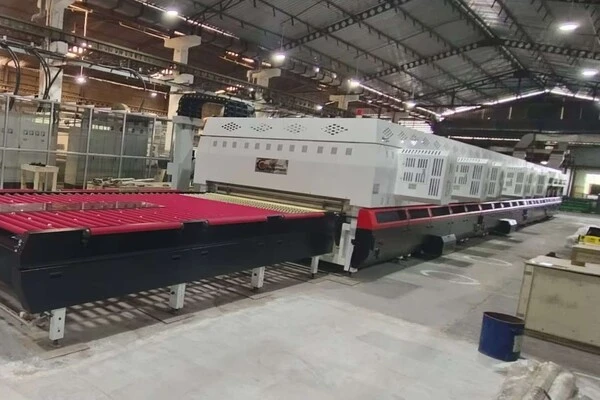
The Easttec double chamber furnace has a separate chamber for pre-heating and a separate chamber for high-heating. This lets two batches go through the line at the same time. While one batch gets to the right temperature for tempering, the next batch warms up behind it. An industrial PC (IPC) manages the timing between the two rooms and the part that cools the metal. The heating zones don't have to wait for each load to finish because of this constant flow. The two-step method also makes the glass warmer more slowly. Energy comes in as electricity, moves through the glass through radiation and forced convection, and leaves through doors, walls, and exhaust air.
Where the Kilowatt-Hours Go?
There are four main places where power is used in a tempering line: heating elements, convection blowers, quench fans, and conveyors with extra parts. You can start with a simple physics check. For every mm of thickness, soda-lime glass weighs about 2.5 kg per square meter. This means that 6 mm glass weighs about 15 kg per square meter. With a specific heat of about 0.84 kJ/kg·K, it should take about 2.2 kWh per square meter to heat that glass from 20°C to 640°C. Real stoves use more because of wall losses, door gaps, and time when they are not in use. The number you want to shrink is the difference between what you think happened and what your meter reads.
Variables That Change Your Numbers
Two lines may show different kWh numbers because the test settings are different. The most important thing is the width of the glass. Thick glass holds more heat and needs a longer run. It's also important to look at how dense the loads are. For example, a conveyor belt full of glass uses less energy than one with few loads. Layered or colored glass can heat up differently than clear glass. The temperature, the amount of time the glass is not being used, and the source voltage can also change the effects. Because Easttec furnaces can work with glass from 4 mm to 19 mm thick, I ask buyers what kind of glass they actually have before I talk about energy numbers. Every test should have the same width, size, loading pattern, and recipe written down, and it should be done in the same way on every machine.
Key Metrics and Methods to Compare Energy Consumption
To make the comparison fair, you need to know what the variables are.
Core Metrics: kWh per Square Meter, kWh per Ton, and SEC
Specific energy consumption (SEC) is the amount of energy that is used minus the amount of energy that is put in. For glass, I suggest two kinds. kWh per square meter is a good number for a single thickness. For mixed production, kilowatt-hours per ton works better because weight already shows thickness. One ton of 6 mm glass covers about 67 square meters, so you can switch between the two. Never divide by total output; instead, divide by good output. This is because rejected glass wastes energy and doesn't make anything. Do not forget to add the high usage in kilowatts to your sheet. There are a lot of U.S. utilities that charge industrial customers for both usage and demand charges. The U.S. Energy Information Administration also puts out price information for electricity by sector and state.
A Step-by-Step Metering Method
First, install sub-meters on the conveyors, convection blowers, quench fans, and heating circuit of an Energy-Saving Two-Chamber Processing Line. Second, use the same recipe and glass size on all lines for full shifts, including breaks to warm up and wait. For each batch, write down the number of kilowatt-hours used, the good result, and the mistakes. Fourth, do the test three times in a row to see the spread. When you're done, compare the results. This method is similar to the baseline idea in ISO 50001, which tells businesses to compare how much energy they use to a certain time period. When you do commissioning, write down a baseline. This gives your maintenance team a number to protect later.
Single-Chamber vs. Two-Chamber Lines
The output of a single-chamber furnace is limited because it can only heat one load at a time. By cutting down on the burning cycle, the Easttec double-chamber furnace can hold 1.8 to 2 times as much as a normal single-chamber furnace. When fixed losses like wall heat and idle power are spread out over more square meters of glass, the energy per square meter generally goes down. Do not compare the two machines at the same running hours, but at the same output. Check the quality too. The standards for fully tempered flat glass are set by ASTM C1048. A low kWh number doesn't mean much if the glass fails quality checks. The fair measure is energy per good, compliant square meter.
Advantages of Energy-Saving Two-Chamber Processing Lines for B2B Clients
Low energy numbers are only important if they lead to business benefits. This is what I see for people who buy from businesses.
Lower Operating Costs and Faster Payback
Easttec's improved insulation cuts thermal energy loss by 20%, and our design saves energy, which means users use one-third less electricity. The smart power management system also splits the electricity between the two rooms, which lowers the cost of running the business per square meter. Divide the extra cost of buying something by the amount of money you'll save on energy each year plus the profit from making more things. For the energy rate, look at your own utility bill. Prices and demand charges vary by utility and state. The output gain and energy savings from the double chamber design make the payback case stronger. This is because the double chamber design has 1.8 to 2 times the capacity of a standard single-chamber furnace.
Stable Heating and Fewer Defects
Easttec's matrix heating technology always works well and produces good optical quality. A high-temperature fan moves hot air around in our true forced convection system. The convection parts are made of clay and can withstand temperatures of up to 1300°C. This saves energy that isn't needed and heats the glass faster. Compared to quickly heating in one step, the two-step process raises temperature more slowly, which reduces thermal shock and stress and makes the surface flatter. Less waste also means less energy use, since each rejected sheet already used some kilowatt-hours. I look at both yield and kWh per square meter when I look at a plant's numbers.
Capacity, Flexibility, and Environmental Benefits
The same furnace can handle industrial and architectural glass from 4 mm to 19 mm thick. It can work quickly with 4–6 mm architectural lites. With that range, a plant can use one machine to make more than one type of product. When you use less energy, you also cut indirect emissions, though the amount you cut relies on your power grid. If your business has to report on its energy use as part of ISO 50001 or a customer sustainability program, kWh per square meter is a good number to use. The furnace was made according to CE safety rules, which makes it safe to use in high-power, long-shift production.
How to Select and Procure an Energy-Saving Two-Chamber Processing Line?
A good comparison sheet is only useful when you use it to choose a supplier.
Questions to Ask Every Supplier
Ask each supplier of an Energy-Saving Two-Chamber Processing Line to give you the exact number of kilowatt-hours per square meter based on the thickness, load density, and recipe you give them. Find out how the furnace heats up, how the insulation is made, how power is shared between rooms, and what the control system keeps track of. Many buyers spend three to twelve months looking at this kind of equipment, so ask for a test run that someone else watches or a visit to the plant. You are welcome to come to our plant, and we can show your experts around our tools. Your general manager, process engineer, and buying team will all be able to see the same information if you put all the replies in one table.
Pricing, Lead Time, and Total Cost of Ownership
The budget only has one line for the purchase price. Add a few years of power, repairs, training for operators, downtime, and glass that doesn't work. Because each furnace is made to order, delivery takes between 60 and 120 business days. Plan your installation date around that time frame. Our method starts with a preliminary question and project design. It then moves on to optimal design, agreement, production, installation, commissioning, teaching operators, and service after the sale. Talk to your lender early on if you plan to get a loan for the purchase. A clear specification and written quote will speed up their review. If the heater uses more power per square meter, the lower price almost never wins.
Power Supply, Software, and Compliance for U.S. Plants
We set up the power system to meet global industrial voltage and frequency standards, such as 220V, 380V, and 415V at 50/60Hz. We can also make the setup fit your site. Let us know about your plant's supplies early so that our engineers can match them. The furnace is made to meet CE standards, and your installer should check with your local NFPA 70 or electrical code and inspection requirements. The operating menu works with English, Spanish, and other languages, which is helpful for crews that speak more than one language. Within a week, new operators can learn how to run and fix things, and our technicians are available online 24 hours a day.
Maintenance and Operational Tips for Sustained Energy Efficiency
It's not enough to just buy an energy-efficient furnace; you also need to keep it that way.
Routine Checks That Prevent Energy Loss
Plan ahead and follow the directions in the equipment's guidebook. Check the room doors and seals for leaks, and use an infrared thermometer to look over the outside panels for hot spots that mean the insulation is damaged. Because a drifting sensor can cause the furnace to overheat or run longer than it needs to, check the heating elements and make sure the thermocouples read correctly. To keep fans from working against the restriction, clean the quench nozzles and air paths. Keep a record of each check next to your kWh per square meter record. This way, you can connect any change in energy use to a repair event. The heater is made to be easy to maintain, so these jobs don't take long.
Spotting Efficiency Loss Early
Keep an eye out for four red flags: more rejected glass, longer heating times, uneven heating, and rising kWh per square meter with the same recipe. Check each reading against the starting point you recorded when the system was first set up. Damaged insulation, old heating elements, sensor drift, and leaky seals are some of the most common reasons. Check the cheapest things first: compare sensor readings, measure element current, and look over the doors and seals. If the problem is still not clear, please get in touch with our techs. They are available online 24 hours a day. It's important to respond quickly because lost work hours often cost more than the extra power.
Using Data and Training to Hold the Savings
It is up to the IPC to handle complicated production recipes. Keep a tried-and-true recipe for each thickness of glass and tell the operators to use it. That keeps the time for heating from getting longer out of habit. Use your submeter numbers to make a simple spreadsheet that tracks energy use by batch. Go over this spreadsheet once a month with your production and repair managers. Savings are also kept safe by training. Our multilingual menu and custom software make it easy for crews to run different thicknesses, and it only takes new operators a week to get the hang of things. During installation and testing, we also train operators. For steady habits, remember the numbers you found on the first day.
Conclusion
Fair testing is the only way to compare how much energy two-chamber glass lines use. Use sub-meters to make sure that all of the machines in an Energy-Saving Two-Chamber Processing Line are the same thickness, size, load, and recipe. Then, divide the number of kilowatt-hours by the good output to get the energy per square meter or per ton. To see the full cost, add up the costs of peak demand, idle losses, and rejects. A two-chamber design can handle two batches at the same time, and the Easttec double chamber furnace can hold 1.8 to 2 times as much as a single-chamber furnace. Its insulation cuts heat loss by 20%, and its matrix heating with forced convection keeps the quality steady while using less energy per piece. When choosing a supplier, you should look at recorded data, total cost of ownership, power connection, and service. The measured savings stay in place over time thanks to regular checks, a baseline for commissioning, and trained workers.
FAQ
How much energy does an Energy-Saving Two-Chamber Processing Line save?
How much you save depends on the type of glass you use, how dense your load is, and what kind of kiln you have now. Easttec's insulation cuts thermal energy loss by 20%, and our design saves energy, which means users use one-third less power. To be sure of the number for your plant, I suggest that you do a measured analysis on your own recipes.
Which glass thicknesses can the furnace process?
The Easttec double chamber furnace can work with industrial and architectural glass from 4 mm to 19 mm thick. It can work quickly with 4–6 mm architectural lites.
Does the furnace meet safety certification needs?
It is made to meet CE norms. U.S. plants should also check with their installer about the local electrical code and inspection rules. Charge and frequency can be changed to fit your site.
How long does delivery take?
Because every furnace is made to order, delivery takes between 60 and 120 working days, depending on the model. Our engineers also do installation, commissioning, operator training, and support online 24 hours a day, 7 days a week.
Request an Energy Comparison for Your Glass Line
Are you ready to compare your own glass's energy consumption? EASTTEC EQUIPMENT makes Energy-Saving Two-Chamber Processing Lines with true forced convection technology, builds that are CE-compliant, voltage and frequency that can be changed, and online technical support that is available 24 hours a day, 7 days a week. Please send your glass sizes, thicknesses, and daily output to sales@easttecmachine.com. Our engineers will then put together a configuration and quote for you. You can find out more at easttecglass.com.
References
1. ASTM International, Standard Specification for Heat-Strengthened and Fully Tempered Flat Glass (ASTM C1048), 2018
2. International Organization for Standardization, ISO 50001: Energy Management Systems – Requirements with Guidance for Use, 2018
3. U.S. Department of Energy, Energy and Environmental Profile of the U.S. Glass Industry, 2002
4. U.S. Energy Information Administration, Electric Power Monthly, 2024
5. Society of Glass Technology, Fundamentals of Inorganic Glasses (A. K. Varshneya), 2006
6. American National Standards Institute, ANSI Z97.1: Safety Glazing Materials Used in Buildings, 2015

USER EVALUATE
Here is the customer's evaluation of us