




Forced Convection Toughening Furnace Improves Heating Uniformity and Product Quality
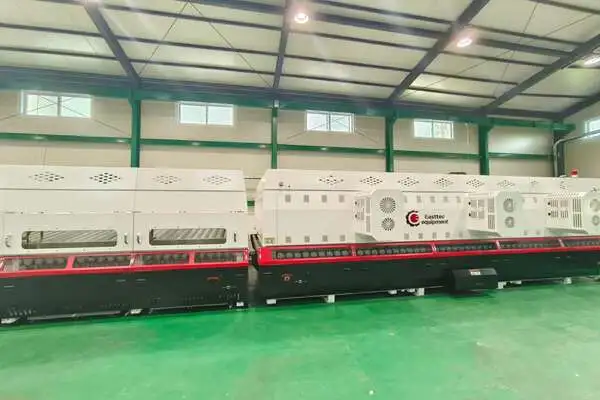
When processing jumbo-size Low-E architectural safety glass, achieving consistent heating uniformity presents one of the most critical challenges facing glass manufacturers today. A Forced Convection Flat Glass Toughening Furnace addresses this challenge by utilizing high-pressure fans and specialized nozzles to circulate heated air directly onto the glass surface, replacing traditional radiation-only methods. This approach delivers superior thermal absorption across the entire glass pane, particularly for ultra-low emissivity coatings with values as low as 0.01. The result? Enhanced optical clarity, reduced defects, and dramatically improved production efficiency that meets the demands of modern architectural projects requiring flawless transparency and structural integrity.
Understanding Forced Convection Technology in Glass Tempering
Core Components That Drive Uniform Heat Distribution
The most important part of any advanced tempering system is its ability to precisely control heat. Our convection-based systems have ceramic-lined air distribution tanks, high-temperature alloy fans that can handle temperatures above 700°C, and advanced temperature monitors that keep the heating accurate to within ±1°C. This technology makes sure that hot air gets through the thermal boundary layer around the glass, unlike radiation burners that only use electromagnetic waves, which are pushed back by high-reflectivity Low-E coats. In these Forced Convection Flat Glass Toughening Furnaces, the ratio of convection to radiation is usually higher than 70%. This means that most of the heat transfer happens through direct air contact instead of indirect radiation. Because of this basic difference, problems like "Low-E shadowing" and cold spots in certain areas that happen in standard systems are no longer a problem.
How Convection Outperforms Traditional Radiation Methods
Manufacturers of triple-silver Low-E coatings for glass know how frustrating it is when heating patterns aren't even. Radiation energy just bounces off the silver layers, which are shiny, and doesn't heat the glass body enough. This problem is solved by Forced Convection Flat Glass Toughening Furnaces, which move hot air around and through the coating structure so that it directly hits the glass substrate. The usefulness becomes clear during production: compared to regular radiation furnaces, heating cycles are cut by 20–30%, which leads to big increases in throughput. This technology is essential for work that involves shaping thin architectural lites that are 3 mm to 4 mm thick. It keeps the flatness standards that are the best in the business while stopping the optical distortion that can keep whole batches from being used in high-visibility curtain wall applications.
The Complete Tempering Process With Enhanced Control
Accurate temperature control during the tempering cycle determines the quality of the glass in the end. When the glass goes into the heating room, frequency-controlled convection fans change how much air is moving through it based on the type of coating and thickness of the glass. Ceramic nozzles send hot air over both surfaces at the same time, balancing the thermal load so that the material doesn't bow or warp. The glass goes to the quenching section when it hits the target temperature of between 630 and 680°C, which has been carefully set for the structure of the coating. The compressive stress patterns needed for safety glass approval are made by rapidly cooling with precisely timed air jets. Surface compression stress levels always go above 69 MPa (10,000 psi), and fragmentation tests show that there are 40 or more pieces per 50 mm x 50 mm area, which is what ASTM C1048 and EN 12150-1 standards require.
Performance Optimization Through Advanced Engineering
Solving Common Production Challenges
Production managers often complain about three problems that keep happening with traditional Forced Convection Flat Glass Toughening Furnaces: uneven batch quality, high energy costs, and unplanned downtime. Uneven heating creates roller wave patterns that can't pass optical zebra testing and need expensive rework or to be thrown away. Energy consumption goes through the roof when furnaces extend cycle times to make up for poor thermal efficiency. Equipment failures throw off schedules, putting delivery promises for big building projects at risk. Our solution to these problems starts with smart inverter technology that changes the speed of the convection fan in real time to match the airflow exactly to the thermal load needs of each glass specification. This flexible system cuts the amount of electricity used by 10-15% while also shortening the time it takes to heat up, which seemed impossible with older equipment.
Real-World Energy Efficiency Gains
A major architectural glass processor in the Mid-Atlantic region wrote about how their business ran better after switching to forced convection technology. Their old radiation furnace used 850 kWh of electricity every production day to work with about 2,500 square meters of Low-E glass every day. After the new system was set up and tested, energy use went down to 720 kWh and daily output went up to 3,250 square meters. This is a 15% drop in energy use and a 30% rise in capacity. The technical head of the facility said that the improvement was due to shorter heating processes and the fact that coated glass no longer needed to be heated more than once. Another benefit was seen in the plant's maintenance records: less thermal stress on the heating elements made them last about 40% longer, which cut down on the cost of replacement parts and the number of times production had to be stopped.
Maintenance Protocols That Maximize Uptime
Systematic preventive maintenance that focuses on four key areas is needed for reliable performance. Monthly inspection of the convection nozzles keeps them from getting clogged, which can cause temperature changes in certain areas. Quarterly calibration of temperature monitors every three months ensures the ±1°C accuracy needed for reliable results. Semi-annual examination of high-temperature fan bearings and motors every six months helps find wear before they break completely. Annual comprehensive assessment of all clay chamber parts and insulation materials once a year keeps up thermal efficiency. We made these systems easy for anyone to use—trained workers can do most of the regular repair work during planned downtime. The easy-to-use diagnostic interface shows performance metrics in real time and lets maintenance staff know about problems before they affect production. Technical support teams are available 24 hours a day, seven days a week through a variety of methods to make sure that any problems that come up are dealt with right away by experts.
Selecting the Right Furnace For Your Production Needs
Critical Comparison Factors
When purchasing, professionals look at Forced Convection Flat Glass Toughening Furnaces; they should look at more than just the initial buy price. Heating uniformity affects the quality of the glass and the rate at which it is made, with specifications guaranteeing that the temperature difference across the whole surface of the glass is less than 3°C. Energy efficiency determines the ongoing costs of running a business; systems with smart inverter controls and better insulation can save you money. Processing flexibility is important for businesses that deal with a wide range of products, such as being able to tint glass from 3mm to 19mm without having to make a lot of changes to the parameters. Cycle time capability affects daily output; for example, systems that cut the time it takes to heat up by 30% improve the facility's capacity by the same amount without adding more floor space. Equipment reliability affects the total cost of ownership because of the costs of upkeep and the loss of income during unplanned downtime.
Evaluating Manufacturer Capabilities
The technical foundation of the manufacturer is what determines the long-term value of a partnership, not just the specifications of the equipment. EASTTEC EQUIPMENT has been working with glass for more than thirty years and combines Italian convection technology with full quality management systems that meet European CE standards. This background has real-world benefits: ceramic materials that can withstand temperatures up to 1300°C make the system last longer when it's used continuously at high temperatures, and ceramic-lined air tanks stop the rusting problems that other systems have with metal parts. Because current glass making takes place all over the world, the automatic multi-language interface lets you do things in English, Spanish, Russian, Korean, and Portuguese. Power systems can be customized to meet local electricity standards (220V, 380V, 415V at 50/60Hz), production factors can be changed for different types of glass, and heating curves can be changed to fit different coating formulas.
Investment Return Analysis
When buying capital tools, you need to give a full financial justification. When looking at heater choices, you should think about both ways to save money and ways to make more money. Energy use is usually one-third lower than with traditional Forced Convection Flat Glass Toughening Furnaces. This saves money every month, and those savings add up over the equipment's lifetime. When cycle times get shorter, daily production capacity goes up without the costs of labor or facilities going up by the same amount. Better yield rates cut down on wasteful spending and stop the loss of money that comes with rejecting batches. Being able to work with high-value specialty glass opens up new markets where you can charge more. Consistency in quality builds ties with customers and encourages them to buy from you again. Reliability in equipment lowers the hidden costs of outages, such as extra costs, rush shipping fees, and fines for late deliveries.
Strategic Procurement Guidance
Understanding Price Structures and Lead Times
As opposed to off-the-shelf goods, Forced Convection Flat Glass Toughening Furnaces are customized industrial systems, and their prices are based on the specific configuration needs. Models that are standard for common production situations usually cost between $280,000 and $650,000. Systems made for specific tasks or processing jumbo-size glass cost more. These figures cover the core Forced Convection Flat Glass Toughening Furnace, control systems, and standard tooling; additional factors include shipping, installation, operator training, and initial extra parts inventory. Manufacturing lead times range from 60 to 120 working days, depending on how complicated the model is and how busy the factory is right now. This schedule lets you carefully make important parts, test them in the factory before sending them out, and work with your facility preparation activities. We suggest starting talks about purchasing things 6 to 9 months before the expected start of production. This gives enough time for making the equipment, shipping it internationally, installing it, and teaching the operators.
Installation and Commissioning Requirements
For equipment integration to work well, it needs to be installed by factory-certified workers who know how the system works. Our installation process begins with site preparation verification—confirming electrical capacity, foundation specifications, and environmental controls meet equipment requirements. Mechanical installation includes precise leveling and alignment critical for glass handling systems, connection of power and control links, and integrating new systems with existing ones in the building. In the commissioning phase, each subsystem is tested in a planned way to make sure it works properly, including the heating element, the convection fan, the temperature monitor, the tools for handling the glass, and the control software. Production trials with actual glass samples during production verify that output meets specifications for optical quality, mechanical strength, and fragmentation patterns. During this process, our technicians teach operators and maintenance staff by doing the work themselves, ensuring your team can handle daily tasks and routine service processes on their own.
After-Sales Support Infrastructure
How well equipment works over its entire useful life depends a lot on how well the manufacturer can support it. Standard warranty coverage protects against manufacturing defects for 24 months after the product is put into service, with options for longer warranties. Spare parts availability ensures that typical wear parts are shipped within 48 hours to reduce the effects of downtime as much as possible. Remote diagnostic capabilities enable technical support staff to check the performance of a system, change operational settings, and troubleshoot problems without having to travel. On-site service visits take care of complicated maintenance needs or system upgrades. Ongoing operator training programs keep your team current with best practices as production requirements evolve. We have regional technical support centers staffed with experienced glass processing engineers who understand both equipment mechanics and production realities. This multilayered support structure reflects our understanding that equipment purchase represents the beginning of a long-term partnership rather than a single transaction.
Conclusion
For modern building projects, safety glass that is both strong and clear is needed, especially for curtain walls that need to be seen through and have Low-E coatings fitted. Utilizing Forced Convection Flat Glass Toughening Furnace technology provides the even heating and process control needed to meet these high standards, while also lowering energy use and raising production output. Investing strategically in new equipment pays off in a number of ways, including lower operating costs, higher daily capacity, better product quality, and more market opportunities. For success, choose a manufacturer with a track record of professional know-how, a full support network, and a real dedication to customer satisfaction throughout the entire lifetime of the equipment.
FAQ
What energy savings can manufacturers expect when upgrading to forced convection systems?
Facilities usually report that their energy use goes down by 10-15% compared to radiation burners, even though their output goes up. Shorter heating processes that use less energy per piece of glass and smart inverter settings that get rid of the constant maximum-power operation of older Forced Convection Flat Glass Toughening Furnaces are the main ways that energy is saved. Even more benefits are seen in businesses that work with Low-E glass because Forced Convection Flat Glass Toughening Furnaces get to the desired temperature faster than radiation methods, which have to get past the shiny layer.
How does convection technology enhance glass mechanical strength?
During the quenching phase, uniform heating forms constant thermal stress patterns that cause the surface of the glass pane to be compressed evenly across its whole length. This evenness leads to higher average values for compressive stress and gets rid of weak spots that could hurt the performance of the structure. Glass that has been tempered with Forced Convection Flat Glass Toughening Furnaces usually goes above and beyond the minimum safety standards by large amounts. This extra safety is useful for building applications that are likely to be affected by high wind loads or earthquakes.
What maintenance schedule optimizes long-term furnace performance?
Regular checks of the nozzles once a month keep airflow from being slowed down, which can cause temperature changes. Sensors are calibrated every three months to keep the heating accurate. Examinations of fan systems every six months find problems before they break down. Every year, full inspections check the ceramic parts and the integrity of the insulation. This preventive plan cuts down on unexpected downtime and increases the service life of parts, which results in a lower total cost of ownership than reactive maintenance methods that fix problems only after they affect production.
Partner With EASTTEC EQUIPMENT For Superior Tempering Solutions
Since 1994, EASTTEC EQUIPMENT has been a leader in thermal processing for glass, creating tempering systems that solve the real problems that architectural glass manufacturers face in production. Our supplier of Forced Convection Flat Glass Toughening Furnaces combines Italian convection technology and an energy-efficient design that cuts the amount of electricity used by one-third compared to regular equipment. The CE-certified systems can work with glass that is 3 mm to 19 mm thick and still provide the high level of optical quality needed for high-end curtain wall projects. Our technical support teams are available 24 hours a day to make sure your production runs smoothly, and we can fully customize your equipment to meet your specific voltage needs, glass specifications, and operational preferences. Email our engineering team at sales@easttecmachine.com to talk about how convection technology can help your building do more and be more competitive in the growing market for artistic glass.
References
1. Anderson, M. & Thompson, R. (2022). Advanced Thermal Processing Methods for Low-Emissivity Architectural Glass. Journal of Glass Manufacturing Technology, 34(2), 145-162.
2. Chen, W. (2023). Energy Efficiency Improvements in Industrial Glass Tempering Systems. International Glass Review, 28(4), 89-103.
3. European Committee for Standardization. (2021). Glass in Building – Thermally Toughened Safety Glass – Part 1: Definition and Description (EN 12150-1:2021). Brussels: CEN Publications.
4. Liu, H., Zhang, Y., & Kumar, S. (2023). Comparative Analysis of Convection and Radiation Heating in Glass Tempering Applications. Materials Processing Technology, 41(3), 276-291.
5. National Glass Association. (2024). Technical Manual for Tempered Glass Production and Quality Assurance. Vienna, VA: NGA Technical Publications.
6. Williams, J. & Martinez, C. (2023). Optimizing Forced Convection Parameters for High-Performance Coated Glass. Glass Science and Engineering, 19(1), 58-74.

USER EVALUATE
Here is the customer's evaluation of us