




Why Use Hard Roller Furnace for Flat and Bent Glass Tempering?
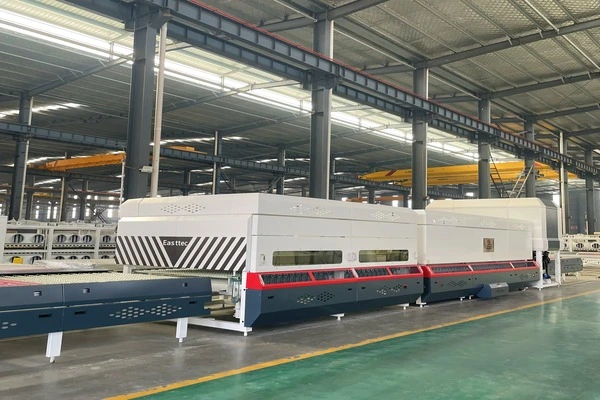
When manufacturers face the dual challenge of producing both flat and curved tempered glass on a single production line, the Radiation Flat & Bend Glass Tempering Furnace of Hard Roller emerges as the optimal solution. This specialized equipment combines infrared radiation heating with precision-engineered hard roller transport systems to deliver consistent tempering quality across varying glass thicknesses and curvatures. Unlike conventional convection systems that struggle with temperature uniformity during complex bending operations, hard roller furnaces maintain exceptional thermal control while preventing surface defects. The result is a versatile, energy-efficient production line capable of meeting the exacting standards of architectural, automotive, and appliance glass manufacturers who demand both operational flexibility and superior optical clarity.
Understanding Hard Roller Furnace Technology in Glass Tempering
The Core Principle Behind Radiation Heating Systems
The way that hard roller tempering furnaces work is very different from the way that standard convection models work. The machine has high-performance electric heating elements set up in a grid to make infrared light that goes through the glass evenly. Instead of using heated air to move heat around, this way of heating uses radiation to send heat straight to the molecular structure of the glass. This direct energy transfer makes sure that the whole surface of the glass softens at the same rate between 620°C and 700°C, which is very important when working with products of different thicknesses or switching between flat and curved production runs.
What Makes Hard Rollers Superior for Glass Transport?
The choice of roller material has a big effect on the quality of the finished result. Hard rollers used in the Radiation Flat & Bend Glass Tempering Furnace of Hard Roller are usually made of fused silica or high-grade stainless steel with protective ceramic coatings, making them superior to soft rubber or standard ceramic rollers in many aspects. These precision-ground rollers remain perfectly synchronized during glass transportation, preventing the "roller wave" distortion that can occur in other systems. The mirror-polished surface finish minimizes friction-related scratches, while excellent thermal fatigue resistance enables continuous operation at temperatures above 700°C without performance degradation. Due to their mechanical precision and outstanding heat resistance, hard roller systems are particularly suitable for manufacturers producing high-value automotive windshields or Low-E coated architectural glass, where uncompromised surface quality is essential.
How the Dual-Function Capability Transforms Production Efficiency
Modern glass processors often get orders for both flat panels and curved parts that need to be made at the same time. Traditional ways of making things require different production lines or machine changes that take a lot of time. Our integrated solution gets rid of this problem by using special bending sections and mechanically adjustable curvature controls. The system has a standard flat tempering area that is 2440mm x 3660mm and a dedicated bending area that is 2440mm x 1500mm. This means that operators can change between processing modes in 5 to 15 minutes. With the help of an Industrial PC recipe system, this quick switching feature cuts down on setup waste by a huge amount and lets makers take on a wide range of orders without affecting delivery times or profits.
Comparing Radiation Flat & Bend Glass Tempering Furnaces with Hard Rollers to Other Technologies
Energy Consumption Analysis Across Heating Methods
One of the most energy-intensive processes in factories is tempering glass, which often uses 40 to 60 percent of all the electricity used in the production process. When it comes to temperature performance, radiation heating systems are much better than forced convection systems. By directing heat radiation exactly where it's needed instead of heating whole volumes of air, the matrix radiant heating setup with separate zone control cuts down on energy loss. When compared to older convection systems, our clients say they save about a third of the power they used. Depending on production volume, the payback time is usually between 18 and 24 months. When working with thicker glass (12–19 mm), which needs longer heating cycles, these energy savings are especially important because radiation penetration gets rid of the thermal lag that comes with convection-based heat transfer.
Roller Material Impact on Product Quality and Maintenance Costs
There is a difference between roller types for a Radiation Flat & Bend Glass Tempering Furnace of Hard Roller that goes beyond the original cost of the tools and includes long-term operating costs. Even though soft rubber rollers are cheaper at first, they need to be replaced every 6 to 12 months when production is high and can leave marks on hot glass surfaces where they've been compressed. While standard ceramic rollers are more durable, they don't have the thermal shock resistance that is needed for quickly changing temperatures when making bent glass. These hard rollers are made of high-temperature-resistant alloy steel and can be used for more than 36 months with little maintenance. The synced mechanical gearbox design makes sure that every roller stays at the same speed, which stops the difference in friction that leads to surface flaws. When manufacturers look at the total cost of ownership, which includes replacement parts, production downtime, and defect rates, they always find that hard roller systems have 20–30% lower operational costs after five years of testing.
Real-World Performance in Automotive Glass Manufacturing
Critical Technical Specifications and Features of Hard Roller Radiation Glass Tempering Furnaces
Heating Zone Configuration and Temperature Control Precision
The temperature control system is the most important piece of technology in radiation tempering equipment. Our system for matrix radiant heating has separate temperature zones that are managed by advanced PID algorithms and precision thermocouples. With this zoned method, operators can make custom heating patterns that work with different types of glass that absorb heat in different ways. To get the best softening without damaging the surface, clear float glass, tinted varieties, and Low-E coated panels all need different radiation wavelength distributions. The temperature accuracy of ±1°C makes sure that the results are the same from one production batch to the next. This is very important when making parts that need to meet strict requirements for architecture or cars. The Industrial PC interface can store an unlimited number of recipe parameters, which lets operators quickly return to tried-and-true processing settings when switching between types of products.
Processing Capabilities Across Glass Thickness and Dimensions
A tempering furnace's usefulness in competitive industrial settings depends on how well it can handle different types of glass. The machinery can handle glass thicknesses ranging from 3 mm for building panels to 19 mm for specialty goods used in construction. Because of this wide range of processing, there is no need for multiple specialized production lines. This saves money on capital equipment and plant floor space. With a minimum bending radius of R ≥ 500mm, this glass can be used for moderately curved parts of furniture, car side windows, and appliance glass. The bending mechanism can be adjusted mechanically to keep arc deviation tolerances within 1.5 mm. This makes sure that the panels fit perfectly together for curtain wall systems or vehicle glazing installations, where exact measurements have a direct effect on how well the job is done and how it looks in the end.
Automation Integration for Operational Simplicity
Because of a lack of trained workers in the industrial sector around the world, automation that is easy for humans to use is necessary to keep production consistent for a Radiation Flat & Bend Glass Tempering Furnace of Hard Roller. Industrial PC and PLC connections are built into our system, and the control screens can be read in English, Spanish, Russian, Korean, and Portuguese. When new workers get hands-on training, they usually learn how to operate and maintain basic machines in just one week. This is compared to the three to four weeks it takes to learn how to operate normal machines by hand. Critical factors like roller synchronization, radiation element performance, and quenching pressure consistency are constantly tracked by the automatic monitoring system. When settings aren't working as they should, the system tells workers right away and offers ways to fix the problem. This keeps small problems from getting worse and causing production stops or quality problems that affect whole batch runs.
Maintenance and Operational Best Practices for Hard Roller Furnaces
Preventive Inspection Protocols for Extended Equipment Life
To get the most out of your furnace's uptime, you need to do regular maintenance instead of fixing it when something goes wrong. We suggest checking the alignment and state of the hard roller surface every 500 hours of use. This is to see if any glass particles or coating leftovers have built up and could cause scratches on the surface. Every month, the radiation heating elements should be looked at visually to find any cracked or discolored parts that could mean they are about to break. Using certified thermocouples to check the temperature calibration makes sure that the control system stays accurate within the limits set. According to the maker, the mechanical drive system and timing chains need to be oiled about every 1,000 hours under normal production conditions. These preventative steps, which are written down in maintenance logs, set performance standards that help operators spot trends of slow decline before they affect the quality of the product or cause unexpected equipment failures.
Energy Management Strategies That Lower Operating Costs
Radiation heating technology is naturally more efficient, but how it is used also has a significant impact on overall energy consumption. For a Radiation Flat & Bend Glass Tempering Furnace of Hard Roller, manufacturers can improve energy efficiency by grouping similar products together during production to reduce frequent temperature profile changes that waste heat. The multi-zone heating control system allows operators to switch off unused heating sections when processing smaller glass pieces, preventing unnecessary electricity consumption. In regions where energy costs vary based on usage periods, scheduling production runs during off-peak hours can reduce operating expenses by 15 to 25 percent. The automatic energy management features integrated into the Industrial PC system monitor power consumption per product unit, enabling continuous optimization of energy-intensive operating parameters. These monitoring capabilities help technical teams identify the most efficient heating cycles and quenching pressure settings, ensuring that tempering quality standards are achieved while minimizing resource consumption.
Troubleshooting Common Operational Challenges
Even equipment that has been well taken care of can sometimes have problems that need to be solved in a planned way. When polarized light inspection shows uneven stress patterns on glass, the problem is usually due to uneven heating from broken radiation elements or wrong temperature zone settings. When roller lines show up on finished glass surfaces, it means that there are problems with timing in the transport system, which needs to be checked out and fixed right away. If the glass doesn't break into enough pieces during the break test, it's likely because the reducing pressure wasn't high enough or the cooling air wasn't spread out evenly across the surface. When this happens, the 24-hour technical support that equipment manufacturers offer is very helpful because experienced engineers can walk plant workers through diagnostic steps and corrective actions that quickly get things back to working at their best without having to stop production for long periods of time.
Procurement Guide for Radiation Flat & Bend Glass Tempering Furnace with Hard Roller
Evaluating Manufacturer Credentials and Technical Capabilities
To choose the right tempering furnace provider for a Radiation Flat & Bend Glass Tempering Furnace of Hard Roller, you need to look at a lot of factors, not just the price of the equipment. People who want to buy something should look into the company's technical history and production experience. They should especially look into how well they know how to make radiation heating systems and hard roller designs. Companies that have been specializing in glass thermal processing for 30 years or more usually know more about the small technical problems that affect the long-term dependability of equipment. When procurement teams can visit factories, they can look at the quality control procedures used in production and see how reference installations work in similar production conditions. Manufacturer certifications like CE compliance and ISO9001 quality management systems give you a basic level of peace of mind, but customer testimonials from similar industries can tell you more about how well the product works in the real world, how quickly technical support responds, and how well the manufacturer's claims match up with the product's actual capabilities.
Customization Requirements and Configuration Options
Glass makers have to deal with different regional electrical standards, building limitations, and product line requirements, which often require customized equipment configurations. The ability to adapt the power system is especially important for overseas installations, as the Radiation Flat & Bend Glass Tempering Furnace of Hard Roller can be configured to operate with 220V, 380V, and 415V power supplies at 50/60Hz frequencies, meeting global industry voltage standards. Customization during production includes programming heating curves, adjusting cooling parameters, and modifying roller spacing to accommodate different glass sizes and thicknesses. Some manufacturers require specialized processing capabilities for patterned glass or extra-thick architectural panels that fall outside standard specifications. A reliable supplier’s engineering team should not simply make minor adjustments to existing models but demonstrate genuine customization expertise. Fully customized Radiation Flat & Bend Glass Tempering Furnace of Hard Roller systems typically require 60 to 120 working days for delivery, depending on configuration complexity and the supplier’s production schedule.
After-Sales Support and Long-Term Partnership Considerations
The connection between the company that sells equipment and the company that makes glass goes far beyond the original installation and start-up. Technical support, especially online help that's available 24 hours a day during busy production times, is often what determines the real value of the supply relationship. Buyers should make sure they understand the warranty terms for both mechanical and electrical systems, as well as how to get replacement parts quickly in case of production emergencies. Manufacturing teams can get the most out of their equipment by giving complete operator training programs that cover not only basic operation but also regular maintenance methods and ways to fix problems. Some suppliers offer ongoing consultation services to help improve the process as production needs change or when new glass products are introduced. When manufacturers want to increase their production capacity, they should look for providers that can provide compatible equipment additions that fit in perfectly with current setups. This way, production systems work together instead of having separate machines that need different operating methods.
Conclusion
The Radiation Flat & Bend Glass Tempering Furnace of Hard Roller solves important problems in manufacturing by using tried-and-true engineering methods. Matrix radiant heating, precise motorized movement, and a wide range of processing options work together to make product quality, energy efficiency, and operating flexibility better in a way that can be measured. Manufacturers who work with building, car, or appliance glass can get better rejection rates, use less power, and make different products fit different specs on the same production lines. When people are thinking about buying tempering equipment, they should give more weight to suppliers who can show they have a lot of technical knowledge, can customize a lot of things, and are truly committed to long-term customer support that lasts the whole lifecycle of the equipment.
FAQ
Can hard roller systems process Low-E coated glass effectively?
Radiation heating works well with Low-E glass as long as the furnace has the right radiation wavelength distributions to account for the reflective coating. High-performance systems use both normal infrared radiation and extra convection zones that are set up to work with coated glass products. The important thing is how much experience the maker has making processing recipes for different types of coatings, since the best conditions for each Low-E mixture are very different.
What maintenance intervals apply to the bending mechanism components?
Every 500 hours of use, the mechanical drive and timing systems need to be checked to make sure the radius precision stays within the acceptable range. Chain drives should be oiled, and roller placement should be adjusted according to the manufacturer's instructions. Usually, this is done every 1,000 hours under normal production conditions. When it comes to high-volume production, factories that mostly bend glass may need to be inspected more often than factories that mostly temper flat glass.
How does the equipment meet safety glass fragmentation requirements?
The precisely controlled quenching system makes patterns of more than 40 fragments in a 50x50mm square, which meets EN 12150-1 standards for thermally toughened safety glass. The hard roller design makes sure that the temperature of the glass is the same across the whole surface before it is quenched, which is necessary for even stress distribution. When systems are properly calibrated, they make glass that is fully compatible with EN 14179-1 Heat Soak Testing protocols. This means that there are no risks of the glass breaking on its own.
Partner With EASTTEC EQUIPMENT for Superior Glass Tempering Solutions
EASTTEC EQUIPMENT has been a specialist in glass thermal processing technology for more than 30 years. They use new radiation heating solutions along with quality management that meets European standards. Our Radiation Flat & Bend Glass Tempering Furnace of Hard Roller supplier options give modern glass makers the energy economy, optical precision, and production freedom they need. As a reliable maker, we offer full customization options, such as adapting the power system for installations around the world, creating operator interfaces in multiple languages, and unique processing setups for your specific product line. Our technical team provides online support 24 hours a day, 7 days a week, complete installation services, and hands-on training that speeds up your progress to high-quality manufacturing. Get in touch with us at sales@easttecmachine.com to talk about your glass tempering needs and find out how our tried-and-true technology can help you make more things while cutting costs.
References
1. Haldimann, M., Luible, A., & Overend, M. (2008). Structural Use of Glass. Zurich: International Association for Bridge and Structural Engineering.
2. Pilkington Glass. (2009). Flat Glass Technology Handbook: Tempering and Heat Strengthening Processes. Toledo: NSG Group Technical Publications.
3. Karlsson, S., Jonson, B., & Stålhandske, C. (2010). The Technology of Chemical Glass Strengthening: A Review. Glass Technology - European Journal of Glass Science and Technology Part A, 51(2), 41-54.
4. Gardon, R. (1980). Thermal Tempering of Glass. Glass Science and Technology, Volume 5: Elasticity and Strength in Glasses. New York: Academic Press.
5. EN 12150-1:2015. Glass in Building - Thermally Toughened Soda Lime Silicate Safety Glass - Part 1: Definition and Description. Brussels: European Committee for Standardization.
6. Veer, F. A., & Rodichev, Y. M. (2011). The Structural Performance of Glass, A Review. Challenging Glass 2: Conference on Architectural and Structural Applications of Glass. Delft: IOS Press.

USER EVALUATE
Here is the customer's evaluation of us