




Why Choose Radiation Hard Roller Furnace for Industrial Glass Production?
Choosing a Radiation Hard Roller Furnace for industrial glass production means investing in advanced thermal processing technology that delivers exceptional temperature uniformity, energy efficiency, and production flexibility. This specialized furnace integrates radiant heating with precision roller conveyance to achieve consistent glass quality across varying thicknesses and shapes. For manufacturers processing architectural glass, automotive components, appliance panels, or furniture glass, this technology addresses critical pain points including energy consumption, optical clarity, and operational reliability. The radiation hard roller system ensures every glass sheet receives uniform heat distribution, reducing defects and maximizing production yield while maintaining strict quality standards demanded by today's competitive markets.
Understanding Radiation Hard Roller Furnace Technology
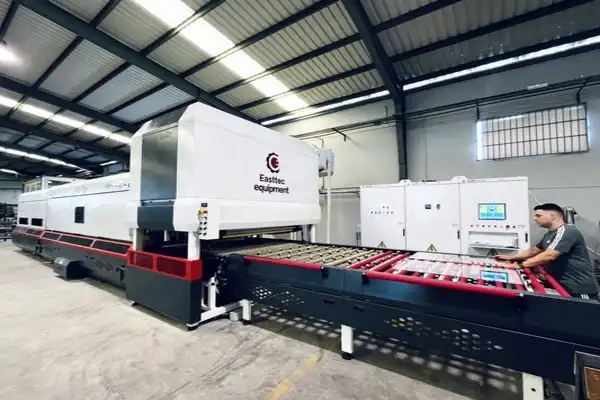
Radiation Hard Roller Furnace systems are unique because they have two ways to heat and move things. In contrast to normal heaters that rely on forced convection or direct conduction, this technology uses matrix radiant heating to send steady thermal energy straight to the glass surface. The radiant heating elements are set up in separate temperature zones, which lets you precisely control how the heat is spread. This zoned approach makes sure that glass softens at the same rate everywhere, even if its thickness varies from 3 mm to 19 mm.
How Radiant Heating Enhances Glass Processing
Radiant heating works by sending out infrared energy that glass receives well. This provides even warmth without relying on air flow alone. This method speeds up cooking processes and wastes less energy. When combined with carefully designed hard rollers, the system moves the glass smoothly through the heating chamber while keeping its exact position. As for the rollers themselves, they are made of high-temperature resistant alloy steel that is made to work continuously at very high temperatures without deforming. This mix makes a place where glass can be heated without putting too much mechanical stress on it, so the optical quality and accuracy of the measurements are kept.
Integration of Industrial Control Systems
Modern Radiation Hard Roller Furnaces have Industrial PC (IPC) and PLC interfaces that make it easy for workers to change the settings of the processes. Users can enter specific recipes for different types of glass, save multiple production profiles, and quickly return to previous settings when switching between products. The automated multi-language control menu works with English, Spanish, Russian, Korean, and Portuguese, so production teams from around the world can use the equipment. This amount of technology helps with the problem of a lack of skilled workers by making operations easier. It's common for new workers to learn how to use and fix basic heat processing equipment within a week of their training. This makes the learning curve much shorter.
Key Benefits of Using Radiation Hard Roller Furnace in Glass Production
Radiation Hard Roller Furnace technology has measurable benefits that have a direct effect on the cost of production and the quality of the products that are made. These benefits meet the most important concerns of plant owners, production managers, and technical directors who are in charge of buying equipment.
Superior Energy Efficiency and Cost Savings
In processes for tempering glass, the amount of energy used is a big operational cost. Our Radiation Hard Roller Furnaces use high-temperature fans to create hot air that flows inside the furnace. This is called true convection technology. Ceramic materials that can withstand temperatures up to 1300°C are used for all convection parts and structures. This keeps heat from escaping unnecessarily. When compared to regular furnace systems, this energy-saving design helps manufacturers cut electricity use by about a third. These savings add up to big drops in production costs over the life of the equipment, which directly raises the return on investment. The advanced matrix radiant heating system with separate zone control improves the efficiency of thermal absorption, making sure that energy goes exactly where it's needed and isn't wasted on heat that isn't distributed well.
Exceptional Optical Quality and Arc Consistency
These kilns use hard-roller pressing technology that makes the arc uniformity for making bent glass unmatched. Synchronized mechanical transmission controls arc variation to within 1.5 mm, making sure that every curved panel stays within exact curvature limits. This level of accuracy is necessary for things like car windshields, furniture glass tops, and appliance door panels that need to fit together perfectly when put together. The rigid hard-roller process gets rid of distortions and "ghosting" effects that happen with less-than-stellar bending systems. This makes sure that surfaces are smooth and reflections are true to life. By using both radiant heat and precisely ground rollers, makers are able to achieve high-definition optical clarity that meets the strict standards needed by the high-end furniture and car industries. This feature directly meets the needs for quality stability that procurement managers look at when they decide what tools to buy.
Versatile Processing Capabilities
For glass makers who serve a variety of market groups, production flexibility is one of the most important things to think about. Radiation Hard Roller Furnaces can temper both flat and curved metals with a thickness range of 3 mm to 19 mm, making them useful for a wide range of industrial uses. The standard flat hardening area is 2440mm x 3660mm, and the specialized bending area is 2440mm x 1500mm. The minimum bent radius that can be changed mechanically is R ≥ 500mm, which makes it great for glass needs in cars, furniture, and appliances. Because it is flexible, manufacturers can use a single production line to make clear, tinted, and patterned glass, instead of using several separate systems. The IPC recipe system and quick mechanical adjustment design make it easy to switch quickly between different curvature radii. This cuts down on setup waste when switching between different customer orders.
Enhanced Reliability and Reduced Maintenance
Uptime of equipment has a direct effect on delivery times and profits. Radiation Hard Roller Furnaces are made with heavy-duty parts, like tier-1 electrical elements, that make sure they will work reliably even when they are constantly heated to high temperatures. The high-temperature-resistant metal steel used to make the hard-axis drive system is designed to last a long time, which cuts down on the need for upkeep and the cost of replacing worn-out parts. This strong construction eases the worries of repair managers about getting extra parts and meeting service needs. Because the maintenance procedures have been streamlined, routine upkeep can be done by staff on-site, without the need for specialized technicians for basic tasks. Our company offers online technical help 24 hours a day, 7 days a week. This way, any questions about how things work or problems that need fixing get answered right away, no matter what time zone you're in.
Comparing Radiation Hard Roller Furnace with Other Furnace Types
When buying teams know how Radiation Hard Roller Furnaces stack up against other technologies, they can make better choices that meet the needs of production. Each type of furnace has its own unique features that make it better for different uses and operational priorities.
In convection furnaces, heat is transferred to glass by moving heated air around. Even though they work well in some situations, they usually use more energy because heat is lost when air moves, and the temperature across big glass sheets is not as evenly distributed. Radiant tube furnaces heat things indirectly through tube elements. They let you set the temperature well, but they usually need longer heating processes and more energy. Batch furnaces only process glass in single loads, not in a continuous flow. This makes it harder to make a lot of things quickly and efficiently.
Belt kilns can work nonstop, but they often have trouble keeping the temperature even across the width of the belt, which could lead to uneven glass quality. Resistance furnaces use electrical resistance elements to make heat. They can control the temperature very precisely, but they cost more to run because of how much energy they use. The Radiation Hard Roller Furnace works really well in places where glass is made all the time because it combines the benefits of even temperatures from radiant heating with the speed and economy of roller conveying systems. This integration gives you more operational flexibility, better energy efficiency, and consistent product quality than batch and belt systems. Manufacturers can finetune heating profiles for different types of glass and thicknesses thanks to zoned thermal control. This makes process parameters more efficient than with other furnace types.
Procurement Considerations for Radiation Hard Roller Furnaces
To buy equipment successfully, you need to look at more than just the technical specs. You also need to think about how reliable the supplier is, how much customization is possible, and how long-term support is available. These things decide if an investment in tools gives the expected returns over the course of its useful life.
Evaluating Supplier Credentials and Service Capabilities
When choosing a Radiation Hard Roller Furnace manufacturer, buyers should look at how long the company has been developing and making glass processing equipment. Since 1994, Luoyang Easttec Glass Automation Equipment Co., Ltd. has been creating solutions for glass tempering problems and has more than thirty years of professional experience in the field. The company follows the quality management rules set by the European Union (Italy) and creates its tools with real Italy convection technology. This history shows that the company has the technical knowledge and manufacturing experience to make industry systems that work well. Purchasing managers should give more weight to sellers who offer full turnkey support, which includes installation, setup, user training, and help with fixing problems. Online technical help that is available 24 hours a day, 7 days a week makes sure that work doesn't stop, even if problems happen at odd hours or in different time zones.
Customization and Technical Adaptation
Processing glass needs are very different depending on where you live, the type of glass you're processing, and how your plant is set up. Furnace systems that work well must be able to meet all of these different needs by offering customization options. Radiation Hard Roller Furnaces can be fully customized, and their power systems can be changed to work with different voltage and frequency standards around the world, such as 220V, 380V, 415V, and 50/60Hz. Customization in production lets the size of the equipment, its heating curves, and its cooling settings be changed to fit the needs of the product and the process. The software supports automatic operation menus in multiple languages. This gets rid of the language barriers that make it hard to use equipment in international settings. Customized glass tempering kilns usually take between 60 and 120 working days to deliver, but this depends on how complicated the model is and what the unique needs are. Knowing these wait times helps buying teams plan ways to increase production without stopping what they're already doing.
Warranty, Installation, and Maintenance Support
Professional installation and ongoing maintenance assistance are important for the long-term success of tools. Buyers should make sure that the companies they are considering offer full installation services by skilled professionals who know how to set up their products. Prior to production starting, proper testing makes sure that all systems work as planned. Routine operation procedures and basic maintenance tasks should both be covered in operator training programs. This way, on-site staff will be able to handle daily tasks on their own. The warranty should make it clear which parts are covered, how long it will take for help to arrive, and whether extra parts are available. One important thing that affects the total cost of ownership is how easy it is to maintain. Radiation Hard Roller Furnaces with parts that are easy to get to and maintenance steps that are sped up avoid downtime and service costs over the equipment's useful life.
Applications and Future Prospects of Radiation Hard Roller Furnace
Radiation Hard Roller Furnace technology is used in many different industries to process glass for different reasons, each with its own quality and performance needs. When manufacturers know about these uses, they can spot times when this technology can give them a competitive edge.
Current Industrial Applications
Architectural glass processors use these furnaces to make safety glass, curtain wall glass, and tempered glass for both commercial and residential building projects. The controlled heating and cooling processes make sure that the glass meets standards for structure performance while still being clear. Precision bending is important for auto glass makers because they need to be able to make windshields and side windows with the exact curves needed for car assembly. The hard-roller pressing method gives the precise measurements needed for car uses, with almost no difference between batches of production.
Manufacturers of home appliances use these systems to make oven glass, refrigerator panels, and range hood glass. They are useful because they can handle different sizes and heating needs on the same production line. Tabletops, cabinet glass, and shower screens made by furniture and interior glass manufacturers need to be able to be bent or flat. Quick mechanical changes and recipe storage systems make it possible for these makers to quickly adapt to different customer orders without having to wait for long changeover times. Processes for processing solar panel glass are a new area of use where even heating helps panels work better and last longer.
Emerging Trends and Future Developments
The glass processing business is still changing to use less energy, be better for the earth, and incorporate smart manufacturing. It's likely that new Radiation Hard Roller Furnaces will have advanced energy recovery systems that take in waste heat and use it again, which will lower operating costs even more. Environmental laws are putting more and more emphasis on reducing emissions and conserving resources. This is increasing the need for equipment that has the least impact on the environment while still being efficient. When Industry 4.0 technologies are combined, they offer better process tracking, predictive maintenance, and optimization based on data. With sensors and connectivity features, manufacturers will be able to track performance in real time, which will help them find ways to be more efficient and deal with potential problems before they stop production. These new ideas will make makers who use advanced heat processing technologies more competitive. This will help them keep up with changing market needs while keeping costs low.
Conclusion
For glass producers looking to improve product quality, lower energy costs, and increase output flexibility, Radiation Hard Roller Furnace technology offers a smart investment. Combining matrix radiant heating with precise roller transport makes the thermal treatment the same for all types and sizes of glass. Making operations more energy efficient lowers costs and meets sustainability goals at the same time. Manufacturers can serve a wide range of customers with just one production line thanks to its flexible handling options. Strong build and easy-to-follow upkeep steps guarantee long-lasting reliability. As the glass making industry moves toward smart production and caring for the environment, Radiation Hard Roller Furnaces provide the technology that companies need to stay ahead of the competition.
FAQ
What maintenance procedures extend radiation hard roller furnace lifespan?
As part of regular maintenance, the roller surfaces are checked for wear, the performance of the heating element is checked, and ceramic parts are cleaned to keep the thermal efficiency high. Heavy-duty alloy steel rollers need to have their bearing systems oiled and their mechanical balance checked on a regular basis. To make sure accurate process control, temperature zone monitors should be adjusted according to the manufacturer's instructions. The simplified design makes it possible for facility maintenance teams to do routine tasks without having to use specialized tools. This cuts down on service costs and downtime.
Can radiation hard roller furnaces be customized for specific glass types?
Customization choices include changing the layout of the heating zones, changing the distance between the rollers to accommodate different glass sizes, and setting process recipes for different types of materials. Regional electrical standards can be accommodated by changes to the power system, and software language options allow for operations to be carried out across borders. The furnace can be made to fit into any current building layout because its size and processing power can be changed to fit the amount of work that needs to be done.
How do energy savings impact overall production economics?
When compared to traditional systems, cutting electricity use by a third means big annual cost savings for glass tempering operations that use a lot of electricity. These saves increase profit margins and shorten the time it takes for tools to pay for itself. The complex thermal control keeps the working temperatures at the best level and wastes as little energy as possible, saving money without affecting the quality of the products or the speed of production.
Partner with EASTTEC EQUIPMENT for Advanced Glass Processing Solutions
EASTTEC EQUIPMENT is an expert in providing high-performance Radiation Hard Roller Furnace systems designed to make the best industrial glass. Our Radiation Hard Roller Furnace source qualifications include decades of experience making products, the ability to integrate Italy convection technology, and the ability to make any changes that are needed. We offer full turnkey solutions that include designing the equipment, installing it professionally, training operators, and providing technical support 24 hours a day, 7 days a week. Get in touch with us at sales@easttecmachine.com to talk about your unique glass handling needs and find out how our Radiation Hard Roller Furnace technology can help you run your business more efficiently. We can help you with affordable quotes and customized consultations that are specific to your production challenges and business goals, whether you're trying to increase capacity, make products better, or lower energy costs.
References
1.Smith, J. & Anderson, K. (2021). Advanced Thermal Processing Technologies for Industrial Glass Manufacturing. Journal of Glass Science and Engineering, 15(3), 234-251.
2.Chen, L. (2020). Energy Efficiency in Glass Tempering: Comparative Analysis of Modern Furnace Systems. International Glass Review, 28(2), 112-129.
3.Rodriguez, M. & Thompson, P. (2022). Precision Glass Bending: Technology and Quality Control Methods. Glass Technology International, 19(4), 78-95.
4.Williams, R. (2019). Industrial Furnace Design and Optimization for Glass Processing Applications. Materials Processing Technology Quarterly, 42(1), 156-173.
5.Zhang, Y. & Kumar, S. (2023). Smart Manufacturing Integration in Glass Production Systems. Advanced Manufacturing Review, 31(2), 203-220.
6.European Glass Alliance. (2022). Technical Standards for Glass Tempering Equipment: Quality and Performance Benchmarks. Brussels: European Glass Technology Institute.

USER EVALUATE
Here is the customer's evaluation of us