




Why Are Convection Hard Roller Systems Preferred for Low-E Glass?
When processors ask why the Convection Hard Roller Flat & Bend Glass Tempering System has become the benchmark solution for Low-E glass, the answer is rooted in physics and production economics. Low-E coatings reflect infrared radiation, which means conventional radiant furnaces struggle to transfer heat evenly through the glass. A forced convection system bypasses this barrier by circulating pressurized hot air directly onto the glass surface, delivering uniform thermal penetration regardless of coating emissivity. Paired with precision hard rollers, the result is consistent tempering quality, protected coatings, and measurable efficiency gains that directly impact your bottom line.
Understanding the Challenges of Tempering Low-E Glass
Low-E coatings are designed to stop heat from moving through finished glazing units. This is exactly what makes them hard to heat. The coating's emissivity is sometimes as low as 0.01, which means it sends radiating heat away from the glass surface instead of letting it soak up. Because conventional radiant tempering furnaces depend on infrared absorption, they need much longer heating cycles to make up for it. This means that the coating is exposed to high temperatures for longer periods of time, which increases the risk of film oxidation.
Why Conventional Rollers Compound the Problem?
Standard ceramic wheels that are used in older furnaces often get rough spots on their surfaces over time. When a coated glass lite is rolled across these rollers at a temperature where it is softening, tiny changes in pressure make roller marks and surface distortion. For Low-E glass, which already needs to be very clear for curtain wall and insulated glass unit uses, even small distortions mean that pieces have to be thrown away, which costs money.
The Energy and Yield Double Penalty
Radiant heaters that use longer heating processes use more electricity per unit of heat they produce. When manufacturers combine high rejection rates from uneven heating with higher energy costs per square meter and lower recoverable output, the cost problem gets worse. Because of this, buying teams in the building glass and automotive glass industries are carefully reviewing the tempering tools they have bought.
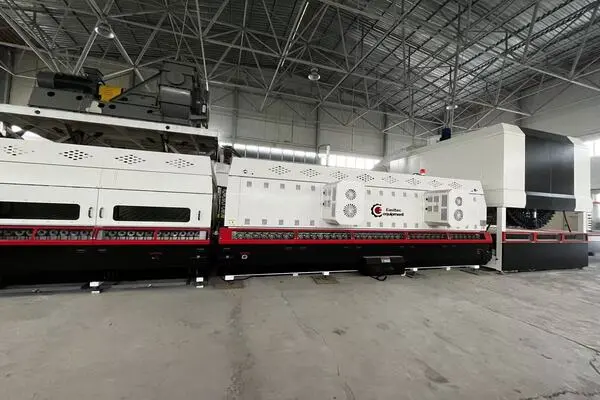
How Convection Hard Roller Tempering Systems Work for Flat & Bend Glass?
The high-pressure top convection fan unit is the most important new part of a forced convection tempering device like the Convection Hard Roller Flat & Bend Glass Tempering System. Variable-frequency drives change the speed of the airflow in real time, spreading the heated air evenly over the whole surface of the glass. This way of moving heat, called convection, is much less affected by covering emissivity than radiation. This means that the glass can reach its exact softening point, which is usually between 620°C and 700°C, in a controlled, repeated way.
The Hard-Roller Bending Mechanism
Easttec's horizontal hard-axis bending method starts once the glass has the right temperature profile. Heat-resistant metal pressing rollers form the glass with measured mechanical force, and the arc deviation is kept to less than 1 mm. This geometric tolerance is good enough for high-end building facades, structural windows, and special device glass. An Industrial PC (IPC) controls the timing of inverter-controlled convection fans and the bending mechanism. This makes sure that every light in a production batch gets the same temperature and mechanical treatment.
Processing Range and Compatibility
The system can work with glass widths ranging from 3 mm to 19 mm, and it can handle both flat and curved shapes on the same production line. Modern automatic adjustment systems make it take about 5 to 15 minutes to switch between flat and bend processes. This adaptability directly meets the needs of glass deep-processing service providers and architectural glass manufacturers who make batches with different specifications.
Comparing Convection Hard Roller Systems with Traditional Tempering Technologies
There are some problems with radiant bending kilns that make them less useful when covered glass is involved. These problems have been around for a long time. The next comparison shows how convection hard roller technology can be used to get real benefits.
Before you buy any major tools, you should look at these main differences in performance:
- Heating cycle speed: The Low-E heating cycle is finished about 30% faster by Easttec's forced convection system than by standard radiant models. Cutting down on the cycle time lowers the amount of time that the covering is exposed to high temperatures and greatly boosts daily flow, directly increasing output per shift without adding more work.
- Energy efficiency: Using inverter-controlled convection fans and high-density composite insulation together cuts heat loss by about 20% compared to regular furnace designs. This means that the cost of electricity per square meter of treated glass goes down, and this savings add up over the life of the equipment, which is several years.
- Surface quality: Roller-wave distortion isn't a problem with newer systems because the hard rollers are ground to exact specifications and calibrated on a regular basis. When uniform convection heating is combined with rigid roller pressing, clear glass is made that meets the strict EN 12150-1 and CE safety glass standards.
They all help with the three biggest problems in the market when it comes to buying things for a Convection Hard Roller Flat & Bend Glass Tempering System: consistent quality, high energy costs, and limited output options. When processors switch from radiant-only systems to low-E glass systems, they always report higher yield rates and less repair.
Benefits and Value Proposition of Choosing Convection Hard Roller Systems for Low-E Glass
For medium- to large glass processors that compete in foreign markets, getting an advanced convection bending furnace has a lot of strategic value on top of the technical performance measures.
Every Easttec convection furnace is built to meet CE standards. This gives processors the approval they need to work on high-quality building projects in North America, Europe, and other controlled markets. This lets you bid on contracts for curtain walls, structural glazing, and energy-efficient building programs that need proof of safety glass compliance.
The IPC recipe management system already has the best settings for many types of Low-E coatings, such as high-performance coatings with emissivity values as low as 0.01. Even if they haven't done a lot of coated glass tempering before, new operators can get stable production output. As part of its turnkey service package, Easttec offers full installation, commissioning, and technical training. During the equipment's lifetime, technicians are available online 24 hours a day, 7 days a week. Unplanned downtime risk is further reduced by having spare parts on hand and written repair plans. This is very important for production managers who have to meet tight delivery deadlines.
Procurement Considerations for Convection Hard Roller Flat & Bend Glass Tempering Systems
A big buy of this kind of capital equipment needs careful consideration in the areas of technology, money, and customer service.
Technical Specifications to Verify
Make sure that the supplier's tools can handle the range of glass thicknesses, the largest lite sizes, and the needed bending radius. Check the roller material specs. Heat-resistant alloy pressing rollers from global tier-1 component makers last a lot longer than generic substitutes when used continuously at high temperatures.
Total Cost of Ownership
The price of the purchase is only one part of the ROI calculation. Think about how much energy you'll save by cutting thermal loss by 20%, how much money you'll make by speeding up production by 30%, and how much it will cost to reject the material because the tempering wasn't done evenly. The efficiency drop is usually made up for in the first two to three years of use for most processors that use both mixed Low-E and standard glass lines.
Supplier Credentials and Customization Capability
Before you choose a provider, make sure they have valid CE certifications, installation references, and the ability to adapt their power systems to your local grid's needs, such as 220V, 380V, 415V, 50Hz, or 60Hz. Software platforms that can be used in more than one language, like English and Spanish, cut down on the time it takes to train operators in a wide range of work settings.
Conclusion
Making low-E glass needs a very different way of handling heat than making clear glass, and the Convection Hard Roller Flat & Bend Glass Tempering System is designed for this purpose. The main problems with radiant systems can be fixed with convection-based hard roller technology. This technology provides even heat transfer that isn't affected by the emissivity of the coating, accurate geometric shaping with rigid roller mechanics, and measurable energy savings that improve long-term operating economics. When processors buy custom-built equipment for tempering coated glass, they set themselves up to provide constant, certified quality to the demanding building and industrial glass markets.
FAQ
Can convection systems process all Low-E coating types?
Easttec's variable-frequency convection device works best with surfaces that have an emissivity of less than 0.01. Most Low-E coatings on the market, like pyrolytic and soft-coat sputter types, work consistently within the standard parameter set. If you use experimental or non-standard coating compositions, the performance may vary. Easttec's research team can help you figure out how to change the process parameters for certain goods.
How does convection heating reduce energy consumption?
Instead of using solar absorption, convective heat transfer sends hot air straight to the surface of the glass. With inverter-controlled fan speeds that change output based on real-time process needs, the system doesn't need the constant high power draw that comes with full-output radiant heaters during long heating cycles.
What maintenance does the hard roller mechanism require?
Every 500 hours of use, the motor drive and timing parts should be checked. To keep the quality of the surface, roller surfaces need to be cleaned and calibrated on a regular basis. Easttec gives maintenance teams a full maintenance schedule and remote diagnostic support to help them fix problems before they affect production.
Elevate Your Low-E Glass Line — Contact EASTTEC EQUIPMENT Today
Since 1994, EASTTEC EQUIPMENT has been a leader in glass thermal processing technology, blending the highest standards of Italian convection engineering with more than 30 years of experience in the field. As a reliable company that makes Convection Hard Roller Flat & Bend Glass Tempering Systems, we offer CE-compliant, fully customizable options that cut heating processes by 30% and energy loss by 20%. Contact our team at sales@easttecmachine.com right away to get a full technical quote or a factory meeting.
References
1. Glass Technology Europe. Advances in Convective Heating for Coated Glass Tempering. Glass Technology Europe, 2022.
2. ASTM International. ASTM C1048: Standard Specification for Heat-Strengthened and Fully Tempered Flat Glass. ASTM International, 2018.
3. European Committee for Standardization. EN 12150-1: Glass in Building — Thermally Toughened Soda Lime Silicate Safety Glass. CEN, 2015.
4. Glass International Magazine. "Energy Efficiency Trends in Industrial Glass Tempering Furnaces." Glass International, 2023.
5. Building and Construction Authority. Technical Guide on Low-Emissivity Glass Performance in Curtain Wall Systems. BCA, 2021.
6. Glass Worldwide. "Hard Roller Bending Technology: Quality Benchmarks for Architectural Glass Processing." Glass Worldwide, 2022.

USER EVALUATE
Here is the customer's evaluation of us