




What to know before buying a Convection Flat Glass Tempering Furnace
Before committing to a Convection Flat Glass Tempering Furnace, understanding its core technology and operational benefits is essential. These advanced thermal processing systems utilize forced convection—high-velocity heated air circulation—to strengthen glass through rapid, uniform heating followed by controlled quenching. Unlike traditional radiation-based models, convection furnaces address critical industry challenges, particularly when processing Low-E coated glass. The reflective nature of Low-E coatings hampers infrared heat absorption, making conventional heating slow and inconsistent. Convection systems overcome this limitation by directing pressurized hot air onto the glass surface, ensuring even thermal distribution, minimizing optical distortion, and dramatically reducing cycle times for coated architectural and automotive glass applications.
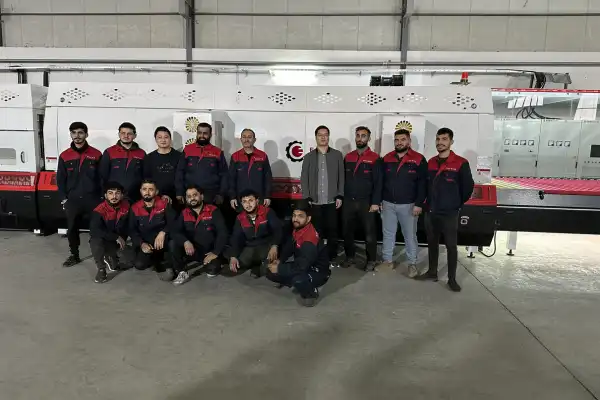
Understanding Convection Flat Glass Tempering Furnaces
Compared to older methods, convection tempering technology is a big step forward. When the glass sheets are put into the heating room, high-temperature blowers move air across both sides of the sheets to start the process. When glass is heated, a thermal boundary layer forms around it. This method breaks that layer, letting heat move faster and making the temperature profiles more even across the whole sheet.
How Does Convection Heating Work?
Fans made of ceramic insulation that can handle temperatures above 700°C power the forced airflow system. These blowers move hot air around at precisely controlled speeds, making rough flow patterns that make sure every square inch of glass gets the same amount of heat. Accurate temperature control within ±1°C ensures stability across production runs, which is especially helpful when working with glass that is 3mm to 19mm thick.
There are three steps in the tempering process: heating, soaking, and quenching. When glass is being heated, convection air quickly brings it to about 650°C. The soaking step keeps the temperature the same throughout the thickness, getting the molecular structure ready to change. Then, rapid air-jet quenching creates compressive surface stress, which gives the glass the power it needs for safety glass uses.
Key Benefits for Glass Manufacturers
Modern convection systems offer measurable benefits that have a direct effect on the economics of production. Better energy efficiency comes from faster heat transfer, which cuts electricity use by 10–15 percent compared to radiation furnaces. When heating processes use a lot of energy and power is a big part of the costs, this is very important.
There are several ways that better glass quality shows itself. The optical clarity is still better because even heating gets rid of the internal stress patterns that distort vision. The level of flatness control is the best in the business, and measurements of bow and warp stay within 0.1% tolerances even on large architectural lites. Getting rid of roller wave defects and edge lift problems raises yield percentages across all product categories and lowers the number of products that are rejected.
Improvements to safety meet strict foreign standards like ANSI Z97.1, ASTM C1048, and EN 12150-1. When properly toughened glass breaks, it shatters into small, mostly safe pieces that keep people inside buildings and cars from getting cut.
Recent Technological Advancements
Modern convection stoves have smart control features that make them easier to use and better at what they do. Inverter-controlled fans change the amount of airflow in real time based on the covering and thickness of the glass. Multilingual touchscreen interfaces help operators choose parameters, which cuts down on training time and mistakes made by people.
Industry 4.0 integration features let tracking be done from afar and repair schedules be made based on predictions. Analyzing production data can help you find ways to improve things, and managing recipes automatically makes sure that the results are always the same when you change the product specifications. These improvements in technology make tools easier to use and understand, which helps producers who are having trouble finding skilled workers.
Comparing Convection Flat Glass Tempering Furnaces With Other Technologies
Knowing the differences between convection and other ways of heating for a Convection Flat Glass Tempering Furnace helps people choose the right equipment. Each technology has its own performance traits, cost effects, and glass goods that it can be used with.
Heat Transfer Mechanisms and Performance
Infrared energy from electric heating elements or gas burners moves to the glass surface and powers radiation furnaces. This method works fine for clear, untreated glass, but it doesn't work as well for Low-E goods. Coatings with emissivity values as low as 0.01 reflect infrared energy instead of absorbing it. This means that they can be heated more times and may get damaged over time.
Through conduction and convection heat transfer, convection technology gets around this problem. No matter how reflective the coating is, hot air molecules physically touch the glass surface and transfer heat. Because of this basic difference, heated covered glass can be heated 20–30% faster while keeping delicate surface treatments from wearing off.
Electric heating systems let you precisely control the temperature, but they use more energy and take longer to heat up. Through better control of flows and more advanced heat recovery systems, convection systems achieve similar accuracy while using less energy.
Cost and Maintenance Considerations
The cost of building a convection furnace is usually 15–25% higher than that of a radiation furnace. This is because they need more complex fan systems and clay materials. But operational savings from shorter cycle times and less energy use lead to a good return on investment estimate, and the investment is usually paid back within 18 to 24 months of continued operation.
Different technologies have very different maintenance needs. Radiation heaters need to have their heating elements replaced every so often, usually every 12 to 18 months, but this depends on how often they are used. For convection systems to work properly, high-temperature bearings must be checked once a week, and blower impellers must be analyzed for vibrations. Even though the maintenance steps are more complicated, the time between replacing major parts is longer than in radiation systems.
Most major parts come with two to three years of warranty coverage from reliable makers. For important production settings, longer service agreements are available. Downtime risks that could mess up delivery schedules and customer commitments are kept to a minimum by manufacturers who offer technical support 24 hours a day and carry a wide range of spare parts.
Why Convection Technology Delivers Superior Results?
Convection systems are the best choice for tough jobs because they heat up quickly, evenly, and don't affect the finish. When it comes to large curtain wall projects, where optical clarity and flatness standards leave no room for error, architectural glass makers gain from uniform quality. The tight tolerances needed for windshield and window assemblies are met by companies that make automotive glass. Furniture and appliance makers can prepare a wider range of products without having to make a lot of changes to their tools between runs.
Procurement Considerations for B2B Buyers
To choose the best convection tempering furnace, you need to carefully look at the credentials of the supplier, the specifications of the equipment, and the supplier's ability to provide support after the sale. The buying process usually takes between three and twelve months, depending on the size of the investment and the level of technical difficulty.
Supplier Selection and Certification
By working with well-known manufacturers, you can be sure that you will have access to tested technology and dependable support networks. Suppliers who have worked in the field for decades bring a wealth of knowledge that is used to improve equipment designs and create detailed technical documents. Certifications like CE compliance show that foreign safety and performance standards are being met, which gives customers faith that final glass goods will meet the rules in their target markets.
Factory tours of a Convection Flat Glass Tempering Furnace are a great way to learn things that specs alone can't tell you. Seeing how equipment works in real production settings shows how well it was built, how easy it is to use, and how easy it is to do maintenance. Talking to the expert staff makes it clear what customization options are available and how they can meet specific processing needs.
OEM versus Dealer Considerations
When you work directly with a manufacturer, you usually get better technical help, more customization options, and clearer pricing. When you buy directly from the factory, you skip the markups that come from middlemen and get in touch with engineering teams that can answer your most complicated technical questions. There are more customization choices, such as changing the power system to meet local energy standards, making sure that production parameters are optimized for certain types of glass, and translating the software interface into more than one language.
Authorized sellers may have benefits in certain regions because they keep extra parts in stock locally, can respond faster to emergencies, and know how to install products in those regions. The choice between OEM and dealer routes relies on where the business is located, its technical skills, and how important it is to have quick access to local help.
Pricing Structure and Lead Times
The price of equipment is based on its production capability, amount of automation, and features that come with it. Convection furnaces for small to medium-sized businesses start around the mid-six-figure range, while large architectural glass plants need high-capacity automated systems that cost seven figures. To get a good idea of how much something costs altogether, detailed quotes should list the costs of the equipment, installation services, operator training, initial spare parts packages, and warranty coverage.
Lead times range from 60 to 120 working days, based on how complicated the model is and how much customization is needed. Planning the timing of purchases around production growth plans or building construction stages can help avoid delays that cost a lot of money. Some makers offer faster output for urgent needs, but you usually have to pay more.
Post-Sale Support and Maintenance Services
Full service after the sale is what sets great suppliers apart from average ones. Installation and testing services make sure that the equipment is set up correctly and that the starting parameters are optimized. Structured operator training programs, which usually last one week for basic skills, shorten the time it takes to learn how to use a machine and stop mistakes that could damage it or lower the quality of the product.
Ongoing technical help through 24-hour hotlines, online diagnostic tools, and regular repair visits makes sure that equipment works at its best for as long as it's supposed to. Preventive repair plans find problems before they happen, which increases uptime and makes parts last longer. Clear pricing and supply promises for spare parts keep downtime from getting too long when parts need to be replaced.
Making the Right Choice: Decision Support for Procurement Managers
Aligning the choice of a Convection Flat Glass Tempering Furnace with long-term operational goals requires a thorough analysis of many factors. Structured decision frameworks help production managers balance the need for capacity, quality standards, and budget constraints.
Assessing Production Capacity and Scalability
The first step in planning capacity is to look at how much is being produced now and how much is expected to grow in the future. The right furnace size and heating zone layout are based on the daily output needs. Manufacturers who work with a variety of products need machines that can handle a wide range of thicknesses (usually 3mm to 19mm) and have parameter settings that let them switch between specs quickly.
When thinking about scalability, you should think about how you could grow in the future. Modular equipment designs let you add more processing units or improve automation to increase output without having to update the whole system. This method keeps operational flexibility as business needs change while protecting capital investments.
Evaluating Total Cost of Ownership
A full financial analysis looks at more than just the purchase price; it also looks at the ongoing costs of running the equipment over its entire life. Energy use is the most expensive part of ongoing costs. When convection systems cut electricity use by 10-15%, they save a lot of money over ten to fifteen years of use. Finding out how many kilowatt-hours are needed based on local energy rates gives you a good idea of how much it will cost, which is useful for budgeting.
Maintenance costs cover regular upkeep, new parts, and repairs that come up out of the blue. Accurate cost forecasting is possible when suppliers make maintenance schedules and part prices clear. Aspects of labor efficiency also have an effect on the total cost of ownership. When machines don't need much attention from operators, skilled workers can do more useful tasks instead of constantly watching over them.
Costs related to quality should also be taken into account. Higher output rates from uniform tempering quality cut down on waste and costs for rework. When cycle times are shorter, assets are used more efficiently, which improves return on investment measures and shortens payback periods.
Creating Effective Supplier Shortlists
Systematic supplier evaluation keeps you from being unable to make a choice and makes sure that all qualified candidates are carefully considered. Technical skill, business terms, and support systems should all be part of the criteria. Asking for detailed technical specs, contact information for past customers, and chances to see the equipment in action gives you the information you need to make confident comparisons.
When real production glass pieces are used in tests, they show performance traits that can't be fully captured by theoretical specs. By looking at the quality of the finished glass, timing the processes, and testing how easy it is to use the operator interface, you can get useful information that you can use to make decisions about procurement. Given the long-term equipment commitments, these investments in evaluation turn out to be good ones.
Future Trends and Innovations in Convection Flat Glass Tempering Technology
Staying up to date on new developments for a Convection Flat Glass Tempering Furnace helps makers stay ahead of the competition by letting them adopt performance-enhancing innovations faster. Some technological paths look like they could make convection tempering better in the future.
Smart Automation and Industry 4.0 Integration
Next-generation furnaces have AI algorithms that keep improving the processing settings based on quality measures taken in real time. Machine learning systems look at tens of thousands of production cycles to find small links between changing parameters and getting better quality results. They then automatically improve heating profiles to get the highest yield with the fewest defects.
Connectivity features let you connect to corporate resource planning tools so that quality paperwork, production schedules, and repair management are all in sync. Predictive maintenance algorithms keep an eye on signs that show how well equipment is working. They can predict when parts will break before they do, and they schedule replacements for planned downtime instead of emergency interruptions.
Enhanced Energy Efficiency Controls
Environmental laws keep pushing for gains in efficiency. Advanced heat recovery systems use the thermal energy from exhaust to warm up incoming glass or heat the building. Variable-frequency drives on convection blowers match the motor speed exactly to the amount of airflow that is needed instead of running at full capacity all the time. This cuts down on wasted energy.
New insulation materials keep furnace rooms from losing heat, so they can keep their temperatures fixed with less energy input. Some makers are looking into different heating technologies, like induction systems, that might be able to improve the efficiency of energy conversion even more while keeping the even warmth that is needed for good tempering results.
Evolving Market Demands
Low-E processing skills are needed because more high-performance architectural glass is being used in environmentally friendly building projects. Triple-silver coating technologies that offer great insulation values are a challenge to traditional methods of tempering, but they work well with advanced convection systems. When manufacturers invest in these skills, they put themselves in a better situation to compete in the premium market.
Trends in electrification in the auto industry open up opportunities in technologies like heads-up displays, panoramic roof glass, and smart glass that need precise thermal processing. As vehicle designs change, convection furnaces that can control flatness and work with different coatings will get a bigger share of the market.
It becomes more and more useful to be able to handle thinner glass for lighter buildings without lowering the quality or strength. This market need is well met by convection technology's better flatness control on 3mm to 4mm thin architectural lites, which supports both energy economy goals and modern aesthetic tastes.
Conclusion
Putting money into a Convection Flat Glass Tempering Furnace is a long-term strategic choice that will affect production capacity, product quality, and the company's position in the market. The advanced forced convection method solves important problems in the industry, especially when it comes to processing Low-E coated glass, and gives real improvements in energy efficiency, throughput, and optical quality. For procurement to go well, suppliers must be carefully evaluated, total costs must be carefully analyzed, and equipment skills must be carefully matched with practical needs. When manufacturers choose the right convection systems, they get the technical base they need to serve the demanding building, automobile, and specialty glass markets. They also keep the freedom to adapt as the needs of the industries change. Automation, energy economy, and process control are all areas of technology that are always getting better. This means that convection tempering will stay an important part of making high-performance glass for many years to come.
FAQ
What makes convection systems better for Low-E glass processing?
Because low-E coatings scatter infrared rays, standard heating doesn't work as well. Instead of radiation, convection technology moves heat through direct contact with air, which gets around the reflective properties of the coating. This lets you work with glass that has an emissivity of as little as 0.01 without having to wait longer for the cycle to finish or risk damaging the coating. You can still get clear images and good hardening quality.
How much faster are convection furnaces compared to radiation models?
When compared to radiation-only furnaces, convection systems usually cut the time it takes to heat by 20 to 30 percent. The exact change relies on the width of the glass, the type of coating, and how the equipment is set up. This advantage in speed directly leads to higher daily production capacity and better rates of asset utilization.
What customization options should buyers request?
Customizations that are necessary include adapting the power system to local voltage standards, programming production parameters for specific glass products, and choosing the language of the software interface. Other things to think about are heating zone layouts that fit the usual size of the product, the ability to connect to current facility systems, and special features for processing needs that aren't met by standard features.
Partner With EASTTEC EQUIPMENT for Your Glass Tempering Success
Since 1994, EASTTEC tools has been making thermal processing tools for glass. They bring 30 years of technical experience to the field of convection tempering. Our systems use European quality control methods and Italian convection standards to give architectural glass processors, automakers, and specialty glass companies the performance and dependability they need. The true forced convection design with ceramic parts that can withstand temperatures up to 1300°C ensures efficient heat transfer and a longer service life. Additionally, our energy-saving engineering cuts electricity use by about a third compared to traditional systems.
When picking a supplier for a Convection Flat Glass Tempering Furnace, the level of technical support is just as important as the specifications of the equipment. Our tech team offers online help 24 hours a day, full installation and setup services, and training programs for operators that get them up to speed in just one week. Global operations can be supported by software interfaces that are available in multiple languages, and your facility's individual voltage needs, output specs, and process optimization needs can be met with deep customization options.
Get in touch with our sales team at sales@easttecmachine.com to talk about your tempering needs and get detailed technical specifications that are made to fit your production goals. We welcome factory visits to our Luoyang location, where you can see how we make our products and talk about how our convection tempering solutions can help you process glass better.
References
1. Glass Processing Technical Standards Committee. International Standards for Tempered Safety Glass: EN 12150-1 and ASTM C1048 Compliance Guidelines. Brussels: European Committee for Standardization, 2022.
2. Richardson, Michael J. Advanced Glass Tempering Technologies: Convection Systems and Low-E Coating Processing. London: Glass Manufacturing Industry Press, 2021.
3. Chen, Wei and Thompson, Sarah. "Energy Efficiency Optimization in Forced Convection Glass Tempering Furnaces." Journal of Industrial Glass Technology, vol. 38, no. 4, 2023, pp. 156-174.
4. National Glass Association. Procurement Guide for Architectural Glass Processing Equipment: Technical Evaluation and Supplier Selection. Vienna, VA: NGA Publications, 2022.
5. Automotive Glass Manufacturers Association. Quality Standards for Vehicle Safety Glass Production: Tempering Processes and Equipment Requirements. Detroit: AGMA Technical Division, 2023.
6. Zhang, Lin. Industry 4.0 Integration in Glass Thermal Processing: Automation, Data Analytics, and Predictive Maintenance. Singapore: Asia-Pacific Glass Technology Institute, 2024.

USER EVALUATE
Here is the customer's evaluation of us