




What Should Buyers Know Before Purchasing Glass Tempering Furnaces?
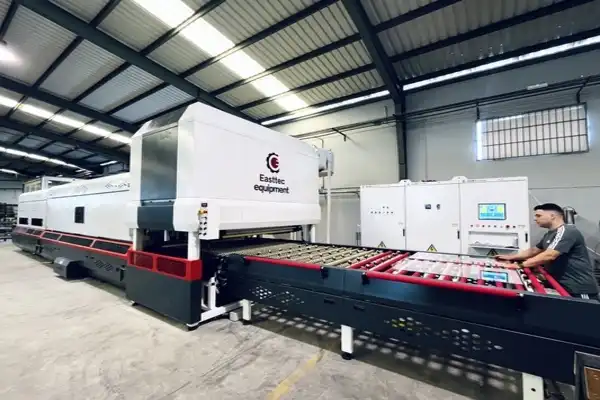
Before committing to a glass tempering furnace investment, buyers must evaluate more than just price. The right equipment decision involves understanding heating technology, production flexibility, energy consumption, and long-term support. A Radiation Flat & Bend Glass Tempering Furnace of Hard Roller represents one of the most versatile configurations available today, capable of processing both flat and curved glass across a 3mm to 19mm thickness range. Knowing how radiation-based systems differ from conventional alternatives — and what technical specifications actually matter on the production floor — can mean the difference between a profitable purchase and a costly mistake.
Understanding Glass Tempering Furnaces: Basics and Technologies
Glass tempering is a way to make glass stronger by heating it to between 620°C and 700°C and then quickly cooling it down to create a compression surface stress of more than 90 MPa. Standard tempered glass is changed through this process into safety glass that breaks into small, blunt pieces instead of dangerous bits. This is required by standards such as EN 12150-1 and ASTM C1048.
Radiation vs. Convection Heating
Radiation furnaces use high-density electric heating elements to send infrared energy straight to the surface of the glass. This creates very even temperatures without relying on hot air moving. Convection furnaces, on the other hand, use moving hot air to warm the glass, which isn't always effective with Low-E coatings and thin glass. Radiation-based systems usually allow manufacturers of different types of glass to better control the temperature, with an accuracy of ±1°C. This directly lowers edge stress defects and optical distortion.
The Hard Roller Advantage
When the temperature is high, soft-roller transport systems can leave marks on the surface and make it hard for the glass to move evenly. This risk is taken away by hard rollers made of fused silica or high-grade metal steel with sides that are ground to a mirror finish. Synchronized mechanical transmission makes sure that each sheet moves at the same speed, which stops the "roller wave" distortion that happens with cheaper conveyor systems. When working with bent glass, this level of accuracy is especially important because even small changes in position can affect how accurately the curve is formed.
Flat vs. Bent Glass Processing
On the same production base, a dual-function tempering line like the Radiation Flat & Bend Glass Tempering Furnace of Hard Roller can work with both flat architectural panels and curved glass goods. A matrix thermal heating system with separate zone control is used in the bending section to soften the glass in specific areas before the hard-roller pressing mechanism shapes the curve. This unified method gets rid of the need for separate lines of equipment, which lowers both the cost of capital and the amount of floor space needed.
Key Factors to Consider When Purchasing Glass Tempering Furnaces
Buying a tempering furnace is a long-term investment choice that usually takes three to twelve months to pay off. Before you sign anything, you should carefully look over a number of performance and engineering factors.
Energy Efficiency and Operating Cost
One of the methods that uses the most energy in the glass industry is heating glass. Radiation furnaces with multi-zone PID temperature control use a lot less energy when they're not in use than regular systems. Independent zone management means that only the parts that are actively processing glass use full power. This is a structural benefit that, according to recorded operator data, can cut electricity use by about a third compared to standard designs.
Production Capacity and Thickness Range
The furnace's useful working window needs to match the mix of orders you actually have. Buyers who work with both architectural curtain wall panels and car bent glass need tools that can handle both flat tempering areas of 2440x3660mm and a specialized bending area of 2440x1500mm without having to switch the whole line over. It is important to know the machine's minimum bending radius (R ≥ 500mm in advanced configurations) for glass used in cars, furniture, and appliances.
Automation and Operator Interface
A documented problem in U.S. glass manufacturing facilities is a lack of skilled operators. With equipment that is controlled by an Industrial PC (IPC) and PLC interface and recipe settings that are saved for different glass profiles, new workers can get consistent results without having to learn a lot of manual skills. Software options that are available in English, Spanish, and Portuguese, among other languages, make it easier for people to get started in a variety of work settings.
Procurement Considerations: From Selection to Purchase
It's not enough to just compare product datasheets when you're buying something like the Radiation Flat & Bend Glass Tempering Furnace of Hard Roller. The relationship with the supplier, the status of the certification, and the planning of logistics all affect the total value that is delivered.
Buyers should make sure that the equipment they are interested in has widely recognized certifications like CE marking and ISO 9001 compliance. These show that the company has followed standards for design and quality management. A supplier's credibility is also judged by how long they've been making things. For example, Easttec has been making thermal processing equipment for glass since 1994, and their technical team has over thirty years of experience with the process.
Customized tempering furnaces usually have lead times between 60 and 120 working days, but this depends on how they are set up. Buyers need to plan their production around this window. Before you buy, you should make sure that the supply agreement covers everything that needs to be covered after delivery, including the commissioning period, operator training, and the addition of voltage-adaptive power systems that work with 220V, 380V, and 415V at 50/60Hz.
Making the Right Choice: Decision Support for B2B Buyers
By matching the furnace's powers with what the business actually needs, both under-investment and over-specification can be avoided. Here are the main things that make a setup right for your facility:
- Dual-function capability With dual-function capability, one production line can make clear, colored, and etched glass in both flat and curved shapes, saving money on equipment that isn't needed twice.
- Hard-roller pressing technology The hard-roller pressing method keeps the arc deviation to within 1.5 mm, which meets the exact geometric requirements for fitting windshield and sunroof glass assemblies in cars.
- Matrix radiant heating with independent zones Matrix infrared heating with separate zones increases the chances of complex bending processes working by making sure that the glass softens evenly across the whole sheet before pressing.
- IPC recipe storage IPC recipe storage makes it easy to switch quickly between different glass thicknesses and radii, which cuts down on setup waste across a wide range of order books.
- High-temperature resistant alloy steel construction The hard-axis drive system lasts longer because it is made of high-temperature resistant alloy steel. This means that it needs less upkeep and costs less to repair worn parts.
If you work with glass deep-processing, the Radiation Flat & Bend Glass Tempering Furnace of Hard Roller directly addresses the problems that keep coming up: uneven bend quality, high energy costs, and too much downtime when switching between products. People who buy specialty glass for commercial refrigeration, architectural curtain walls, or auto parts will find that this configuration works especially well in places where more than one product is made.
Maintenance, Safety, and Troubleshooting Best Practices
Equipment that is always working protects both delivery schedules and long-term profits. It is much cheaper to do preventative maintenance than to fix something that breaks down.
Scheduled Inspection Protocols
Every 500 hours of use, the mechanical drive and synchronization chains that control the movement of the rollers should be checked. Every so often, thermal imaging of the radiation matrix should be done to find cold spots before they cause the glass to soften unevenly. To keep their mirror shine and stop surface marks from dirt and grime, roller surfaces need to be cleaned regularly.
Common Troubleshooting Scenarios
Temperature changes in different heating zones are usually caused by element wear or thermocouple drift, which can both be fixed by checking each zone individually. Most of the time, an uneven bend radius is caused by misaligned roller heights or slack drive chains. This can be fixed by using the mechanical adjustment systems built into the bending section.
Safety and Compliance
People who work near boilers that keep going at temperatures between 620°C and 700°C need to be trained in thermal safety and wear the right gear. Industrial thermal equipment used in U.S. plants must meet OSHA standards, and buyers should make sure that training programs for suppliers cover both normal operation and emergency shutdown methods.
Conclusion
Buying a glass tempering furnace like the Radiation Flat & Bend Glass Tempering Furnace of Hard Roller is a big, multi-factor decision that will have long-lasting effects on the quality of the products you make, the cost of energy, and how well your business runs. Buyers who look at heating technology, the accuracy of the roller system, the freedom of production, and the level of support from the provider will make investments that last longer. A radiation-based system with hard-roller transport and multi-zone thermal control is the current gold standard for companies that need to make sure that the quality of their flat and curved glass lines is the same.
FAQ
How does radiation heating perform on Low-E coated glass?
Because Low-E coatings are reflective, high-performance radiation furnaces can change the element intensity and zone distribution to make up for this. Additionally, some more modern designs include extra convection help designed just for coating-sensitive glass types.
What makes hard rollers superior to soft rollers?
Hard rollers have surfaces that are mirror-ground and mechanical drives that work together to stop the friction and speed differences that cause surface marking and "roller wave" optical distortion. The metal steel they are made of also keeps them from wearing out over time during long production runs.
What is the typical delivery time for a customized furnace?
Delivery time for setting up glass tempering equipment is usually between 60 and 120 working days, but this depends on how complicated the model is and how many customizations are needed, such as changing the voltage and localizing the software.
How quickly can the furnace switch between flat and bent processing?
Modern automatic systems can change the quench shape and roller heights in five to fifteen minutes, which makes it easy to switch quickly between different product specs.
Does this type of furnace meet international safety glass standards?
Yes, equipment built to meet the standards of EN 12150-1 and ASTM C1048 makes thermally toughened safety glass that has a surface compression of more than 90 MPa and fragmentation patterns that meet proven safety requirements.
Ready to Upgrade Your Tempering Line? Contact EASTTEC EQUIPMENT Today
Every project that EASTTEC EQUIPMENT works on is backed by their 30 years of experience in thermal processing glass. As a reliable Radiation Flat & Bend Glass Tempering Furnace of Hard Roller manufacturer, we offer fully customized configurations, expert help 24 hours a day, and a full turnkey installation experience. Contact our engineering team at sales@easttecmachine.com and take the next step toward consistent, energy-efficient glass production.
References
1. Glass Technology Services Ltd. — Thermally Toughened Safety Glass: Testing and Standards Review, 2021.
2. American National Standards Institute (ANSI) — ANSI Z97.1: Safety Glazing Materials Used in Buildings, 2015.
3. European Committee for Standardization (CEN) — EN 12150-1: Glass in Building – Thermally Toughened Soda Lime Silicate Safety Glass, 2019.
4. ASTM International — ASTM C1048: Standard Specification for Heat-Strengthened and Fully Tempered Flat Glass, 2018.
5. Glass Magazine — Energy Efficiency Trends in Industrial Glass Processing Equipment, 2022.
6. The Fabricator — Automation and Controls in Modern Glass Tempering Operations, 2023.

USER EVALUATE
Here is the customer's evaluation of us