




What Projects Require Top Convection Curved Glass Tempering Machine with Flexible Roller?
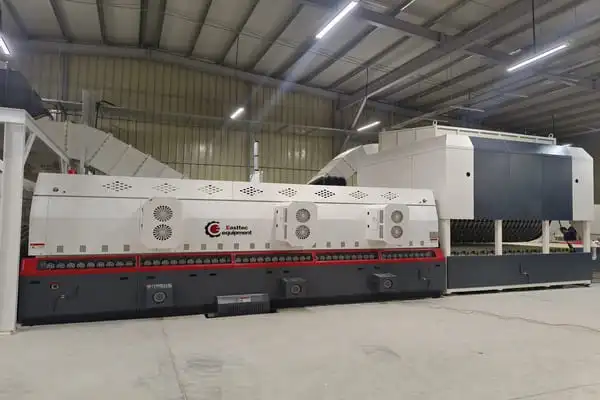
Projects that demand a top convection curved glass tempering machine with flexible rollers span multiple high-specification industries. Architectural curtain wall systems, automotive windshield production, commercial refrigeration display cases, appliance glass components, and decorative furniture glass all share one requirement: precise, consistent curved tempering without surface distortion. The forced convection heating system accelerates the thermal cycle by 30% while the adjustable flexible roller mechanism accommodates diverse bending radii without physical mold changes — making this technology the preferred choice for manufacturers who prioritize yield rate, glass integrity, and operational throughput across varying product specifications.
Understanding Convection Curved Glass Tempering Machines with Flexible Rollers
How Forced Convection Heating Works
When superheated air is pumped through ceramic-lined fan tubes during convection-based glass tempering, a uniform thermal field forms around the glass surface. This method gets rid of the temperature differences that happen in radiant-only systems and are known to distort light and cause stress to be uneven. The Glass Association of North America says that the exact temperature during heating (within ±5°C) affects both the final fragment density and the resistance to impact. A high-pressure convection system heats 30% faster than radiant-only models, and it keeps Low-E surfaces that have an emissivity of as little as 0.01 from getting damaged by rust.
The Role of the Flexible Roller System
Traditional fixed-roller bending machines need special molds for each radius of curvature. This makes the cost of tools higher and the time it takes to switch between products longer. A flexible roller bed with many individually adjustable servo-controlled roller segments lets the operator digitally set any desired curve through a PLC interface. This means that the machine can quickly change from a shallow artistic facade curve to a tighter business refrigeration radius. The high-strength, flexible roller system can be adjusted to handle large spans and different curves. This gives modern custom glass designs the mechanical flexibility they need.
Complete Curved Tempering Workflow
The process starts with loading flat glass onto the feeding machine. It is then moved through the convection heating room, which precisely controls the temperature. When the glass hits its softening point, it moves to the bending area, where a top convection curved glass tempering machine with flexible roller bed shapes it into the right shape. As soon as the glass hits the quench zone, high-pressure air blasts quickly cool the surface. This locks in compression stress for a high fragment density that meets ANSI Z97.1 and EN 12150 safety standards. An Industrial PC (IPC) device controls and keeps track of the whole process, from flat tempered glass to finished bent glass.
Key Industries and Projects That Benefit from Advanced Tempering Machines
Architectural and Construction Glass
Curved curtain wall panels, cylinder-shaped building facades, and curved structural glass all need to be made with complicated mathematics and clear glass. High-rise commercial buildings must have glass that meets strict safety standards and keeps the quality of the view across large areas. Flat radiant furnaces can't match the consistent profiles of compressive stress that convection-based bending furnaces can. Having the ability to process glass from 4 mm to 19 mm thick in a single machine lets architectural glass makers meet both decorative and structural needs without having to buy different lines of equipment.
Automotive and Specialty Vehicle Glass
Side windows, panoramic sunroofs, and windshields in passenger cars have to pass strict tests for impact and heat resistance. Automotive glass has to meet very strict curvature standards. In fact, in luxury car supply chains, radius accuracy below 0.5mm is the norm. A flexible roller bending and tempering machine lets companies that make glass for cars change the shape digitally for each model, which saves them a lot of money on tools. This is especially important for specialty vehicle glass, like glass for armored vehicles and naval use, where small batch amounts make standard fixed-mold methods too expensive to use.
Appliance, Furniture, and Decorative Glass
A lot of different types of products, like oven door glass, refrigerator panels, curved shower screens, and artistic furniture tabletops, need to be certified for both safety and good looks. For these uses, thinner glass (usually 4 to 6 mm) that has been made with very tight standards is often needed. The convection heating system stops the warping and surface flaws that happen a lot with radiant heating on lighter glass. For companies that make furniture glass and do short runs of different designs, being able to quickly switch bending recipes through saved IPC programs cuts setup time between orders by a huge amount.
Comparing Convection Curved Glass Tempering Machines with Traditional Systems
Limitations of Fixed-Roller and Radiant Systems
Fixed-roller systems force workers to bend in ways that have already been planned. This makes it expensive and time-consuming to change products. Radiant-only heating creates hot spots on the surface, causing stress to be distributed unevenly. This makes the material more likely to break and lowers its yield. For people who work with Low-E coated glass, radiant exposure without convection circulation can cause film oxidation, which makes the finished glass less thermally efficient for good. Higher rates of scrap, lower output, and less competition in markets where glass specs change often are all direct results of these restrictions.
The Technical Advantage of Convection and Flexible Roller Design
It is possible to measure the difference in performance between old and new systems. Better insulation and thermal management cut energy loss by 20%, which means that compared to similar radiant heaters, the monthly power bill is lower. The number of batches made per shift goes up directly when the heating step is 30% faster. The top convection curved glass tempering machine with flexible roller gets rid of the need to change molds, which can make up for hours of lost capacity per week in high-mix production environments. These technical benefits add up over time, giving medium- to large-sized glass-making businesses a clear return on their investment.
Before you decide to buy, here are the main changes in capabilities that you should keep in mind:
- Heating Uniformity: Convection systems maintain temperature accuracy across the full glass surface, reducing optical distortion in curved finished products and supporting Low-E coating integrity at emissivity levels as low as 0.01.
- Bending Flexibility: Digital roller adjustment via PLC eliminates physical mold dependency, enabling rapid transitions between bending radii without production interruption.
- Energy Efficiency: A 20% reduction in energy loss per production cycle reduces operating costs materially over the machine's service life.
- Glass Thickness Range: Processing capability from 4mm to 19mm within a single machine configuration supports a wide product portfolio without additional capital investment.
The problems that glass-making companies get the most complaints about are inconsistent quality, high energy costs, and slow changeovers. These benefits directly address these problems.
Selecting the Right Tempering Machine for Your Project
Define Your Product Specifications First
Make a list of all the types of glass, thicknesses, bending radii, and production volumes that your facility handles before you look at any equipment. The goals of a factory that mostly makes 6mm ornamental curved glass are different from those of a factory that mostly makes 12mm car safety glass. Knowing your thinnest and thickest product, your smallest and largest bending radius, and your daily maximum output gives you the specifications you need to check if a machine's heating chamber size, roller adjustment range, and quench capacity will really work for your work.
Evaluate Technology, Certifications, and Support
Look beyond what's written in the brochure. Check that the equipment has CE certification. This shows that it meets European safety standards for machinery and makes it easier to get into international bids. Make sure that the IPC control system securely saves and recalls production recipes. This is very important when managing production plans for multiple SKUs. Ask sellers about how long it takes to get back to you after the sale. Easttec's technicians offer online support 24 hours a day, seven days a week, and new operators can become fully operational within a week. This helps U.S. glass processing centers deal with the problem of a lack of skilled workers.
Customization and Long-Term Scalability
Needs for production change. A machine that can handle today's orders might not be enough in three years. Choose a provider that can really customize, such as one that can change the power system to meet 380V or 415V industry standards, offer configurable heating curves, and have software interfaces that can be used in more than one language. Easttec offers working options in Spanish, English, Russian, Korean, and Portuguese, as well as other languages based on customer and country needs. This scalability protects your investment in capital over a longer period of time.
Maintenance, Safety, and Operational Best Practices
Routine Inspection Protocols
Regular upkeep is needed for machines to work well all the time. Every week, operators should check the alignment and condition of the rollers and the surface. They should also look for wear on heat-resistant bearings and Kevlar-style roller covers that reduce friction between the rollers and the surface. Every month, you should check the continuity of the heating element, and every three months, you should check the PID zone calibration against reference thermocouples. The IPC system constantly records working data, which makes it easy to spot performance drift before it leads to production problems.
Integrated Safety Features
Modern curved tempering machines have automated conveyor interlocks, emergency stop circuits that can be reached from different operator positions, and safety features that prevent the blower and heating elements from overheating. Machinery Directive 2006/42/EC sets the standard for worker safety in the U.S. export market and most foreign bids. CE-certified equipment meets these standards. When working on the bending section, operators should make sure they have the right safety gear on and follow lockout/tagout procedures.
Maximizing Operational Efficiency
Keeping checked production recipes in the IPC system gets rid of mistakes made when entering parameters by hand between production runs. Calibration of the quench pressure on a daily basis makes sure that the splinter density always meets the safety glass standards that are in place. Unplanned downtime is greatly reduced by keeping a written record of extra parts inventory, especially for servo motor parts that control wheel curvature. All of these practices work together to make manufacturing more sustainable and productive.
Conclusion
What kind of bent glass tempering technology a firm needs depends on the projects it works on. Heating uniformity, bending accuracy, and throughput consistency are all important for different types of glass, such as architectural curtain walls, car windshields, gadget panels, and artistic furniture glass. A convection-based system with a top convection curved glass tempering machine with flexible roller mechanism meets all of these needs on a single, flexible platform. It can process glass from 4mm to 19mm, waste 20% less energy, and cut heating cycles by 30%. This type of machine is a good investment for procurement teams looking at long-term capital equipment because it works well, is CE certified, and comes with full after-sales support.
FAQ
1. What glass thicknesses can a flexible roller bending tempering furnace process?
Most convection curved glass tempering tools have flexible wheels that can work with glass up to 19 mm thick. This large window lets decorative thin glass, normal architectural panels, and heavy-duty structural glass all fit into a single machine configuration, so they don't have to be made on different machines.
2. How does forced convection protect Low-E glass coatings during bending?
Instead of shining direct radiant energy on one side of the glass, forced convection moves heated air around it in a smooth circle. This even, indirect heat distribution stops overheating in some areas, which would oxidize or break down Low-E coatings with low emissivity values. This preserves the end product's thermal performance.
3. Can bending radius be changed without replacing molds?
Yes. The digitally controlled servo motors in the flexible roller system move the rollers around. The PLC interface lets operators change the target bending radius. This gets rid of the need to change the mold physically and lets you quickly switch between different product shapes during the same production shift.
4. What certifications should I verify before purchasing?
Check that the machine has CE approval as a minimum requirement for safety and being able to be sold internationally. Also, make sure that the finished glass you produce meets the tempering standards set by ANSI Z97.1, SGCC, or EN 12150, depending on the market you want to reach. This is because the performance of your equipment directly affects whether your product passes certification.
5. How long does operator training take?
With a well-thought-out IPC interface and stored recipe management, Easttec-equipped facilities usually have new operators who are fully up to speed in just one week. The software menu is available in English, Spanish, Russian, Korean, and Portuguese. This means that production teams from different backgrounds can work together without any language problems and learn faster.
Partner with EASTTEC EQUIPMENT for Your Next Curved Glass Project
Since 1994, EASTTEC EQUIPMENT has been making thermal processing systems for glass. They do this by mixing Italian convection technology with 30 years of experience working with glass in the building, car, appliance, and decorative markets. You can talk to us directly about our Top Convection Curved Glass Tempering Machine with Flexible Roller, whether you are looking for a supplier for a new production line or need to replace old equipment. To get a detailed estimate or a demonstration of our tools, please email our team at sales@easttecmachine.com. We are ready to help you with your project from the planning stages to the start-up phase.
References
1. Glass Association of North America (GANA). Tempering Division Engineering Standards Manual. 2021.
2. American National Standards Institute. ANSI Z97.1: Safety Glazing Materials Used in Buildings — Safety Performance Specifications and Methods of Test. 2015.
3. European Committee for Standardization. EN 12150-1: Glass in Building — Thermally Toughened Soda Lime Silica Safety Glass. 2015.
4. National Glass Association. Glass Industry Report: Energy Consumption and Efficiency Trends in Glass Processing. 2022.
5. Pilkington, A. (Ed.). Flat Glass Technology. Springer Science & Business Media. 2019.
6. U.S. Department of Energy, Office of Industrial Technologies. Energy and Environmental Profile of the U.S. Glass Industry. 2002.

USER EVALUATE
Here is the customer's evaluation of us