




What Makes Radiation Precision Flexible Roller Flat & Bent Glass Tempering Line Ideal for Large Glass Factories?
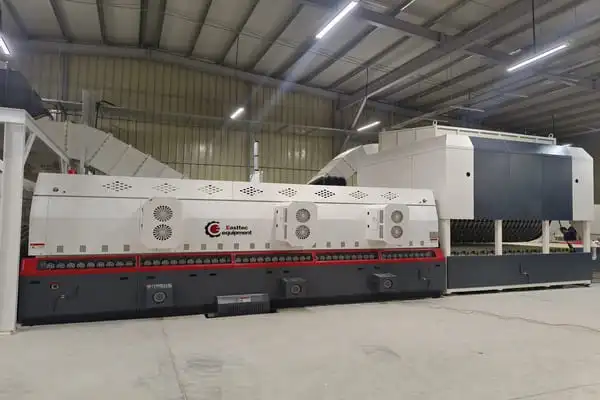
The Radiation Precision Flexible Roller Flat & Bent Glass Tempering Line stands out because it solves two major production challenges at once: processing flat architectural panels and complex curved glass on a single platform. Large glass factories need equipment that handles glass from 5mm to 19mm thickness, delivers temperature accuracy within ±1°C, and switches between product types without long downtime. Easttec's system combines multi-zone matrix radiant heating, a high-strength flexible roller system, and robust IPC/PLC control architecture to give manufacturers consistent quality, lower energy bills, and the production flexibility modern markets demand.
Understanding Radiation Precision Flexible Roller Tempering Technology
Before you choose a cooling system, it's helpful to know what the technology does and why the technical choices are important for everyday production.
What the System Actually Does
Easttec's Multi-zone Matrix Radiant Heating heats the glass on this tempering line. High-intensity radiation elements directly hit the glass surface. The glass then goes through a section that is carefully controlled to cool it down. This process makes tempered glass that meets the fragmentation and mechanical strength standards set by EN 12150 and ASTM C1048. These are two standards that architects, car engineers, and gadget makers usually need.
The Flexible Roller Advantage
The adjustable high-strength flexible roller bed changes its shape to fit the shape of each product, unlike rigid roller systems that only let a factory make flat glass. Bending radii are usually between 400 mm and 3000 mm, which is a wide range that includes shallow curves for buildings and tighter shapes for cars.
Automation and Control Architecture
The IPC and PLC interface stores hundreds of production recipes. This means that switching between product types doesn't need different production lines or expensive mold changes. When an operator calls up a saved recipe and confirms the parameters, the system automatically changes the roller position and tempering settings. This process usually takes less than 15 minutes. New operators can get up to speed on production levels in just one week. This directly solves the problem that many glass companies are having with a lack of skilled workers.
Why This Tempering Line Excels in Large Glass Factories
Equipment needs to be used in different ways in large businesses versus smaller job shops. This method really shines on a working floor with a lot of work to do.
High Throughput Without Quality Loss
There is no "cold edge" problem that slows down cycle times because the matrix radiant heating evenly absorbs heat across the whole width of the glass. Differential radiation control keeps the temperature accurate to within ±1°C, which lets the Radiation Precision Flexible Roller Flat & Bent Glass Tempering Line run at full speed without changing the shape of the surface or making it more likely to break.
Measurable Energy Savings
When compared to regular burner designs, high-density composite insulation cuts heat loss by 20%. This means that monthly electricity costs will go down a lot in big factories where tempering furnaces are always on. Because the furnace is stable, there are fewer temperature recovery processes after doors are opened, which saves even more money over the course of a work year.
Low Maintenance Demand
The system uses parts that are compatible with ceramics and are approved for long-term use at high temperatures. Peak-to-valley variation must be less than 0.05mm, and digital scanning checks for roller wave distortion. Structured maintenance plans include an automatic calibration check once a week and a full mechanical audit every six months. These plans keep the production schedule on track and protect machinery uptime.
Radiation Precision vs. Traditional Tempering Systems
Choosing between a flexible roller tempering line and a conventional roller hearth furnace is a real procurement decision, and the differences go beyond marketing language.
Where Rigid Roller Hearth Systems Fall Short
Traditional roller hearth furnaces heat glass well but cannot adjust the roller bed geometry. Any factory needing curved glass must either purchase a separate bending furnace or outsource that work — both options add cost and complexity. Rigid systems also tend to produce more "roller wave" distortion on glass thinner than 6mm because the fixed roller spacing cannot adapt to changing glass stiffness.
Technical Performance Benchmarks
The flexible roller design, combined with Easttec's matrix radiant heating, keeps optical distortion measurable in millidiopters — the same metric premium architectural glaziers use to grade curtain wall glass. Anisotropy (strain pattern) analysis with polarized light scanning confirms minimal "leopard spots," which is a common rejection reason in high-specification contracts. These are performance numbers that matter when a factory is bidding on upscale commercial or automotive work.
ROI and Total Cost of Ownership
A single Radiation Precision Flexible Roller Flat & Bent Glass Tempering Line processing both flat and bent glass eliminates a second equipment purchase, a second maintenance contract, and the floor space a second machine occupies. Combined with 20% energy savings and a structured maintenance program, the payback period shortens considerably compared to running two separate systems.
How to Choose the Best Glass Tempering Line for Your Factory
Not every plant needs the same set-up. What's best depends on how much is being made, what kinds of products are being made, and plans for long-term growth.
Match the Equipment to Your Product Mix
A regular forced convection kiln might be enough for factories that mostly make flat architectural glass, like tempered curtain wall panels, insulated glass units, or safety glass for business buildings. The flexible roller platform, on the other hand, is a great addition to any factory that works with automotive glass, curved appliance panels, shower enclosures, or decorative architectural glass with different curves. This is because the geometry flexibility is built into the base design, rather than being added as an expensive aftermarket upgrade.
Verify Compliance and Customization
ASTM C1048 says that glass sold in the U.S. must meet certain standards. EN 12150 says that glass that is sent to Europe must be safe. Easttec builds this line to meet CE standards, and the company can change the voltage to meet global industrial standards such as 220V, 380V, and 415V at 50/60Hz. Based on what the plant needs, production parameters, program language, and equipment size can all be changed.
Evaluate After-Sales Support Carefully
The service structure of the supplier has a big impact on how reliable the equipment is over a five- to ten-year service life. Look for technical support that is available 24 hours a day, spare parts that can be tracked, and help with installation and commissioning that can be done on-site. Easttec offers all three, as well as training for operators that makes new employees ready to start working within a week.
Future Trends in Glass Tempering for Large Factories
The glass industry is going toward smart monitoring, process control based on data, and production with less carbon. The equipment choices factories make now will decide how competitive they are in five years.
When factories buy IPC/PLC-driven systems now, they are ready to add Industry 4.0 tracking tools when those standards become more stable. Quality management systems can use real-time production data from each tempering cycle to cut down on waste and help the process keep getting better. The 20% increase in energy efficiency in the latest Easttec furnace designs is also in line with carbon reduction goals that big automotive and building clients are asking their supply chains to meet more and more. If you choose equipment that has recorded energy performance data, it's easier to meet green goals without having to buy more instruments.
Conclusion
Large glass factories have to deal with a lot of problems when they make glass. These problems include being able to process both flat and curved shapes, keeping energy costs low, and making sure that maintenance is easy to do. The Radiation Precision Flexible Roller Flat & Bent Glass Tempering Line solves these problems. Every part of this system shows Easttec's more than 30 years of engineering experience in thermal processing glass. This includes the multi-zone matrix radiant heating, IPC recipe management, and CE-certified build quality. This line is a practical and technically sound way for factories to move forward when they want to increase their output or replace old equipment.
FAQ
1. What glass types can this tempering line process?
The method can work with glass that is clear, tinted, or etched and is between 5 mm and 19 mm thick. It works best with glass that isn't covered. For special coatings like Triple-Silver Low-E, the radiation precision control can be adjusted to control the coating's reflective properties and keep it from firing too much.
2. How does radiation heating compare to convection in terms of quality?
High-intensity elements heat the glass directly through radiation, which gives workers more control over how much heat each type of glass absorbs. This lowers the chance of the surface of thinner glass softening too soon and keeps visual distortion within the millimeter ranges needed by high-end building and car standards.
3. How much energy does this system save versus a conventional furnace?
Compared to older models, high-density composite insulation cuts heat loss by 20%. This saves a lot of energy every month in a big plant that runs all the time, which lowers the total cost of ownership over the equipment's useful life.
4. How long does it take to switch between flat and bent production?
The PLC control system instantly changes the position of the flexible roller bed and all the settings for tempering. The change usually only takes about 15 minutes, which is helpful for companies that have different plans for different products.
5. What after-sales support does Easttec provide?
Easttec offers live expert help 24 hours a day, 7 days a week, as well as on-site installation and commissioning, user training, and spare parts. The equipment comes with full paperwork and a CE certification to make sure it is compliant and meets guarantee requirements.
Get a Custom Quote from EASTTEC EQUIPMENT Today
Along with EASTTEC EQUIPMENT they have been making high-quality glass tempering equipment since 1994. Get in touch with our team right away if your factory is looking for a Radiation Precision Flexible Roller Flat & Bent Glass Tempering Line supplier for your next capacity investment. We set up each system based on the amount of glass you need, how much you want to make, and the size of your building. Email us at sales@easttecmachine.com to get a full quote or a list of products that are made just for your business.
References
1. Glass Technology Europe. (2022). Advances in Flat and Bent Glass Thermal Processing Technology. Glass Technology Europe Journal.
2. American Society for Testing and Materials. (2021). ASTM C1048: Standard Specification for Heat-Strengthened and Fully Tempered Flat Glass. ASTM International.
3. European Committee for Standardization. (2004). EN 12150-1: Glass in Building — Thermally Toughened Soda Lime Silicate Safety Glass. CEN.
4. Glass International Magazine. (2023). Energy Efficiency Strategies for Modern Glass Tempering Furnaces. Quartz Business Media.
5. USGlass Magazine. (2022). Procurement Considerations for High-Volume Architectural Glass Processing Equipment. Key Communications Inc.
6. Glass Worldwide. (2023). Industry 4.0 Integration in Glass Tempering: Trends and Operational Impact. Glass Worldwide Publications.

USER EVALUATE
Here is the customer's evaluation of us