




What Defines Top Convection Toughening Equipment Performance Standards?
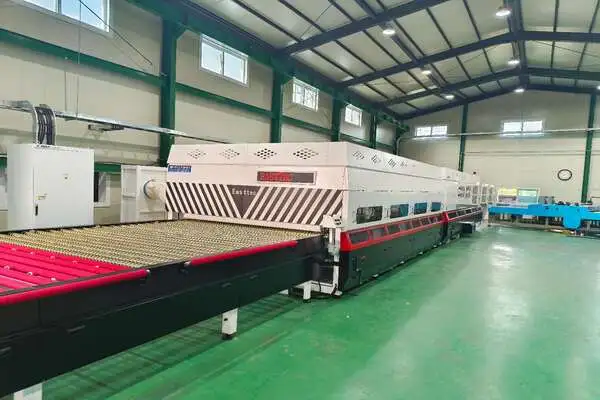
When glass manufacturers invest in thermal processing technology, they're not just buying equipment—they're choosing the future of their production capability. Top Convection Flat Glass Toughening Equipment represents the gold standard in modern glass processing, combining forced convection heating with intelligent controls to deliver consistent quality, energy efficiency, and exceptional flatness. These systems address critical industry challenges like processing high-performance Low-E coatings without damage, maintaining uniform heat distribution across varying glass thicknesses, and achieving tempering speeds that traditional radiation furnaces simply cannot match. At EASTTEC EQUIPMENT, we've witnessed how the right convection technology transforms production outcomes, turning operational bottlenecks into competitive advantages.
Understanding Convection Flat Glass Toughening Technology
The idea behind convection seasoning is very different from the way radiation is usually used. These systems don't just rely on radiant heat absorption; they also use high-temperature fans to move hot air across glass surfaces. This method fixes a persistent issue in the processing of glass: Low-E coatings with emissivity ratings as low as 0.01 reflect radiant energy, causing uneven heating patterns that cause glass to break and distort optically.
How Forced Convection Technology Works
Glass is heated to about 600–700°C in convection furnaces, which use ceramic-lined blowers to circulate hot air that can handle temperatures above 1300°C. Through convection, the heated air moves the heat directly to the glass surface, going around the reflective barrier that metal coatings make. This direct thermal contact makes sure that even triple-silver Low-E glass gets the same tempering temperature without the feared "soft center" effect that weakens the structure.
The Complete Tempering Cycle
Glass goes into the kiln on ceramic roller conveyors. It goes through heating zones with air nozzles that are precisely managed to blow hot air onto both the top and bottom sides. Modern systems automatically change the opening height and air pressure based on the thickness of the glass, from thin 3 mm architecture panels to thick 19 mm furniture glass. Once the glass reaches the right temperature, it moves quickly into the quenching section. This is where high-speed air jets create the compressive surface stresses that make tempered glass what it is.
Temperature Control and Energy Optimization
Modern convection systems have fans that are controlled by inverters and change the flow of air in real time based on input from multiple temperature sensors. This smart regulation cuts energy use by 10–15% compared to fixed-speed systems while keeping the temperature accuracy within 2°C. Heating tanks are made of ceramic, which reduces heat loss. The faster heating cycle—up to 32% faster than radiation furnaces—means that less electricity is used per square meter of material handled.
Key Performance Criteria for Top Convection Toughening Equipment
To choose the right tempering equipment, you need to look at a number of performance factors that have a direct effect on the quality of your work and the cost of running your business. At EASTTEC EQUIPMENT, we've found six important criteria that set great equipment apart from just-good solutions.
Heating Uniformity and Glass Flatness
One thing that makes Top Convection Flat Glass Toughening Equipment stand out is its ability to get rid of edge lift flaws and rolling wave distortion. Modern top-air convection systems spread thermal loads evenly across the whole glass surface. This stops the bowing and warping that happen when thin architectural glass is processed. The equipment should always give flatness readings below 0.08 mm roller wave and edge lift readings below 0.1 mm. These are the standards that architectural curtain wall makers expect for high-end projects.
Coating Protection Capabilities
Making high-performance Low-E glass is difficult in its own way. The equipment has to keep the coating intact while letting all the heat through to the glass core. For Low-E processing, systems have calibrated convection profiles that stop the "white haze" effect, which is when coatings break down because of too high of surface temperatures. Professional-grade equipment can work with double- and triple-silver products without any visible flaws. Entry-level equipment can't do that.
Production Capacity and Throughput
The real value of convection technology is shown by how much it increases daily production. These systems greatly increase output without lowering quality because they cut heating time by 20 to 30 percent compared to regular radiation heaters. This increase in speed helps companies that work with car glass, appliance panels, or architectural goods meet tight delivery dates and get the most out of their tools.
Automation and Operator Accessibility
Because glass producers around the world can't find enough trained workers, they need automation that is easy for people to use. The best convection systems have automatic recipe control that changes all the processing parameters based on the glass specifications that are entered using simple touchscreens. Operators in production facilities around the world can learn how to use equipment within a week of training thanks to multilingual operation menus that include English, Spanish, Russian, Korean, and Portuguese.
Energy Efficiency Standards
Since power is a big ongoing cost in glass heating, designs that use less energy have a direct effect on profits. It is possible for equipment with variable-speed drive technology, better thermal protection, and smart heating systems to cut costs by a third compared to older technology. This efficiency doesn't mean less performance; instead, it means tech improvement that helps your bottom line and your goals for environmental sustainability.
Reliability and Maintenance Requirements
Downtime for equipment messes up production schedules and makes customers less trusting. Good convection fans with ceramic bearings and frequency drive control can usually work for 20,000 hours or more before they need major repairs. How easy it is to get to important parts, spare parts, and technical support networks that respond quickly determines whether a small problem causes a short break or a costly production stop.
Comparing Convection Toughening Equipment with Alternative Technologies
Knowing how convection technology stacks up against radiation and infrared heating helps purchasing managers make smart choices that fit their product lines and production needs.
Radiation heaters use heating parts that send out infrared energy that glass soaks up. This old way of doing things works fine for clear glass but not so well for Low-E materials that reflect heat. Triple-silver finishes often need to be heated for long periods of time, which wastes energy and limits daily output. Direct thermal transfer in convection systems gets around this problem, which makes them essential for companies that make coatings for the architectural market that need advanced technologies.
Infrared heating works best in focused situations, like on complexly curved car glass, where localized heat control is helpful, while Top Convection Flat Glass Toughening Equipment is better for flat glass production. For flat glass production, on the other hand, where results need to be the same across large format panels, convection technology is faster and more uniform. Which technology you use depends on the types of glass you make. For example, companies that work with automotive glass may find hybrid systems to be more efficient, while companies that make architectural and appliance glass find convection furnaces to be the best.
Market Landscape and Manufacturer Selection
There are well-known European companies that make precise engineering equipment, Asian companies that offer competitive prices, and specialized companies like EASTTEC EQUIPMENT that combine Italian convection technology with useful design and full service. When looking at providers, don't just look at the specs of the equipment they offer; also look at their installation help, user training programs, and long-term parts availability. Equipment with a CE mark lets you know it meets safety standards and makes it easier for your products to be sold in international markets.
Selecting the Best Convection Flat Glass Toughening Equipment for Your Business
By matching the powers of your tools to your production needs, you can avoid both underinvesting, which slows growth, and overinvesting in features that aren't needed. We walk our customers through a methodical decision process that is based on what will work in the real world.
Defining Your Production Requirements
Small to medium-sized businesses that process 50 to 100 tons of goods every month need different sets of tools than big businesses that process 300 tons or more every month. Important scientific details include the range of glass thicknesses, the largest measurements, and the types of coatings that can be used. Manufacturers of architectural glass need equipment that is best for controlling flatness and making thin glass, while manufacturers of appliance glass focus on making sure that the heating is consistent across a range of shapes and thicknesses. For automotive glass uses, precise stress patterns that meet fragment standards are needed.
Evaluating Supplier Capabilities
The quality of the equipment is important, but long-term happiness depends on how reliable the source is. Customers can trust EASTTEC EQUIPMENT's product creation and support system because we have been in the glass processing business for 30 years. We offer online technical help 24 hours a day, 7 days a week, as well as full training programs for operators and the ability to make changes to voltage standards, output parameters, and software languages. Our delivery times of 60 to 120 working days are based on the custom engineering that goes into each system, making sure that the equipment you receive exactly meets your needs.
Understanding Total Investment
Beyond initial equipment cost, consider energy consumption, maintenance needs, and output ability when determining ROI. Even though they cost more up front, convection systems usually pay for themselves in 12 to 24 months thanks to lower running costs and higher daily output. Flexible financing choices and stepped payment plans help you keep track of your cash flow while you improve your production capabilities.
Future Trends and Innovations in Convection Glass Toughening
Industry 4.0 integration, the need to be more environmentally friendly, and AI applications are all speeding up the development of convection tempering technology. These improvements look like they will make manufacturers more productive, less harmful to the environment, and change the way they process glass.
Smart factory platforms can now connect tempering furnaces to cutting machines upstream and quality checking systems downstream. This makes digital production processes more seamless. Real-time data analytics find process trends before they have an effect on the quality of the product, and predictive maintenance programs service parts based on how they wear instead of just picking random times to do it. This connectivity cuts down on downtime and makes the best use of resources across entire production facilities.
Innovations in energy efficiency go beyond the design of equipment and include heat recovery systems that use waste heat to heat the building or warm up incoming glass. Through computational fluid dynamics optimization, next-generation convection modules make heating even more even. New materials lower thermal mass and speed up heating cycles even more. These changes are in line with global green standards that are becoming more and more important to communities that write building specifications and companies that buy things.
Conclusion
To set performance standards for Top Convection Flat Glass Toughening Equipment, you need to look beyond the specs and see how the choices you make about technology affect daily production. The main things that set excellent equipment apart from average ones are better heating uniformity, safety from Low-E coatings, energy efficiency, automation intelligence, and dependable supply support. Investing in advanced convection technology pays off with better product quality, higher throughput, lower operating costs, and a better position in markets that are very demanding. As glass uses move toward thinner substrates, more advanced coatings, and bigger formats, convection tempering technology is ready to meet these needs and help makers reach their growth goals.
FAQ
How does convection technology specifically benefit Low-E glass processing?
Forced hot air circulation is used by convection systems to move heat directly to glass surfaces, going around the reflective barrier that Low-E coatings make. This method stops uneven heating that often leads to coating damage, optical distortion, and the formation of white haze when working with double- or triple-silver products in radiation furnaces. Because of this, the quality of the tempering is the same for all high-performance building paints.
What maintenance requirements should we expect with convection tempering equipment?
After more than 20,000 hours of use, high-quality convection fans with ceramic bearings usually need major repair, as long as the thermal expansion joints are checked regularly. As part of routine maintenance, the position of the air nozzle, the state of the ceramic rollers, and the calibration of the sensors are all checked. Accessible equipment makes it easy for repair teams to do these jobs quickly and without stopping production for long periods of time.
Can convection furnaces process both thin architectural glass and thick furniture glass?
Modern convection systems can handle glass thicknesses between 3 mm and 19 mm by automatically controlling the recipe and changing the tip height, air pressure, and cooking time based on the product requirements. Because of this, they are perfect for producers that need to serve a lot of different types of customers or adapt to changing customer needs without having to switch out equipment.
How quickly can operators learn to run convection tempering equipment?
Modern systems with easy-to-use touchscreens and automatic parameter adjustments let new operators learn how to do basic tasks in just one week. Visual process monitoring and menus that can be used in more than one language make learning easier. Comprehensive training programs offered by suppliers like EASTTEC EQUIPMENT make sure that operators know how to do both normal production tasks and fix problems.
Ready to Transform Your Glass Production Capabilities?
EASTTEC EQUIPMENT combines the best Italian convection technology standards with energy-efficient engineering and full customer support to give you Top Convection Flat Glass Toughening Equipment that improves the quality of your work and makes your operations more efficient. When compared to traditional furnaces, our systems can process glass from 3 mm to 19 mm and have the flattest surfaces in the industry. They can also protect Low-E coatings with emissivity as low as 0.01, and they can cut heating cycles by up to 32%. As a supplier with a history in professional glass tempering technology going back to 1994, we offer manufacturers around the world customized equipment configurations, multilingual operation interfaces, and 24-hour technical support. Get in touch with us at sales@easttecmachine.com to talk about your production needs and find out how our convection tempering solutions can help you compete in the markets for building, automobile, appliance, or specialty glass.
References
1. Glass Manufacturing Industry Council. (2023). Advanced Thermal Processing Technologies for Architectural Glass Production. International Glass Review Press.
2. Thompson, R.J., & Chen, W. (2024). Energy Efficiency in Industrial Glass Tempering: Comparative Analysis of Convection and Radiation Systems. Journal of Materials Processing Technology, Vol. 156.
3. European Committee for Standardization. (2023). EN 12150-1: Glass in Building - Thermally Toughened Soda Lime Silicate Safety Glass - Part 1: Definition and Description. CEN Publications.
4. Martinez, C.L. (2024). Low-E Coating Protection During Thermal Processing: Technical Challenges and Solutions. Glass Technology International, Issue 3.
5. Association of Glass Machinery Manufacturers. (2023). Performance Standards and Quality Benchmarks for Convection Tempering Equipment. Industry Technical Handbook, 8th Edition.
6. Williams, D.K., & Patel, S. (2024). Industry 4.0 Integration in Glass Manufacturing: Smart Tempering Systems and Predictive Maintenance. Advanced Manufacturing Review Quarterly, Spring Issue.

USER EVALUATE
Here is the customer's evaluation of us