




What are the advantages of a Convection Flat Glass Tempering Furnace, compared with a radiation furnace?
When choosing between heating methods for glass tempering tools, it's important to know the main differences. A Convection Flat Glass Tempering Furnace is much better than standard radiation-based systems because it uses forced hot air movement to heat evenly, complete cycles faster, and use less energy. This technology solves important production problems that architectural glass makers, car glass suppliers, and appliance glass makers face. It provides uniform quality while cutting costs by up to a third compared to regular radiation furnaces.
Understanding Flat Glass Tempering: Convection vs Radiation Technology
There are two main types of warmth used in the glass tempering industry: convection and radiation. Different technologies use different methods for heat processing, which has big effects on the quality of the products, the amount of energy used, and how efficiently they are made.
How Convection Heating Works
High-temperature fans move pressurized hot air straight onto the glass surface in convection-based devices. This forced wind breaks through the thermal boundary layer, making sure that heat moves quickly and evenly across the whole sheet of glass. Ceramic parts in Luoyang Easttec's convection systems are rated to handle temperatures above 1300°C, so they can be used continuously without breaking down. When working with high-performance Low-E glass that has an emissivity value as low as 0.01, this technology works really well because reflecting surfaces make it hard to use normal heating methods.
The Limitations of Radiation Heating
Radiation burners work mostly by sending infrared heat from the heating parts to the glass. There are some major problems with this method when it comes to coated goods, but it works fine for clear glass. Low-E coatings reflect infrared light, which makes temperature differences that cause visual distortion, surface haze, and longer heating cycles. When production managers try to soften Triple-Silver Low-E glass with radiation-only tools, they often find that the quality isn't consistent.
Direct Performance Comparison
The precision of temperature control is a key difference. Radiation kilns usually have temperature changes of ±3-5°C, while convection systems keep the temperature of the whole glass surface within ±1°C. This accuracy has a direct effect on how the stress is distributed during tempering. Constantly, convection-heated glass gets stress levels above 90MPa, which meets EN 12150-1 and ASTM C1048 standards. Maintenance needs are also very different. For example, convection stoves have easier mechanical designs with fewer heating elements, which means they don't need to be replaced as often and don't have to be shut down as often.
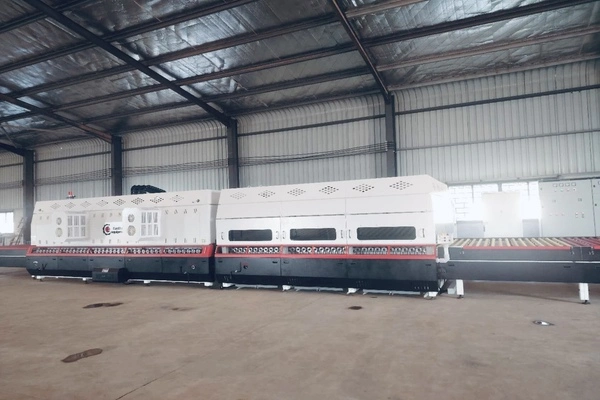
Key Advantages of Convection Flat Glass Tempering Furnaces
Modern glass making plants are putting more and more emphasis on convection technology because it can help them run more efficiently and make more money. These benefits directly address the buying factors that production managers, technical directors, and plant owners in the automobile, architectural, and appliance glass industries have come up with.
Before going into specific benefits, it's important to note that convection technology changes the way heat energy works with glass surfaces in a basic way. This change makes it possible for systems that use radiation to do things that they can't, especially when working with high-tech building materials and thin glass screens.
Enhanced Energy Efficiency and Cost Reduction
One of the biggest ongoing costs for glass heating businesses is the energy they use. When compared to radiation models, convection furnaces with inverter-controlled airflow systems use 10-15% less power because they can change the circulation volume in real time based on the thickness and type of layer on the glass. Our installs at medium-sized architectural glass factories have saved more than $45,000 a year in energy costs, and the return time is usually between 18 and 24 months. Instead of depending on radiant heat to spread out across the furnace room, the high-pressure convection design directs heat exactly where it is needed, wasting less thermal energy.
Superior Temperature Uniformity and Product Quality
Uneven heating stops the differences in temperature stress that break glass while it is being tempered and then handled. The difference in temperature between the top and bottom sides of the glass is evened out by convection systems. This almost completely gets rid of common flaws like roller waves, bending, and spherical distortion. This level of accuracy is very important when making 3mm to 4mm thin architectural lites for modern curtain wall uses, since even small amounts of warping can make fitting tolerances less accurate. Glass makers say that switching from radiation to convection technology increased yields by 8–12%. This directly led to less waste and better profit margins.
Accelerated Production Cycles
Heating time directly limits the amount that can be done each day. Forced convection cuts the time needed for heating by 20–30% compared to systems that only use radiation. For example, a 12 mm architectural glass panel that takes 240 seconds to heat in a radiation oven can be heated in about 170 seconds using convection technology. This time savings raises daily output by 150 to 200 square meters without adding any extra capital to facilities that work multiple shifts. The faster heating is especially helpful for contract glass makers who work with a lot of different businesses and need to be able to make changes quickly and easily.
Simplified Maintenance and Extended Equipment Lifespan
Convection stoves use fewer heating elements that are set up in easier ways. This means that there are fewer parts that need to be inspected and replaced on a regular basis. The clay material used to make convection parts doesn't break down when heated and cooled many times, so they last longer between service visits. Maintenance managers like that new operators can learn basic maintenance and how to fix problems within a week of training. This helps the industry deal with the lack of skilled workers. Studies on the lifetime of equipment show that if you keep your convection systems in good shape, they will work reliably for 15 to 20 years, while radiation heaters with worn-out heating elements only last 10 to 15 years.
All of these benefits make a strong value offer for glass makers who are thinking about upgrading their equipment or increasing their capacity. Lower running costs, better product quality, higher throughput, and less upkeep work all add up to a measurable return on investment that procurement managers can safely show to the top leaders of the company.
Practical Considerations for Choosing a Convection Flat Glass Tempering Furnace
When choosing equipment, it's not just about technical specs; it's also about output needs, budget, and long-term operating strategy. The people who work in procurement have to find a balance between direct capital spending, lifetime costs, and making sure that the company's skills match what the market needs. A Convection Flat Glass Tempering Furnace selection should prioritize long-term capability over initial savings.
Assessing Production Capacity Requirements
The amount of glass that needs to be processed decides the right furnace size and cycle time. Architectural glass makers who make between 800 and 1200 square meters of glass every day usually need furnaces with heating rooms that are at least 2400 mm x 4200 mm. Furniture glass makers who work with smaller pieces might find that 1800mm x 2500mm sizes are cheaper. When it comes to specific product mixes, Easttec lets you change the size of the room and the way the rollers are set up. This way, the equipment fits the way you actually make things instead of making you make practical sacrifices.
Evaluating Return on Investment
The initial cost of convection furnaces is usually 15-20% higher than that of radiation furnaces. This is because they use more modern fan systems and ceramic materials to build them. But for most sites, the savings in energy, higher productivity, and higher yield rates make the investment pay for itself within two years. When procurement managers figure out ROI, they should include the costs that were not incurred because of less broken glass, less upkeep work, and no need to redo work because of quality issues. Easttec's engineering team offers technical help 24 hours a day, 7 days a week. This keeps production from stopping too often, which could mess up shipping schedules and relationships with customers.
Importance of Manufacturer Partnership
The knowledge and support infrastructure of the provider have a big impact on how reliable the equipment is. Manufacturers who have been producing glass for decades, like Easttec's team, which has been in the business for over 30 years, know the problems that production managers face every day. Full installation help, operator training in English, Spanish, Russian, Korean, and Portuguese, and easy access to spare parts logistics are all necessary to keep operations running smoothly. Customizing power systems to meet local electrical standards (220V, 380V, 415V at 50/60Hz) gets rid of compatibility problems that can slow down setup and startup.
Troubleshooting and Maintenance Tips for Convection Flat Glass Tempering Furnaces
For long-term peak performance, you need proactive upkeep plans and organized ways to fix problems. When production managers use structured service plans instead of reactive maintenance strategies, unexpected downtime is 30–40% less likely for a Convection Flat Glass Tempering Furnace compared to reactive setups.
Addressing Common Operational Challenges
When glass particles or coating dust build up in convection nozzles and partly block them, uneven heating patterns can happen. This problem doesn't happen because air delivery pipes are checked and cleaned once a week. Another common worry is temperature sensor drift. The control system accurately shows real glass surface temperatures by verifying the calibration every month using certified reference instruments. If the rate of glass breaking goes up without warning, techs should check the state and position of the ceramic rollers. This is because worn rollers cause stress concentrations during the heating cycle that are caused by friction.
Preventive Maintenance Schedule
Regular maintenance keeps production quality high and extends the life of tools. Every day, they have to check the working of fan motors and visually inspect high-temperature bearings. As part of your weekly duties, you need to clean the convection fans and check the tightness of the roller drive chain. As part of the monthly maintenance, temperature sensors are calibrated, wear patterns on ceramic rollers are checked, and blower impeller sound fingerprints are analyzed. For every three months of service, the heating room must be thoroughly cleaned, the electrical connections must be checked, and energy consumption trends must be recorded to see if efficiency is decreasing.
Optimizing Energy Consumption
Easttec convection stoves have smart automation settings that let you save energy without slowing down production. Inverter-driven fans change the amount of airflow based on the thickness of the glass. Thin panels need less convection strength than thick architectural lites. Scheduling production runs to include groups of similar glass types cuts down on temperature changes and the energy waste that comes with them. Heat recovery devices can use the thermal energy in waste air to warm up new glass before it comes in. This uses even less electricity during times of high production.
Making the Transition: Why More B2B Clients Are Choosing Convection Flat Glass Tempering Furnaces
The global glass production business is more likely to use convection technology as market conditions improve. Manufacturers are moving toward more advanced thermal processing skills because of rules and regulations, customer quality standards, and pressures from competitors. Choosing a Convection Flat Glass Tempering Furnace has become the standard for those seeking to remain competitive in international markets.
In North America and Europe, stricter rules on the environment limit how much energy and pollution factories can use. Convection furnaces help producers meet regulations while keeping up production levels, so they don't have to make expensive building changes or lower their capacity. The technology's low energy use fits with business green goals that big architecture firms now demand from glass suppliers that want to bid on big commercial projects.
As builders ask for high-performance Low-E glazing in energy-efficient building plans, quality standards for the products keep going up. Radiation burners have a hard time meeting the requirements for visual clarity and flatness in these situations. Convection technology is important for glass makers who work with high-end architects to keep their approved vendor standing with major curtain wall builders and glazing system suppliers.
Contract glass makers that offer value-added services are more likely to adopt new technologies that set them apart from their competitors. Competitors who use radiation equipment have to turn down orders for custom coated glass and ultra-thin panels that facilities with convection ovens can accept. This increased ability brings in higher-paying work and builds stronger customer ties by providing more services.
The skills of the supplier have a big impact on the success of the technology shift. Easttec offers full installation services, thorough training programs for operators, and quick technical help through a variety of channels. Because the company has made equipment for many different global markets before, it knows how to customize its products to meet the needs of each area and each business. Capital equipment purchases are easier for mid-sized processors that want to grow thanks to programs that let them buy in bulk and make payments that are more flexible.
Conclusion
Convection Flat Glass Tempering Furnaces are better than radiation-based systems at solving some of the most important problems that modern glass producers face. Superior energy efficiency lowers ongoing costs, and even heating ensures constant product quality that meets strict requirements for architecture and cars. Accelerated production processes boost facility output without requiring more capital investment, and less complicated upkeep needs lower the total cost of ownership over the life of the product. When working with high-performance Low-E glass, thin architectural panels, and custom coated goods that radiation heating can't handle well, these perks come in very handy. Environmental rules are getting stricter, and customers are expecting better quality. Convection technology helps glass makers stay competitive in markets that are changing.
FAQ
Can convection technology improve glass strength compared to radiation heating?
The stress from tempering is spread out more evenly across the surface of the glass when it is heated by convection. This makes the strength performance more constant. The even heat pressure keeps weak spots to a minimum, where stress builds up and threatens the structure's strength. When convection devices are used to soften glass, the surface compression stress consistently goes above 90MPa, which meets international safety standards for use in architecture and cars. The better uniformity also lowers differences in strength between batches of production, which is important for projects that need approved performance proof.
What maintenance schedule ensures optimal convection furnace performance?
Daily eye checks, weekly cleaning of the convection nozzles, monthly calibration of the temperature sensors, and thorough chamber service every three months are all needed for the best performance. High-temperature fan bearings need to be checked once a week for noises or vibrations that don't seem normal. This is a sign of wear. Every month, you should check the ceramic rollers for surface wear or aligning problems that could affect how flat the glass is. This organized method stops sudden breakdowns and keeps product quality standards high throughout the equipment's useful life.
Can convection furnaces handle various glass thicknesses and coatings?
Modern convection systems can heat glass that is 3 mm to 19 mm thick because they have heating patterns that can be programmed and airflow factors that can be changed. The inverter-controlled fans change the level of circulation based on the glass specs put into the multilingual control interface. By changing the flow pressure to make up for the lower radiant heat absorption, low-E surfaces with emissivity values as low as 0.01 can be made to work. Because of this, producers can use a single production line to serve a number of different market groups.
Partner with EASTTEC EQUIPMENT for Advanced Glass Tempering Solutions
With cutting-edge Convection Flat Glass Tempering Furnace technology, EASTTEC EQUIPMENT is ready to help glass producers improve their production. Our engineering team has more than 30 years of specialized experience in thermal processing glass. They are backed by industrial partnerships and a wealth of training materials that they have built up over decades of being leaders in the field. We offer fully customized furnace setups that are designed to meet your unique production needs. We also offer full installation and commissioning services as well as multilingual operator training programs that ensure quick capability deployment. When compared to regular equipment, our convection systems save up to one-third of the energy used by regular equipment and meet CE approval standards. You can talk to our technical experts at sales@easttecmachine.com about your processing needs, set up a virtual equipment display, or ask for full specs from a reliable manufacturer that cares about your business's success.
References
1. Glass Manufacturing Industry Council (2022). "Energy Efficiency Standards for Industrial Glass Thermal Processing Equipment." Technical Report Series on Sustainable Manufacturing Practices.
2. International Association of Glass Processors (2021). "Comparative Analysis of Convection and Radiation Tempering Technologies." Journal of Advanced Glass Engineering, Volume 18, Issue 3.
3. American Society for Testing and Materials (2023). "ASTM C1048: Standard Specification for Heat-Strengthened and Fully Tempered Flat Glass." Annual Book of Standards, Section 15.02.
4. European Committee for Standardization (2022). "EN 12150-1: Glass in Building - Thermally Toughened Soda Lime Silicate Safety Glass." European Standards for Construction Products.
5. Building Science Corporation (2023). "Low-Emissivity Glazing Performance in High-Efficiency Building Envelopes." Research Report on Advanced Architectural Glass Systems.
6. National Glass Association (2021). "Best Practices for Glass Tempering Equipment Selection and Maintenance." Industry Guidelines for Production Facility Management.

USER EVALUATE
Here is the customer's evaluation of us