




What Advantages Does Full Convection Flexible Roller Glass Tempering Machine Offer Manufacturers?
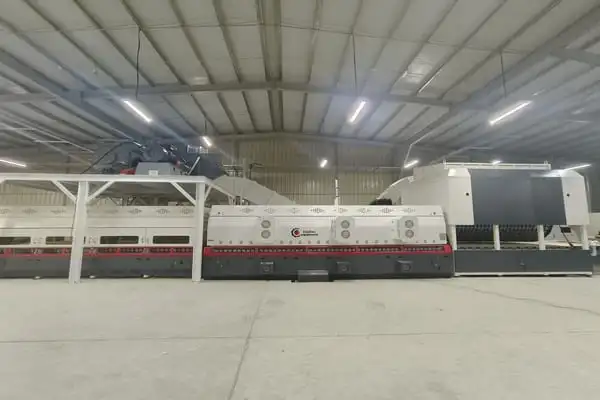
The Full Convection Flexible Roller Glass Tempering Machine gives manufacturers a measurable production edge. By combining forced hot-air circulation with a high-tensile adjustable roller bed, the machine delivers uniform thermal distribution across glass surfaces from 4 mm to 19 mm thick, including Low-E coated and curved profiles. Heating cycles run 30% faster than radiant-only systems, composite insulation cuts heat loss by 20%, and CE certification keeps every processed panel compliant with international safety standards — all factors that directly raise output, lower operating costs, and protect product quality.
Understanding Full Convection Flexible Roller Glass Tempering Technology
Before we talk about the benefits, it's helpful to know what makes this type of equipment different from regular tempering ovens.
What "Full Convection" Actually Means
A high-temperature fan is used for full convection heating to keep hot air moving inside the furnace room all the time. Every part of the glass surface gets the same amount of heat at the same time. This gets rid of the cold edges and hot centers that come from radiant heating alone. This leads to better temperature control (within ±1 °C across the heating bed) and fewer flaws caused by stress during quenching.
How the Flexible Roller System Works
The bendable roller bed has high-tensile rollers that can be adjusted so that the curve angle can be changed without having to replace the molds. This surface can change shape to fit the needed bending radius as the glass moves through the furnace. This design gets rid of the mechanical stress that stiff rollers put on curved panels, which makes edge chipping and surface waviness much less noticeable.
Why the Combination Matters
When forced-air heating and an adjustable roller transport system work together, the machine can make cylinder curtain wall panels, car side windows, and refrigerator display doors, among other architecturally complex shapes, at speeds that fixed-mold or batch systems just can't match. EASTTEC's convection technology is based on more than 30 years of experience working with glass and technical standards for convection parts in Italy.
Key Advantages for Manufacturers Using This Technology
When manufacturers in the building, car, appliance, and solar glass industries switch to convection-based flexible roller tempering, they see real benefits. The main benefits of this tool that make it worth looking at are in bold:
- Low-E Coating Protection: The advanced top-convection system penetrates the thermal barrier of coated glass without oxidizing the film. The Full Convection Flexible Roller Glass Tempering Machine supports Low-E glass with emissivity as low as 0.01, which is a specification that most radiant furnaces struggle to process cleanly.
- 30% Faster Heating Cycles: High-pressure convection delivers heat to the glass surface at a rate that cuts cycle time by approximately 30% compared to radiant-only models. This directly increases daily furnace throughput without adding shift hours or labor.
- 20% Reduction in Heat Loss: High-density composite insulation panels line the furnace chamber, reducing heat dissipation by around 20%. Lower heat loss translates directly into lower monthly electricity consumption — a significant saving given that glass tempering is one of the most energy-intensive processes in glass manufacturing.
- 4 mm to 19 mm Thickness Range: The machine processes decorative thin glass and heavy-duty structural panels within one platform. Operators switch between product specifications using saved recipes on the IPC and PLC control interface rather than physical reconfiguration.
- CE-Certified Structural Safety: Every panel processed by this machine meets the structural integrity requirements for heavy-duty architectural applications. CE certification also satisfies the documentation requirements for international project tenders.
The two problems that producers most often talk about are uneven quality and high energy costs. These benefits solve both of those problems. Together, they make an ROI profile that shows that the investment was worth it in a short amount of time.
Comparison with Traditional and Other Glass Tempering Machines
Procurement teams can make better decisions when they know how this technology stacks up against other choices.
Batch Furnaces
In batch systems, glass is loaded and unloaded in separate cycles. Throughput is naturally limited, and how evenly the temperature is distributed depends a lot on how the operator loads the system. For factories that get mixed-spec orders every day, the break between cycles means they lose a lot of capacity.
Rigid Roller Systems
Rigid roller kilns are good at working with flat glass, but they put stress on curved panels. Because the roller geometry is fixed, each bending radius needs its own mold set. This makes the cost of tools and the time it takes to switch them out higher. "Roller wave" is another name for optical distortion. It's more noticeable on covered glass in fixed systems than in flexible roller designs.
Full Convection Flexible Roller Systems
This group blends the continuous-feed efficiency of roller furnaces with the ability to bend shapes without using molds. The initial cost is higher than a basic batch furnace, but within the first two to three years of operation, factories that make curved architectural glass, automotive profiles, or Low-E panels usually make up the difference in cost through less breakage, less mold inventory, and lower energy costs.
Applications and Industry Use Cases
The machine's versatility makes it relevant across several glass processing sectors.
Architectural and Curtain Wall Glass
Skyscraper curtain walls and structural facades require cylindrical and multi-radius curved panels with tight optical tolerances. The flexible roller bed produces these shapes without mold changes, keeping lead times short for project-driven orders.
Automotive and Specialty Vehicle Glass
Modern vehicle designs increasingly specify complex curved side windows and rear screens. The Full Convection Flexible Roller Glass Tempering Machine maintains consistent tempering stress across curved profiles, which is an essential requirement for passing automotive safety impact tests.
Appliance, Furniture, and Solar Glass
Oven doors, refrigerator display cases, shower enclosures, and photovoltaic cover glass all require precise, repeatable tempering. The IPC and PLC control interface stores individual heating and bending recipes, so operators can switch between product categories quickly — a practical solution for factories serving multiple industries simultaneously.
Maintenance, Best Practices, and Supplier Selection
A high-output tempering furnace needs planned upkeep and a provider that can really help with technical issues in order to keep working properly.
Routine Maintenance Priorities
Three jobs directly impact the accuracy of the radius and the quality of the surface: checking the tightness of the flexible rollers on a regular basis, calibrating the servo motors that control the curve, and checking the high-temperature blower bearings on a regular basis. EASTTEC gives factories detailed maintenance schedules and remote diagnostic support so they can fix small problems before they stop production.
Operator Training
A menu that is available in English, Spanish, Russian, Korean, Portuguese, and other languages makes it easy for new operators to learn how to do daily tasks and basic maintenance in just one week. When experienced workers leave, many companies run the risk of having a skills gap. This lowers that risk.
Choosing the Right Supplier
When choosing a Full Convection Flexible Roller Glass Tempering Machine supplier, make sure they have CE certification, a clear delivery timeline (EASTTEC's standard range is 60–120 working days depending on specification), and technical support that is available 24 hours a day, 7 days a week. Before signing a purchase agreement, factory tours and live equipment demonstrations are still the most reliable ways to make sure that the product will actually work.
Conclusion
This technology clearly helps manufacturers who work with curved, coated, or multi-specification glass in terms of both production and money. Faster heating processes, lower energy use, mold-free bending flexibility, and quality standards that meet CE standards are not just marketing claims; they are real results that can be measured and are linked to specific engineering choices made when the Full Convection Flexible Roller Glass Tempering Machine was designed. This type of tempering furnace is a good choice for companies that want to buy new equipment with a 5- to 10-year production plan because it increases throughput, saves energy, and can make more products.
FAQ
1. What glass thickness range does this machine handle?
The machine can successfully work with glass that is 4 mm to 19 mm thick. On the thin end of this range are decorative internal panels, and on the thick end are heavy-duty structural architecture glass. This means that one platform is enough for most mixed-production settings.
2. How does forced convection protect Low-E coatings?
Instead of direct infrared radiation, the top-convection system moves heat around by moving hot air around. This way of heating coated glass is more even, and it doesn't expose certain areas to high temperatures, which is what makes the film oxidize. As low as 0.01 emissivity can be used on the machine without damaging the finish.
3. Can the bending radius change between production runs?
Yes. The PLC interface stores many bending recipes, and operators can digitally call them up. The flexible roller geometry can be changed without having to replace the mold physically. This makes changeover time and tooling costs much lower than with fixed-mold systems.
4. What certifications does the machine carry?
The machine is fully CE approved and meets the tempering standards set by EN 12150 and SGCC. This gives you the proof you need for foreign project bids and safety compliance checks.
5. How long does installation and commissioning take?
Installation and commissioning times depend on the layout and specifications of the factory, but EASTTEC's engineering team supports the whole process on-site and offers ongoing online technical support 24 hours a day, 7 days a week after handover.
Ready to Upgrade Your Tempering Line? Contact EASTTEC EQUIPMENT
Since 1994, EASTTEC EQUIPMENT has been a supplier of heat processing equipment for glass. Our Full Convection Flexible Roller Glass Tempering Machine manufacturer can make both standard and fully personalized machines. Our team is ready to help you whether you need a straight price, a technical specification sheet, or to set up a factory display. To start a discussion, email us at sales@easttecmachine.com. We're excited to help you reach your output goals with equipment that is built to last.
References
1. Glass Service, Inc. — Advances in Glass Tempering Technology: Convection Heating Systems, Glass Industry Journal, 2021.
2. Pilkington Technology Management Ltd. — Thermal Processing of Low-Emissivity Coated Glass, Glass Technology: European Journal of Glass Science and Technology, 2019.
3. Glass Association of North America (GANA) — Tempering Quality Standards and Testing Methods, GANA Tempering Division Technical Paper, 2022.
4. Arean, C.O. et al. — Thermal Stress and Fracture Behavior in Tempered Architectural Glass, Journal of the European Ceramic Society, 2020.
5. European Committee for Standardization — EN 12150-1: Glass in Building — Thermally Toughened Soda Lime Silicate Safety Glass, CEN Standard Publication, 2019.
6. U.S. Department of Energy — Energy Efficiency in Industrial Glass Manufacturing Processes, Office of Industrial Technologies Report, 2021.

USER EVALUATE
Here is the customer's evaluation of us