




Top Convection Toughening Equipment Supports High-Precision Glass Production
In the competitive landscape of glass manufacturing, Top Convection Flat Glass Toughening Equipment has emerged as the heartbeat of modern, high-clarity architectural glass production. This advanced thermal processing system uses forced convection technology to circulate heated air uniformly across glass surfaces, solving critical challenges that traditional radiation furnaces cannot address—particularly when processing high-performance Low-E coatings with emissivity as low as 0.01. By employing a sophisticated upper-air convection mechanism, this equipment eliminates optical distortion, prevents coating damage, and delivers glass so flat it resembles crystal-clear air, making it indispensable for architectural, automotive, and appliance glass manufacturers seeking precision and efficiency.
Introduction
In the glass industry today, quality, energy efficiency, and production speed are what set companies apart from their competitors. Architectural glass makers, auto glass suppliers, and appliance glass makers are under more and more pressure to make perfect products while dealing with rising energy costs and a lack of skilled workers in the US and other countries. Traditional radiation-based tempering ovens have trouble with high-performance coated glass because they often create temperature inconsistencies that cause the glass to break, distort the view, and require expensive repairs.
This is where Top Convection Flat Glass Toughening Equipment comes in handy. This equipment makes sure that heat is absorbed evenly, no matter how reflective the coating is or how thick the glass is, by replacing radiant heat transfer with precisely controlled hot air circulation. The end result is consistent tempering quality, less energy use, and faster cycle times. This gives production managers and factory owners the dependability and efficiency they need when they buy expensive equipment with long lead times and high ROI stakes.
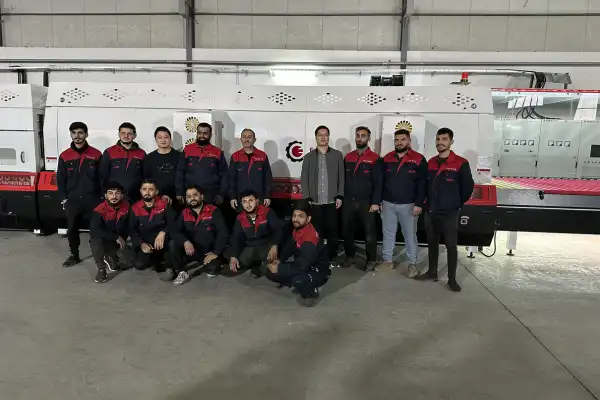
Understanding Convection Flat Glass Toughening Technology
The Science Behind Convection Heating
High-temperature fans push hot air onto the surface of the glass to heat it to between 620°C and 700°C. This is how convection toughening works. Instead of using infrared radiation, which is reflected by reflective Low-E surfaces, forced convection moves heat straight through air molecules that touch the glass. This gets around the "heat shield" effect that makes coated products heat up unevenly.
There are three important steps in the process. When the glass is being heated, ceramic rollers move it through a furnace room where precisely controlled convection vents send hot air at the right pressures and angles. Real-time temperature sensors change the flow of air to make sure the glass core gets the right temperature for tempering without heating up the top layers too much. The next step is rapid quenching, which uses high-pressure air jets to cool the outside of the glass while keeping the inside hot. This creates compressive surface stress, which is what makes tempered glass strong. As the glass thickness, coating type, and size requirements are met, clever control software handles the heating curves, convection strength, and cooling rates for the whole system.
Key Components Driving Performance
Several specialized parts are used in advanced Top Convection Flat Glass Toughening Equipment. High-temperature ceramic fans can work continuously at very high temperatures and keep the airflow steady for years without breaking down. The convection nozzles can be adjusted to be exactly above the glass, and the pressure changes based on real-time thermal feedback that is controlled by an inverter. Insulation made of ceramic fibers keeps heat in and automated recipe control systems keep track of parameters for various glass specifications. This lets operators switch between production runs without having to re-calibrate everything by hand. With these combined technologies, what used to be an art that only skilled techs could do is now a repeatable, data-driven process that operators can learn in just one week.
Convection Toughening vs Traditional and Alternative Methods
Heating Uniformity and Quality Outcomes
Infrared energy from traditional radiation furnaces is absorbed by glass because it is sensitive to that wavelength. During the making of double-silver or triple-silver Low-E glass, the metallic coating blocks up to 90% of radiant heat. This means that workers have to either make heating processes last longer or raise the temperature of the furnace, both of which can damage the surface and waste energy. The center of the glass, which is touching cooler ceramic rollers, doesn't get treated enough while the edges get too hot. This causes the dreaded "soft center" effect, which weakens the pattern of fragmentation and the resistance to impact.
This problem is completely solved by Top Convection Flat Glass Toughening Equipment. Through conduction and turbulent mixing, hot air can get into coating layers and provide heat where radiant methods fail. Independent testing shows that Low-E glass made by convection has a center-to-edge temperature difference of less than 5°C, compared to 25–40°C in radiation ovens. This means that the fragmentation patterns meet the strict EN 12600 standards, and the number of particles always exceeds the minimum levels across the whole surface of the glass. After switching to convection technology, architectural glass companies that make floor-to-ceiling curtain wall panels say rejection rates dropped from 8–12% to less than 2%.
Energy Efficiency and Production Economics
Comparing how much energy something uses shows complex trade-offs. Convection blowers use more electricity—usually 15- 20 kW for medium-capacity systems—but the heating cycles are much shorter, which cancels out this extra use. In a radiation furnace, it takes 240 seconds to temper a normal 6mm Low-E panel. With forced convection, it only takes 165 seconds, which is a 32% cycle decrease. This increase in speed saves 45 to 60 minutes per shift, which means that three shifts handling 300 lites every day can make one more run without having to pay extra for overtime. Even though blowers use a lot of power, total energy use per square meter often drops by 10 to 15 percent. As flow goes up, per-unit energy costs go down even more.
Top Convection Flat Glass Toughening Equipment in 2024: Features and Comparisons
Innovation Highlights in Current Equipment
For 2024, some of the world's best makers have added some really cool new features. Adaptive convection profiling uses machine learning techniques to find the best heating patterns based on past data. It does this by automatically adjusting for changes in the glass's makeup and temperature. Multi-zone temperature control splits furnace chambers into sections that can manage their own temperatures, making them perfect for working with mixed loads of different thicknesses. Some systems have a laser thickness measurement built in that talks to the convection controls. This means that there are no more setup mistakes when moving between 4mm ornamental lites and 12mm appliance panels.
Improvements in materials have made reliability a lot better. Ceramic parts that can withstand temperatures up to 1300°C keep them from wearing out, and frequency-drive-controlled fans with ceramic bearings can run for more than 20,000 hours without needing any major repair. These improvements to longevity directly address the concerns of maintenance managers about the uptime of equipment, which is very important because unplanned downtime during busy building seasons can put hundreds of thousands of dollars worth of delivery promises at risk.
Performance Benchmarks and Specifications
The current Top Convection Flat Glass Toughening Equipment can handle glass thicknesses ranging from 3 mm to 19 mm while still maintaining the same flatness standards. It's important for furniture glass makers that roller wave distortion is less than 0.08 mm and edge lift is less than 0.1 mm, even on thin 4 mm panels. These are the specs that are needed for seamless tabletop installs. Optimizing the cooling cycle can reach quench pressures of up to 5500 Pa, which causes surface compression of more than 95 MPa in normal situations and 50 MPa for heat-strengthened versions used in solar panel covers.
The size of the boiler affects how much it can produce. Small systems that work well for custom fabricators can handle 400 to 600 square meters per eight-hour shift, while industrial lines that work with architectural glass contractors can handle 2,500 to 3,500 square meters every day. The lengths of heating chambers range from 4.8 meters to 12 meters, so they can fit everything from standard home windows to huge 3.3 x 6 meter commercial facades.
Procurement Guide: How to Source the Right Convection Flat Glass Toughening Equipment
Evaluating Manufacturer Credibility
When purchasing managers look at different sources, they should give more weight to companies that have experience with convection technology. EASTTEC EQUIPMENT has been in business since 1994 and uses European-standard quality management methods along with 30 years of experience heating glass. They chose to use Italian convection technology because they believe in using tried-and-true engineering methods instead of experimental ones that pose risks to production.
Parts sourcing needs to be looked at as part of technical due diligence. Ceramic materials rated below 1100°C will need to be replaced more often, which will raise the total running costs. Blower systems that don't have inverter control don't optimize energy, which is needed to make the investment worthwhile by saving money on utilities. Buyers should ask for specifics on the design of the convection nozzle, such as the range of adjustments and the response time, because these determine how easily the nozzle can be used with new product lines.
Customization and Installation Considerations
Glass makers use a wide range of electrical grids around the world, so it's important that their power systems work with others. Good suppliers can change the voltage levels (220V, 380V, or 415V) and work with either 50Hz or 60Hz frequency standards without affecting the performance. Translation of the user interface is only one part of software localization. Other parts include reporting legal compliance and using measurement units that are specific to the area. EASTTEC EQUIPMENT has operation menus in English, Spanish, Russian, Korean, and Portuguese. This gets rid of the language hurdles that make teaching operators take longer.
Installation times depend on how complicated the equipment is. From the time an order is confirmed until it is delivered, standard convection furnaces take 60 to 90 working days. Larger custom configurations can take up to 120 days. Smart planning for buying things makes sure that the changes to the building and the arrival of new equipment happen at the same time. This way, the electrical infrastructure, compressed air systems, and exhaust ventilation all meet manufacturer requirements before the deliveries. Full installation help includes base plan drawings, utility connection diagrams, and commissioning help where techs stay on-site until production meets performance standards.
After-Sales Support and Training Programs
Operator knowledge and training have a direct impact on the reliability and performance of Top Convection Flat Glass Toughening Equipment. Leading suppliers of Top Convection Flat Glass Toughening Equipment provide structured training programs that cover daily operation procedures, parameter adjustments for different glass types, routine maintenance practices, and basic troubleshooting methods. Through professional training programs, new operators can quickly become familiar with the operation of Top Convection Flat Glass Toughening Equipment, helping manufacturers overcome skilled labor shortages that affect many glass production markets. Comprehensive support services, including 24-hour technical assistance, ensure that production issues with Top Convection Flat Glass Toughening Equipment can be addressed quickly, reducing unexpected downtime and protecting manufacturing efficiency. For production managers, investing in Top Convection Flat Glass Toughening Equipment with strong training and technical support provides greater operational confidence, improved productivity, and long-term equipment reliability. The combination of advanced technology, professional guidance, and responsive service makes Top Convection Flat Glass Toughening Equipment a valuable choice for modern glass processing facilities.
The availability of spare parts should be carefully negotiated in contracts. Heating elements, convection fan bearings, and temperature monitors are all important wear parts that should be kept in stock locally or shipped quickly. Most warranties cover major parts for 12 to 18 months. You can get longer coverage through service agreements that include preventative maintenance visits and faster access to parts.
Maintenance and Optimization for Long-Term Performance
Establishing Preventive Maintenance Routines
Sticking to repair plans is important for keeping equipment working well. As part of daily tasks, roller surfaces must be visually checked for glass residue buildup, the level of vibration in the convection fan must be confirmed, and temperature profile data must be looked over for any oddities that could mean sensor shift. As part of weekly protocols, the roller bearings are oiled, the thermocouple connections are checked, and the openings of the convection nozzles are cleaned to keep airflow from being slowed down.
As part of regular monthly deep maintenance, temperature controllers are calibrated against reference standards, emergency shutdown systems are tested, and ceramic fiber insulation is checked for damage or compression. These tasks, which might not seem important, stop the slow loss of performance that hurts tempering quality. A furniture glass manufacturer in Michigan showed that regular monthly calibration kept fragmentation test results within the acceptable range for 36 months in a row, while a competitor who didn't follow similar procedures saw quality drift that required expensive re-certification testing every 18 months.
Parameter Optimization Strategies
Even equipment that has been well taken care of can benefit from tuning every so often. Fine-tuning convection profiles can make machines even more efficient as workers get better at using certain glass goods. For instance, lowering the strength of convection during the last 30 seconds of cooking 8 mm clear glass saves energy without hurting quality. This improvement was found by conducting a series of controlled experiments. In the same way, changing the temperature of the quench air on a seasonal basis accounts for changes in the environment and keeps cooling rates constant all year.
Taking steps to save energy makes equipment more valuable than its original efficiency rating. Recovering waste heat from exhaust streams to heat the building in the winter, planning production so that most runs happen when electricity rates are low, and using quick product changes to cut down on idle heating are all things that can help lower running costs. These strategies are in line with the return on investment (ROI) criteria that factory owners use to decide what to buy when they are looking at capital equipment investments.
Conclusion
Top Convection Flat Glass Toughening Equipment is more than just a tool for making things; it's a strategic edge in markets that demand perfect quality and operating excellence. This technology gives production managers, technical directors, and factory owners the all-around value they're looking for by solving the problems that keep coming up with Low-E glass processing, getting rid of optical distortion, lowering energy costs, and increasing throughput. The equipment can handle different types of glass with uniform quality, which meets the needs of making a lot of different products. It's also easy to use and maintain, which helps when there aren't enough skilled workers. As performance standards rise in the architectural, automobile, and appliance glass industries, companies that use modern convection tempering systems gain the competitive edge they need to grow and make money in the long term in tough foreign markets.
FAQ
Can convection equipment process both coated and uncoated glass effectively?
These days, Top Convection Flat Glass Toughening Equipment works great with both types of products. The airflow profiles can be changed so that workers can choose the best settings. For example, higher convection strength is best for Low-E coatings that block radiant heat, and moderate settings are best for clear glass. Automatic recipe control saves these settings, which lets production go from one step to the next without having to be recalibrated by hand or sacrificing quality.
How does forced convection reduce energy costs compared to infrared heating?
Even though convection fans use more electricity, the heating cycles are much quicker, which more than makes up for it. When processing times are cut by 25–32%, less overall energy is used per glass panel, even when the blower is taken into account. Precise heat delivery also cuts down on thermal overshoot, which loses energy, and inverter-controlled systems change the power in real time, so radiation heaters don't have to run at full power all the time.
What warranty coverage and technical support do manufacturers provide?
Major parts like heating systems, convection fans, and control electronics come with 12 to 18 months of warranties from reputable makers. EASTTEC EQUIPMENT offers technical support for their products 24 hours a day, 7 days a week, both by phone and online. This means that customers can get fast help with problems no matter what time zone they are in. Operators can handle routine issues on their own with the help of thorough training programs and detailed maintenance records. They know that they can easily get help from experts for more difficult issues.
Partner With a Proven Convection Equipment Manufacturer
Glass makers who want to improve their production skills are welcome to look at all of EASTTEC EQUIPMENT's convection tempering options. Our engineering team combines 30 years of experience working with glass with Italian convection technology to make equipment that meets CE certification standards and can be customized for voltage systems, production parameters, and software languages. Our systems offer the precise flatness control, energy efficiency, and coating compatibility that define market-leading quality, whether they are working with architectural curtain walls, automotive safety glass, or appliance parts. Contact our experts at sales@easttecmachine.com to talk about your unique processing needs and find out how finding the right Top Convection Flat Glass Toughening Equipment provider can change the cost of your production and the quality of your products.
References
1. Glass Processing Technology Quarterly, "Advances in Convection Tempering Systems for Coated Architectural Glass," Volume 28, Issue 3, 2023.
2. International Journal of Glass Science, "Comparative Analysis of Heat Transfer Mechanisms in Glass Tempering Processes," Published by The American Ceramic Society, 2024.
3. Society of Glass Technology Annual Conference Proceedings, "Energy Efficiency Innovations in Industrial Glass Thermal Processing," Sheffield, United Kingdom, 2023.
4. Building Glass Safety Standards Committee, "EN 12600 Compliance Testing for Convection-Tempered Low-E Glass Products," European Standards Publication, 2024.
5. Automotive Glass Manufacturers Association Technical Bulletin, "Tempering Process Optimization for Advanced Vehicle Glazing," Detroit, Michigan, 2023.
6. Renewable Energy Glass Applications Symposium, "Thermal Processing Requirements for Photovoltaic Cover Glass," International Solar Energy Society, 2024.

USER EVALUATE
Here is the customer's evaluation of us