




Radiation Precision Flexible Roller Flat & Bent Glass Tempering Line Ensures Consistent Glass Quality
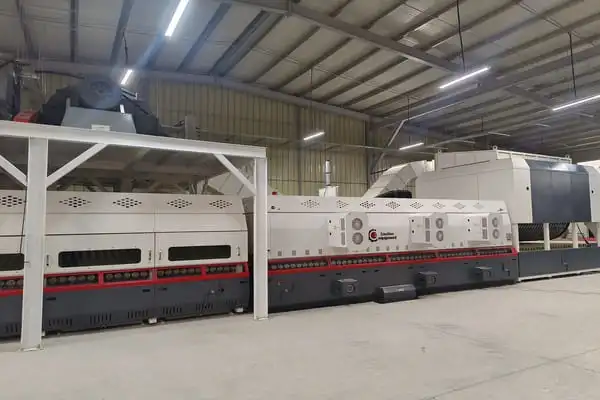
If you run a glass processing facility, you already know that quality consistency is not optional — it is the baseline. The Radiation Precision Flexible Roller Flat & Bent Glass Tempering Line addresses exactly that challenge. This system processes both flat architectural panels and high-curvature bent glass using Easttec's multi-zone matrix radiant heating technology, delivering temperature accuracy within ±1°C across the full furnace width. Whether you produce curtain wall glass, automotive side windows, or curved appliance panels, this line gives you a single platform capable of handling glass from 5mm to 19mm with measurably lower energy consumption and fewer defects.
Understanding Radiation Precision Flexible Roller Glass Tempering Technology
What Makes This Technology Different
With traditional rigid-roller furnaces, manufacturers can only use one shape. The flexible roller flat and bent glass heating line gets around that problem by using a high-strength flexible shaft system that can be adjusted to fit bending angles between 400mm and 3000mm. As a result, there is one piece of equipment that can handle both flat and curved orders without having to be retooled for a long time.
How the Heating System Works
Easttec's multi-zone matrix radiant heating splits the heater into temperature zones that can be controlled separately. Each zone aims for a specific temperature, which makes sure that the whole sheet of glass receives heat at the same rate. When heat isn't distributed evenly, "ghosting" (the tiny roller lines that show up on finished glass) is directly stopped by this method, which also keeps optical distortion within the highest quality standards.
Step-by-Step Process Flow
Controlled radiant heating, bendable roller rolling, and fast quench cooling are the three main steps in the process. The Industrial PC (IPC) and PLC interface keeps an eye on parameters in real time at every step. Operators can save and quickly remember hundreds of production recipes. This cuts the time it takes to switch between flat and bent runs to less than 15 minutes.
Comparing This Tempering Line with Traditional and Alternative Technologies
Rigid Systems vs. Flexible Roller Architecture
Standard tempering ovens use ceramic or steel wheels that stay in place. They work well with flat glass but not so well with complex curves, so factories have to keep different tools for bent glass. The flexible roller design combines both functions into a single line, which lowers the cost of capital and the amount of floor space needed.
Here are some key performance indicators that show how the two approaches compare:
- Bending range: Fixed-roller systems typically support a limited set of preset radii. The flexible roller system supports custom radii from 400mm to 3000mm, giving architectural and automotive glass processors the freedom to accept more project types.
- Energy efficiency: High-density composite insulation in the Easttec design reduces heat loss by 20% compared to traditional furnace models. Over a full production year, that difference translates into a significant reduction in electricity costs.
- Changeover speed: Switching from flat to bent production on a traditional Radiation Precision Flexible Roller Flat & Bent Glass Tempering Line can take several hours. The IPC-driven recipe system on this line completes the same transition in under 15 minutes, protecting daily output targets.
These differences in performance are most important for buying managers who have to figure out the total cost of ownership over the lifetime of a piece of equipment over 10 years and production managers who have to meet tight delivery dates.
Compatible Glass Types and Industry Applications
The system can work with clear float glass, tinted glass, and patterned glass. It works best with types that aren't coated, but the radiation precision control can also be set up to work with high-performance coats to keep them from firing too much. Some important areas where it is used are on the outside of buildings, on the windows of cars (compliant with ECE R43), and on high-end appliance panels that need to look good and be resistant to thermal shock.
Operating and Maintaining the Radiation Precision Flexible Roller Tempering Line
Core Operating Parameters
On a single screen, the IPC interface shows the live furnace temperature, the speed of the conveyor, and the quench pressure. Once the operators set the settings, they save the recipe and then get it for every run with the same glass specifications. New operators usually learn how to do everything within a week. This directly solves the problem of a lack of skilled workers that affects many glass production plants in North America.
Routine Maintenance Schedule
If you work in a high-precision production environment, you should have the Radiation Precision Flexible Roller Flat & Bent Glass Tempering Line calibrated automatically once a week. Every six months, there should be a full mechanical audit that checks the roller tension, the state of the heating elements, and the stability of the insulation. Following this schedule protects the uptime of the equipment and makes it last longer.
Troubleshooting and Energy Best Practices
A difference in temperature between zones is the most typical reason why finished glass has visual distortion. All temperature data is recorded by the IPC, which lets techs find the damaged area in minutes instead of hours. When it comes to energy, keeping the furnace's load steady instead of running in batches makes sure that the insulation works at its best and that the least amount of energy is used.
Procurement Considerations for This Glass Tempering Line
Lead Time and Customization
Delivery time for customized capital equipment ranges from 60 to 120 working days, based on how the model is set up. Easttec can adapt power systems to work with 220V, 380V, and 415V at 50/60Hz, as well as other global voltage and frequency standards. The sizes of the equipment, the heating curves, the cooling parameters, and the language of the software (among others, English, Spanish, Russian, Korean, and Portuguese) can all be changed to fit the needs of the factory.
CE Certification and Global Compliance
Because the Radiation Precision Flexible Roller Flat & Bent Glass Tempering Line is made to CE standards, it meets the requirements for sale to the US, Europe, and most other places in the world. When buyers are looking at tempering furnace providers, CE certification is a must-have that guarantees both safety engineering and process accuracy.
ROI and Value Assessment
Together, the 20% drop in thermal energy loss and the elimination of a different line for bent glass make two separate cost-saving streams. When procurement professionals figure out the equipment's return on investment, they should take into account both the direct energy savings and the saved capital cost of a second furnace.
Conclusion
The Easttec flexible roller glass tempering Radiation Precision Flexible Roller Flat & Bent Glass Tempering Line makes it easy for glass processors to keep the quality of both flat and bent glass the same. Its adjustable roller design, IPC recipe management, and 20% energy savings all work together to lower both the number of defects and the cost of running the machine. With this line, factories that make glass for architecture, cars, appliances, or furniture can handle all of the different product specifications on a single platform. This method is worth a close look if you want to buy new tools that will give you consistent quality and lower running costs.
FAQ
1. How does radiation heating differ from convection heating?
Radiation heating targets the glass surface directly through high-intensity elements, giving the system precise control over heat absorption rate. This reduces the risk of premature surface damage on thin glass and improves uniformity compared to convection-dominant systems.
2. What is the minimum bending radius this line can achieve?
Depending on the configuration and glass thickness, the flexible roller system typically achieves a minimum bending radius of 400mm for 4mm glass while maintaining high optical quality.
3. How long does it take to switch between flat and bent production?
The PLC control system adjusts the flexible roller bed position and tempering parameters automatically. The transition typically takes under 15 minutes.
4. Can this line process tinted or patterned glass?
Yes. The system is compatible with clear float, tinted, and patterned glass. It is optimized for non-coated varieties, and the radiation control can be tuned for certain coated glass types as well.
5. What quality standards does the finished glass meet?
The tempering process meets EN 12150 and ASTM C1048 standards for fragmentation density and mechanical strength, which are the primary benchmarks required by North American and European buyers.
Request a Quote from EASTTEC EQUIPMENT Today
Since 1994, EASTTEC EQUIPMENT has helped glass makers, and our engineering team knows how hard it is for you every day in the factory. As a reliable Radiation Precision Flexible Roller Flat & Bent Glass Tempering Line maker, we make sure that each unit meets the exact voltage, capacity, and language needs of your business. To get a technical proposal and price list, email our sales team at sales@easttecmachine.com.
References
1. Glass Technology: European Journal of Glass Science and Technology Part A, Society of Glass Technology, 2022.
2. ASTM C1048: Standard Specification for Heat-Strengthened and Fully Tempered Flat Glass, ASTM International, 2018.
3. EN 12150-1: Glass in Building — Thermally Toughened Soda Lime Silicate Safety Glass, European Committee for Standardization (CEN), 2015.
4. Automotive Glazing and Windshield Technology, SAE International, 2021.
5. Energy Efficiency in Industrial Furnaces and Thermal Processing Equipment, U.S. Department of Energy — Office of Industrial Technologies, 2020.
6. Glass Processing Technology and Market Trends in North America, BCC Research, 2023.

USER EVALUATE
Here is the customer's evaluation of us