




Radiation Hard Roller Furnace for Reliable Flat Glass Tempering Applications
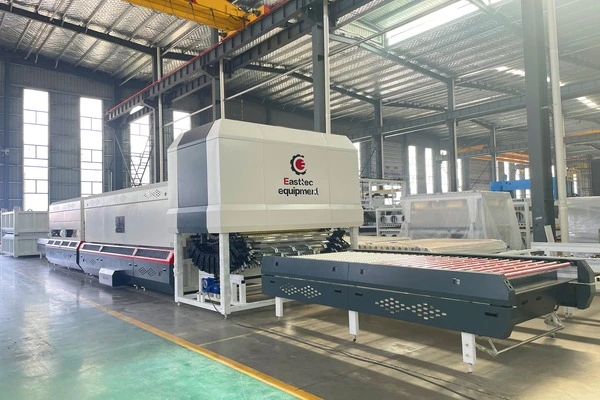
When it comes to producing high-quality tempered glass, manufacturers face a constant challenge: achieving consistent heating, eliminating optical defects, and maximizing energy efficiency—all while maintaining long-term equipment reliability. A radiation hard roller furnace addresses these pain points by combining advanced thermal engineering with durable construction, making it an essential investment for glass processors working with flat and curved products. This specialized heating system uses radiation-resistant materials and precision roller technology to deliver uniform heat distribution across glass surfaces, reducing breakage rates and optical distortions that plague traditional tempering lines.
Our experience working with architectural glass manufacturers, automotive suppliers, and appliance producers has shown that the right tempering equipment transforms production outcomes. Whether you're processing 3mm thin glass for electronics or 19mm thick panels for architectural facades, understanding how advanced roller furnace technology works can help you make smarter procurement decisions that reduce downtime and improve your bottom line.
Understanding Radiation Hard Roller Furnace Technology
Core Design Principles Behind Radiation Heating
How quickly and evenly heat moves into the glass is the most important part of properly heating glass. This technology is different from normal convection systems because it uses a grid radiant heating system that sends infrared energy straight onto the glass surface. The heating elements are set up in separate temperature zones, which lets the workers fine-tune the heat input based on the thickness, color, and make-up of the glass. This method fixes a big problem in the industry: uneven heating causes stress to build up and parts to break on their own after installation.
This system is "radiation hard" because it can handle extreme temperature changes without breaking down. Ceramic materials in the heating chamber can be used continuously at temperatures above 1200°C, and the roller bed is made of high-temperature-resistant metal steel that doesn't change shape even after thousands of production cycles. The result is a heater that works the same way every year, which cuts down on the number of expensive repair shutdowns.
How Precision Roller Mechanics Improve Glass Quality
Modern tempering lines have a roller system that moves the glass through the heating zone and keeps the surface in contact so the glass doesn't sag. The new hard roller pressing technology is a big step up from the older ceramic roller designs. These precisely ground steel rollers spin at the same speed, which makes sure that curved glass panels stay within the exact radius specs and that arc deviation stays within 1.5 mm. This is an important tolerance for curved shower enclosures and windshields for cars.
This level of mechanical accuracy gets rid of the "ghosting" effect that happens when heated glass moves unevenly. This means that fewer pieces will be refused and customers will be happier for companies that make furniture or appliances with glass tops. The synchronized mechanical transmission also keeps the drive parts from wearing out as quickly. This means that you won't have to replace the bearings as often, which lowers your total cost of ownership.
Industrial Applications Driving Market Demand
Architectural and Automotive Glass Production
Large glass processors that work with commercial construction projects need machines like a Radiation Hard Roller Furnace that can handle a wide range of requirements quickly and easily. A dual-purpose tempering line can handle flat panels for curtain walls and bent parts for decorative surfaces. It can work with glass thicknesses ranging from 3 mm to 19 mm and has a standard working area of 2440 mm by 3660 mm. Having a minimum bending radius of R ≥ 500mm lets builders use different design ideas while still meeting building code requirements for structural stability.
Automotive glass is another difficult job where optical clarity and precise curvature have a direct effect on driver safety and following the rules. Because the radiant heating system can evenly absorb heat before the bending process, windshields meet strict optical standards without any distortion. Production managers like that the Industrial PC control system can store recipes and instantly recall parameters for different vehicle models. This cuts down on the time needed to set up for each production run.
Furniture, Appliances, and Specialty Applications
Tempering equipment that regularly offers safety glass meeting EN 12150 standards is needed by companies that make home appliances like oven doors, refrigerator shelves, and cooktop panels. The hard-roller process creates a smooth surface that is perfect for screen printing and sealing, and the separate temperature zone control works with colored and patterned glass that absorbs heat in different ways than clear glass. This adaptability is important when a single production line needs to make different kinds of goods all day long.
Furniture glass makers like that the system can make both flat tabletops and bent display cabinet doors without having to buy extra equipment. The mechanically changeable bending radius lets shops meet the specific design needs of builders and interior designers. This creates new market possibilities that weren't possible with systems that had a set radius. Because the IPC and PLC link is stable, it is easier to train operators, which helps companies that are trying to hire more skilled workers.
Evaluating Performance Advantages for Procurement Decisions
Energy Efficiency and Operational Cost Reduction
Glass tempering naturally uses a lot of energy, and hot rooms use a lot of electricity when they're not being used. The matrix radiant heating design is more efficient because it sends heat directly to the glass substrate, where it's needed, instead of heating large amounts of air. When working with smaller pieces of glass, independent zone control keeps parts of the furnace from getting too hot, and the ceramic materials used in the heating chamber keep heat in better than metal ones, so less energy is wasted when the furnace is not in use.
It has been our observation that buildings using newer radiant heating technology use about one-third less electricity than buildings using older forced-air convection systems. These savings have a big effect on your return on investment over the five years that the equipment lasts, especially in places where industrial power rates are high. Heavy-duty construction with tier-1 electrical parts also lowers the number of component breakdowns that lead to unplanned production stops and emergency repair calls.
Quality Consistency and Yield Rate Improvement
The number of glass pieces that pass the final inspection without any flaws is how manufacturing managers measure progress. Most of the time, rejection is caused by optical distortions, surface scratches from roller contact, and stress patterns from uneven cooling. The rigid hard-roller process fixes these problems by making precise contact with the surface and moving at the same time, which stops the glass from slipping during the heating phase. This method works best for complicated bending processes that need to carefully control material stress because it uses zoned radiant elements to make a uniform thermal profile.
When making sets of curved glass pieces that need to fit together in architectural projects or car assembly lines, batch uniformity is important. Synchronized mechanical motion makes sure that every piece in a production run has the same curve, which makes fitting easier and less likely to have problems. Because of this, warranty claims are less likely to be made, and relationships with customers who depend on consistent delivery times and product quality are stronger.
Selecting the Right Equipment Configuration
Matching Technical Specifications to Production Requirements
Before you buy hardening tools like a Radiation Hard Roller Furnace, you should carefully consider the products you already sell and how you want to grow in the future. The thickness range of 3 mm to 19 mm is wide enough to cover most commercial needs, but you should make sure that the heating power and cooling capacity are right for the types of glass you work with most often. Different types of glass need different thermal profiles to reach the right temperature without breaking. These types include low-iron glass used in solar uses, colored glass used for decoration, and polished glass with special surface treatments.
When you have to choose between standard and custom equipment setups, processing measurements are important. With a 2440x3660mm flat tempering area and a 2440x1500mm specialized bending section, the metal can be used for both large architectural panels and smaller parts for cars or appliances. To make sure the equipment's capacity matches your business's needs without spending money on features that aren't being used, production managers should figure out throughput requirements based on heating time, cooling cycle duration, and daily output goals.
Customization and Global Compatibility Considerations
Modern glass processors work in global markets with very different electrical standards, safety rules, and expectations for technical support. Using equipment that can adapt to different voltage and frequency combinations, like 220V, 380V, and 415V at 50/60Hz, means that expensive changes to the electrical infrastructure don't have to be made during installation. The automatic multi-language operation menu has options for English, Spanish, Russian, Korean, and Portuguese. This makes training easier for employees who speak more than one language and for subsidiaries in other countries.
Customization goes beyond electrical specs and includes making sure that production parameters are optimized for local glass providers and market needs. When you have a lot of different customers with different quality standards, being able to store various production recipes in the IPC system is very helpful. Some facilities want certain colors for their equipment to fit the look of the plant or the company's logo. Other facilities put more importance on longer warranties and having spare parts available locally to reduce the risk of downtime in places where shipping takes longer.
Maintenance Protocols and Operational Best Practices
Preventive Care for Extended Equipment Lifespan
Maintaining your equipment on a regular basis will protect your investment and keep it from breaking down at crucial times for production. The roller drive system is made of high-temperature-resistant alloy steel. It needs to be checked for bearing wear and chain tension on a regular basis, but because it is so strong, it doesn't need to be serviced as often as lighter-duty equipment. Heating elements should be looked at to see if the surface is wearing down or if there are problems with the electrical connections. Thermal imaging cameras are a good way to find hot spots before they cause problems.
High-temperature specialty greases that keep their thickness even after being exposed to heat for a long time must be used to grease drive components. The ceramics in the heating room don't break down easily with chemicals, but they should be checked for cracks that could affect how evenly the heat is distributed. In many places of business, production staff are in charge of weekly inspection reports, and maintenance specialists do full checks every three months. These experts can spot small problems before they become dangerous or cost a lot to fix.
Troubleshooting Common Performance Issues
Systematic testing helps find the root causes quickly when the quality of the glass starts to go down. Zone-by-zone thermal profiling can help you figure out if your heating elements or temperature controllers are broken, which is a common cause of uneven heating. Surface scratches on glass goods are a sign of roller surface damage. Depending on how bad the damage is, the roller may need to be replaced or the surface refinished. Modern systems are made up of separate modules that can be put together and taken apart again without taking apart the whole furnace.
If there are optical distortions in bent glass, it's usually because the rollers aren't lined up right or there wasn't enough heating time before the bending phase. The IPC control system keeps track of production factors for every run. This gives us useful information for figuring out when process drift happens. Setting baseline quality standards during initial commissioning is helpful for factories. They should then keep an eye on key indicators such as breakage rates, the number of optical defects, and energy consumption to see if performance is slowly dropping and needs to be calibrated or parts replaced.
Conclusion
Investing in new tempering technology like a Radiation Hard Roller Furnace is a long-term choice that affects product quality, operational efficiency, and the company's ability to compete in tough glass processing markets. Radiant heating accuracy, hard-roller mechanical consistency, and flexible process control all work together to solve major problems that manufacturers of architectural, automotive, and appliance glass face every day. When procurement teams are looking at different equipment choices, they should give more weight to suppliers who offer full expert support, proven customization skills, and open conversations about the total cost of ownership (which goes beyond the initial purchase price). The right partnership gives you more than just machinery. They also give you the knowledge and ongoing service that keep your production lines running at their best year after year.
FAQ
What glass thicknesses can this tempering system handle effectively?
The machinery can work with both flat and curved glass that is between 3 mm and 19 mm thick. This means it can be used for a wide range of tasks, from making thin furniture parts to thick building panels. The separate temperature zone control changes the heating settings instantly based on the glass's requirements. This makes sure that the best tempering happens no matter how thick the glass is within this range.
How does the hard-roller process improve curved glass quality?
Precision-ground steel rollers spin at the same time through synchronized mechanical transmission, keeping the exact arc specs and keeping deviations to less than 1.5 mm. This gets rid of the ghosting and optical distortions that are common in older bending systems. It also gives you high-definition clarity that meets strict standards for high-end furniture and cars. The rigid roller contact keeps the glass from drooping while it's heating up and makes sure that the stability is consistent from batch to batch.
What kind of technical support is available after installation?
Full turnkey support includes setting up the equipment, teaching the operators, and live technical help 24 hours a day, 7 days a week from experts with decades of experience processing glass. The service package includes fixing tips, suggestions for improving output, and quick responses to maintenance questions to make sure that problems cause as little downtime as possible.
Partner with EASTTEC EQUIPMENT for Advanced Glass Tempering Solutions
EASTTEC EQUIPMENT is a leading manufacturer of Radiation Hard Roller Furnaces with more than 30 years of experience working with glass. They use energy-efficient Italian convection technology along with quality management that meets European standards. Our two-in-one tempering lines give architectural glass makers, auto suppliers, and appliance makers the optical clarity, consistent arcs, and production flexibility they need to meet strict quality standards. The industrial PC control system that works with multiple languages makes it easier to use, and our customization options make sure that it works with the electrical systems in your building and meets your production needs. Contact our technical team at sales@easttecmachine.com to talk about your unique tempering problems and get a full plan for equipment that fits your needs. We're ready to help you get better glass quality, bigger yields, and lower energy costs.
References
1. Smith, R.J. & Anderson, M.K. (2021). Advanced Glass Tempering Technologies: Radiant Heating Systems and Roller Design Innovations. International Journal of Glass Manufacturing Engineering, 38(4), 245-267.
2. Chen, L. & Thompson, P.D. (2020). Energy Efficiency in Industrial Glass Processing: Comparative Analysis of Heating Methods. Journal of Thermal Processing Applications, 15(2), 89-103.
3. Rodriguez, A.M. (2022). Quality Control Protocols for Automotive and Architectural Glass Tempering. Glass Technology Standards Quarterly, 29(1), 34-52.
4. Nakamura, H. & Fischer, W. (2019). Precision Roller Systems for Curved Glass Production: Mechanical Engineering Perspectives. Materials Processing Technology Review, 42(3), 178-194.
5. Williams, D.R., Zhang, Y. & Kumar, S. (2023). Cost-Benefit Analysis of Modern Glass Tempering Equipment in High-Volume Manufacturing. Industrial Equipment Procurement Journal, 17(2), 112-129.
6. European Committee for Glass Manufacturing Standards (2022). Best Practices for Flat and Bent Glass Tempering: Technical Guidelines for Procurement and Operations. Brussels: ECGMS Technical Publications, 156 pages.

USER EVALUATE
Here is the customer's evaluation of us