




How to Select the Right Radiation Flat Glass Tempering Furnace for Large-Scale Production
One of the biggest purchases that glass manufacturers have to make is picking the right thermal processing tools. Choosing the right tempering technology has a direct effect on product quality, energy costs, and the ability to compete in the market when production needs to be scaled up to meet rising demand in the car, architectural, or gadget sectors. A Radiation Flat Glass Tempering Furnace is a tried-and-true, low-cost way to get regular output of safety glass while controlling electricity use and making upkeep easier. Procurement teams can make decisions that are good for long-term profits and market positioning if they know the technical specs, performance standards, and service infrastructure that set high-end Radiation Flat Glass Tempering Furnaces apart from basic models.
Understanding Radiation Flat Glass Tempering Furnaces
Radiation Flat Glass Tempering Furnaces use electric heating sources placed above and below the glass surface to transfer infrared heat. Radiation Flat Glass Tempering Furnaces use electromagnetic waves to send heat straight to the glass, while forced convection types use ceramic blowers to move hot air around. This basic difference affects how evenly the heat is distributed, how much energy is saved, and how well different types of glass work with the heater.
How Radiation Heating Technology Works
The heating room has several separate areas, and each one has high-performance electric elements. As the ceramic rollers move the glass through the furnace, they give off infrared light that goes through the glass and raises its temperature to around 620–700°C. Modern models use matrix radiant heating with separate PID controls for each zone. This lets the temperature be precisely adjusted to account for changes in glass thickness, color absorption, and the environment. This zoned control makes sure that the critical phase change temperature is reached evenly across the whole glass sheet. This stops visual distortion and mechanical stress concentrations.
Key Advantages for Large-Scale Manufacturing
For high-volume makers, Radiation Flat Glass Tempering Furnaces have a number of practical perks that are important. Not having high-temperature blowers cuts down on the starting cost of the machine and makes upkeep easier. The average amount of energy used by normal clear glass is between 3.5 and 5 kWh per square meter. Newer designs can cut this by 15-20% by improving insulation and airflow. The equipment will be up and running for longer because it has fewer moving parts, which means fewer places where it could break. Production managers like how easy it is to use and how new users can do professional work within a week of training. This helps sites that are having trouble finding skilled workers.
Technical Specifications That Matter
When looking at Radiation Flat Glass Tempering Furnaces, there are a number of factors that affect how flexible they are for production and how well they work. The width that can be processed should be between 3 mm and 19 mm so that it can be used in architecture, furniture, and other specialties without having to change the tools. The largest glass size is limited by the machine's working measurements. The best models can handle loading areas up to 3300 × 6000 mm for big panels while still keeping precision at 50 × 100 mm for smaller parts. Heating evenness, found by using thermal imaging and optical distortion tests, shows how well the system keeps the surface flat and reduces roller waves to a level that is okay for stress distribution.
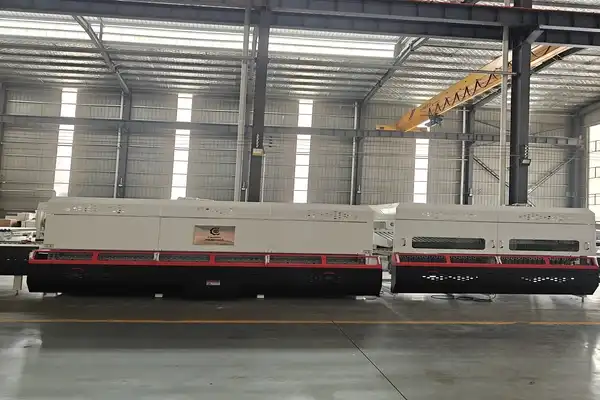
Core Criteria for Selecting the Right Radiation Flat Glass Tempering Furnace
Getting the right tools means finding a mix between short-term performance needs and long-term operational concerns. Return on investment is based on service infrastructure, customization options, and total cost of ownership. Technical specs lay the groundwork.
Production Capacity and Throughput Requirements
Compare your current demand with how you think it will grow in the future. Continuous operation is best for making standard architectural glass with conveyor systems, while batch setups give you more options for making mixed product runs, which are popular in the furniture and appliance industries. Figure out the needed output in square meters per hour, taking into account the fact that heating times change depending on the thickness of the glass. Due to longer heating processes, a heater that is supposed to heat 500 square meters per hour at 5mm might only heat 300 square meters at 12mm. Instead of relying on theoretical maximums, make sure that the capacities mentioned fit the mix of products you are selling.
Energy Efficiency and Operating Cost Impact
In most areas, electricity costs make up 30 to 40 percent of tempering operating costs. When compared to standard Radiation Flat Glass Tempering Furnace models, equipment that cuts use by 15-20% offers real cost benefits that grow over the 20-year lifespan of the equipment. Don't just believe the big claims about how efficient something is; learn how things like high-density insulation, improved airflow paths, and smart temperature tracking help to lower power draw. Ask for proof of the kilowatt-hour per square meter for glass sizes that fit your output profile. When comparing different priced tools, you should think about how much energy it will use over five years. Often, a cheaper original investment ends up being more expensive as operational waste builds up.
Maintenance Accessibility and Service Support
When equipment breaks down, it directly affects transportation plans and relationships with customers. Check to see what kind of upkeep is needed for important parts like heating elements, control systems, and ceramic blades. Premium systems are made up of separate modules that can be quickly replaced without stopping production for long periods of time. Make sure that the seller keeps spare parts in stock in your area and gives technical help 24 hours a day, 7 days a week, with the ability to do diagnostics remotely. Companies with well-established service networks can send out experts or offer real-time fixing advice, which keeps delays to a minimum and saves money. Carefully read over the warranty terms to make sure that they cover more than just basic production flaws. Make sure that they also include performance promises for things like heating uniformity and energy consumption standards.
Compliance with Industry Standards and Safety Regulations
The tools you use to temper glass must have international safety and quality certifications that are important to your market. CE marking means that the product meets European standards for health, safety, and the environment, and ISO 9001 approval means that the company manages the quality of its production. Check that the design of the furnace meets the fragmentation testing standards needed by building codes in the areas you want to sell to. This will make sure that the tempered product always meets the minimum stress levels of 69 MPa. Electrical systems should meet the voltage and frequency standards in the area. High-end setups should use top-of-the-line parts from companies like Siemens and Schneider that are designed to work reliably in harsh industrial environments.
Comparing Radiation Flat Glass Tempering Furnaces with Other Furnace Types
Knowing how Radiation Flat Glass Tempering Furnace technology is different from other methods makes it clear when each one is the best choice. There isn't a single best way to temper glass for every production situation, but knowing the trade-offs between efficiency makes it easier to choose the right tools.
Radiation Versus Convection Heating Performance
Ceramic fans move hot air across the surfaces of glass in forced convection systems. This makes heat transfer faster and better compatible with reflective Low-E coatings. But this speed benefit comes at the cost of more complicated mechanics, more frequent maintenance, and a bigger initial investment. When visual clarity is most important, Radiation Flat Glass Tempering Furnaces work best with clear float, tinted, and artistic printed glass. The steady, expected heating profile keeps edge stress changes to a minimum and lowers the rate of breaking during cooling. When you compare similarly designed current systems, you can see that different technologies use about the same amount of energy. However, Radiation Flat Glass Tempering Furnace designs are more efficient because they make managing airflow easier and lose less heat.
Traditional Equipment Versus Modern Radiation Models
In the past, Radiation Flat Glass Tempering Furnaces only had one zone of heating settings that had to be adjusted by hand for each type of glass. Modern designs include temperature control for multiple zones that work independently, as well as automatic recipe management. This lets workers switch between product types with the touch of a button. This change in technology has turned Radiation Flat Glass Tempering Furnaces from hard-to-use machines that needed skilled techs to easy-to-use tools that even entry-level workers can use to do professional work. Advanced PID controls keep an eye on how heat is distributed across dozens of zones at the same time, making small changes to keep the heating even even if the glass's transmission properties change or the temperature changes in the room.
Conveyor Versus Batch Processing Configurations
Continuous conveyor systems handle glass sheets one after the other without stopping between rounds, which increases throughput for standard goods. This method works well for companies that make a lot of building glass and want to make sure that all of the pieces are the same size and shape. Multiple pieces can be loaded into a batch kiln at the same time, which allows for mixed production runs with pieces of different sizes and thicknesses. Batch setups that allow for frequent specification changes without losing heating quality are helpful for furniture and device glass processors. When choosing between these two operational models, you should look at how often you get orders and how different your products are. Facilities that process fewer than five different specifications every day usually get better equipment utilization with conveyor designs, while facilities that run complex job shops benefit from batch flexibility.
Procurement Guide: How to Source the Best Radiation Flat Glass Tempering Furnace
To choose a provider and negotiate a contract, you need organized evaluation criteria that go beyond the specs of the equipment and include things like the ability to provide service and the possibility of a long-term relationship.
Identifying Reputable Manufacturers and Suppliers
Give more weight to suppliers who have recorded knowledge in the field that spans multiple market cycles. Businesses that have been around for 20 years or more have improved their ideas by dealing with production problems in the real world and gained technical knowledge that younger businesses don't have. Check the history of installations in a number of different regional markets. Suppliers with more than 300 machines in use in more than 60 countries have shown that they can adapt to different power systems, legal settings, and operating conditions. Ask for customer examples from facilities that process similar goods at similar volumes. During the calls, focus on how quickly service is provided, how easy it is to get parts, and how well the equipment works compared to the original specs. Certifications in the field and membership in trade groups are two more ways to show trustworthiness.
Key Negotiation Points and Customization Options
Standard equipment setups rarely meet the needs of a specific spot without being changed. Make sure the provider can work with different types of power systems, such as those that use voltages between 220V and 415V and frequencies that work with both 50Hz and 60Hz electrical infrastructure. Talk about customizing the production parameters for your specific ranges of glass thickness and make sure that the heating profiles and cooling algorithms work best for your mix of materials. Software interface language options are important for foreign business. The best systems handle English, Spanish, Russian, Korean, Portuguese, and other languages that make training easier. Talk about getting turnkey project management that includes planning the setup of the plant, supervising the installation, teaching the operators, and testing the performance.
Evaluating Total Cost of Ownership
The price of the tools is only one part of the expense. Figure out the total cost of ownership over a reasonable time frame of use, which for quality Radiation Flat Glass Tempering Furnaces is usually 15 to 20 years. Think about the costs of yearly care, such as replacing heating elements and cleaning ceramic wheels every three to six months. Changes in energy use of 0.5 kWh per square meter add up to big price differences when production numbers reach more than 500,000 square meters per year. Reliable equipment has a direct effect on how well workers do their jobs and how happy customers are. For example, boilers that are up 95% or more of the time save money on overtime and delivery fees compared to systems that need to be fixed often. To make accurate cost models, you should ask for specific repair plans and the prices of spare parts during the evaluation process.
Case Studies and Best Practices in Large-Scale Radiation Flat Glass Tempering
Implementation examples from the real world show how strategic equipment choice and operational efficiency lead to measured business results.
Architectural Glass Manufacturing Success
A mid-sized architectural glass maker in the southeast of the United States had to deal with rising energy costs and problems keeping the quality of their work consistent because their tempering equipment was getting old. The plant chose a Radiation Flat Glass Tempering Furnace with improved insulation design and multi-zone matrix heating after looking at a number of technologies. Within six months of installation, the business saw an 18% drop in energy use compared to the old equipment, and zebra testing procedures showed that the optical quality had also improved. The simple control interface made it easier for operators to learn quickly, cutting the time it took to learn from three weeks to five days. This made production more flexible during times of the year when demand changes.
Optimizing Heating Cycles for Mixed Production
It can be hard for glass producers that serve a lot of different types of customers to find a good balance between production efficiency and product variety. A company that makes furniture glass set up automatic recipe management that keeps heating settings for more than 50 different requirements. Through a tablet interface, operators choose the right mix, and the system changes the zone temperatures, conveyor speeds, and cooling settings without any further input from the operators. This improvement cut down on the time it took to set up between production runs from 45 minutes to less than 10 minutes. The breakup test results stayed the same for glass thicknesses ranging from 4mm to 12mm. Because the plant became more efficient, it was able to take smaller orders and still make a profit. This allowed them to get more customers without having to lower their per-unit rates.
Lessons from Operational Challenges
Early users of Radiation Flat Glass Tempering Furnace technology sometimes found white haze flaws in the middle of treated glass. An investigation showed that the bottom ceramic rollers kept too much heat, which was then transferred back into the glass while it was cooling. This problem was fixed by changing the Radiation Flat Glass Tempering Furnace radiation profile with zone-specific temperature changes. This shows how complex control systems can solve problems in material handling. These events show how important it is to choose suppliers with quick technical help that can figure out why a process isn't working right from afar and suggest changes that will fix the problem based on operational data collected from hundreds of sites around the world.
Conclusion
To choose the right Radiation Flat Glass Tempering Furnace, you need to think about how well it will work technically, how efficiently it will run, and how well it will support long-term business success. Radiation Flat Glass Tempering Furnaces are a reliable way to make clear, colored, and patterned glass while keeping energy costs low and upkeep easy. Making sure that equipment capabilities are in line with business goals requires a careful analysis of production capacity needs, energy-saving standards, and provider service capabilities. Structured evaluation criteria, total cost of ownership analyses, and checks on seller experience in a range of markets and uses all help the buying process. Modern Radiation Flat Glass Tempering Furnaces give companies that make building, furniture, and appliance glass the tools they need to grow and make money when they are properly set up and supported.
FAQ
What temperature range does a radiation flat glass tempering furnace typically operate within?
During the tempering process, these systems heat glass to between 620°C and 700°C. The exact temperatures depend on the thickness, makeup, and stress qualities that are wanted. Multi-zone control methods let you change the temperature in different parts of the heater to account for changes in how much heat is absorbed.
How does energy consumption compare between radiation and convection tempering equipment?
Modern Radiation Flat Glass Tempering Furnaces use between 3.5 and 5 kWh per square meter of normal clear glass. Newer designs can cut this amount by 15-20% by improving the insulation. When working with shiny surfaces, convection systems are about as efficient as other systems. However, they need more energy to run their high-temperature blowers, which could cancel out any gains.
What safety features should procurement teams prioritize when evaluating tempering furnaces?
Important safety features include automatic shutdown systems for temperature problems, roller jam recognition to keep glass from building up, emergency stop controls that can be reached from multiple user positions, and electrical systems that meet local safety standards for industrial use. CE approval and following the rules for ISO quality management provide basic safety guarantee.
Can radiation tempering systems process Low-E coated glass effectively?
Normal Radiation Flat Glass Tempering Furnaces can easily work with high-emissivity Low-E glass that has an E value greater than 0.1. However, Radiation Flat Glass Tempering Furnaces aren't as good for high-performance soft coat Low-E products because they need convection-assisted heating to get past the reflecting coating's resistance to infrared energy absorption.
Partner with EASTTEC EQUIPMENT for Your Glass Tempering Solutions
Our experience as a Radiation Flat Glass Tempering Furnace manufacturer spans more than 20 years of constant innovation. We have completed more than 300 successful installations in more than 60 countries, working with architects, automakers, and product glass manufacturers. We are experts at making energy-efficient systems that keep the optical quality high while cutting costs by 15 to 20 percent. This is done by using multi-zone matrix radiant heating with separate PID control. EASTTEC EQUIPMENT uses top-notch parts from Siemens and Schneider to make sure stable production 24 hours a day, seven days a week. They also offer full turnkey services that cover everything, such as planning the layout of the plant, remote diagnostics, and expert help in multiple languages. Get in touch with our sales team at sales@easttecmachine.com to talk about unique solutions that meet your needs for production capacity, material specs, and budget, along with equipment that is designed to give you a clear return on your investment.
References
1. Peterson, J., & Williams, R. (2021). Advanced Glass Processing Technologies: Principles and Applications in Industrial Manufacturing. Technical Publishing International.
2. Chen, L. (2020). "Energy Efficiency Optimization in Radiation Glass Tempering Systems," Journal of Industrial Thermal Processing, 45(3), 178-192.
3. Morrison, K. (2022). Glass Tempering Equipment Selection Guide for Production Managers. Manufacturing Equipment Research Institute.
4. Association of Glass Processors. (2023). Industry Standards for Tempered Glass Quality Control and Testing Protocols. AGP Technical Documentation Series.
5. Schmidt, H., & Yamamoto, T. (2021). "Comparative Analysis of Radiation and Convection Heating in Glass Thermal Processing," International Glass Manufacturing Review, 38(2), 94-111.
6. Reynolds, M. (2023). Total Cost of Ownership Analysis for Capital Equipment in Glass Manufacturing. Industrial Procurement Press.

USER EVALUATE
Here is the customer's evaluation of us