




How to Compare Different Radiation Flat Glass Tempering Machines?
As a production manager, technical head, or plant owner in the glass processing business, one of the most important choices you'll have to make is which tempering tools to use. When looking at Radiation Flat Glass Tempering Machines, it is important to know how they use infrared electromagnetic wave heating to turn tempered glass into safety glass with a high strength. Radiation Flat Glass Tempering Machines use high-density electrical heating elements placed above and below the glass to give controlled thermal energy. This is different from convection systems, which use forced air flow. This comparison guide will show you the most important scientific, operational, and financial factors that you need to think about when choosing radiation tempering tools for making glass for buildings, cars, appliances, or furniture.
Understanding Radiation Flat Glass Tempering Technology
An interesting way to heat treat glass is through radiation tempering, which uses infrared heat transfer instead of rapid air movement. There are Ni-Cr alloy elements in the heating room that transfer heat directly onto the glass surface, heating it evenly to temperatures between 680°C and 720°C. This is done quickly by quenching the air, which causes a surface compression stress of more than 90 MPa.
Key Machine Components and Their Functions
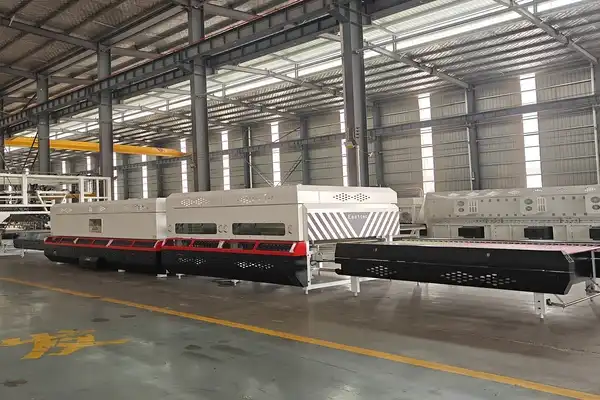
Modern radiation burners have a number of important parts that work together to decide how well the whole thing works. The heating room has radiant elements grouped in a grid. Each zone has its own PID temperature regulator that controls the temperature. High-quality ceramic rollers move the glass through the kiln at precisely controlled speeds, and improved nanofiber insulation keeps heat from escaping. In the quenching area, air nozzles are placed in a way that locks in the compression surface stress. The nozzles cool the material quickly and evenly. Siemens or Schneider make industrial-grade PLC systems that control the whole thermal cycle and store recipe data for different types and sizes of glass.
Differentiation from Convection Tempering Methods
Radiation systems are great at working with clear float glass, colored glass, and some online-coated items because they don't need the complicated high-temperature fans that convection furnaces do. Radiation furnaces are great for uses where visual clarity is important, like furniture glass and architectural glass, because the gentler heating profile creates better optical quality with minimal surface distortion. But convection methods usually give you more options for working with soft-coated Low-E glass and dealing with big changes in thickness during the same production run.
Benefits for Energy Efficiency and Glass Quality
In some production situations, radiation cooling has measured benefits. When handling standard float glass between 4mm and 12mm thick, the lack of forced air movement cuts energy use by about 15-20% compared to older convection designs. The planned pattern for heat transfer reduces temperature differences on the glass surface, which lowers optical distortion and raises standards for flatness. Without high-temperature ceramic blower parts that need to be inspected and replaced on a frequent basis, maintenance needs drop by a lot.
Core Criteria for Comparing Radiation Flat Glass Tempering Machines
When you look at hardening equipment, you need to look at a lot of technical and business factors that have an effect on the quality of the product, the cost of running it, and the return on your investment.
Performance Indicators That Define Quality Output
In terms of efficiency, heating consistency is the most important factor. Advanced matrix radiant heating systems with separate PID control for each zone keep the temperature difference across the glass surface to within ±5°C. This stops stress and optical distortion issues. The amount of glass that can be processed at once varies on both the length of the heating cycle (usually 40 to 50 seconds per millimeter of thickness) and the size of the filling bed. These days, Radiation Flat Glass Tempering Machines can work with glass that is 3mm to 19mm thick. The largest panels they can handle are 3300 × 6000mm, but they can still handle small pieces as small as 50 × 100mm.
Energy use has a direct effect on how profitable an operation is. Power needs are cut by 15-20% compared to older designs when equipment uses better insulation materials and places heating elements more efficiently. This means big saves over the machine's 20-year or longer life span. When handling different types of orders, production freedom is important. Look for machines that can quickly switch between recipes for different types and thicknesses of glass by using parameter sets that have already been written and saved in the control system's memory.
Automation Capabilities and Control Systems
Modern radiation tempering lines have industrial PLC platforms that let you remember recipes with just one keystroke. This means that even new workers can handle complex thermal profiles with the same level of professionalism. Real-time tracking of zone temps, conveyor speeds, and quenching pressure should be possible through the control interface. Historical data logging should also be possible to keep track of quality. Multilingual menu systems, such as those that work in English, Spanish, Russian, Korean, and Portuguese, make it easier to install and train operators in factories around the world.
Safety Features and Industry Compliance
International safety standards must be met by all equipment. These include ISO 12150-1 for curved safety glass, ASTM C1048 for heat-treated flat glass, and CE approval for safety in electrical and mechanical areas. Integrated safety features should include overheat protection, emergency stop systems, and entry doors that can't be used when they're open. When toughened glass breaks on contact, it must be tested using standard procedures to make sure that the particles are spread out in the right way.
Total Cost of Ownership Considerations
The real economic picture can be seen by going beyond the initial capital spending. Radiation systems usually have lower maintenance costs than convection systems because they don't have high-temperature fans that need to have their bearings and impellers inspected often. The length and breadth of a warranty show how confident the maker is in the reliability of the equipment. Leading providers offer full coverage for key components for multiple years. When practical problems happen, having access to after-sales technical help, especially 24/7 remote diagnostics, keeps production downtime to a minimum.
Comparing Radiation Flat Glass Tempering Machines with Alternative Technologies
Knowing how radiation tempering compares to other heat processing methods can help you choose the right technology for your business needs.
Radiation Versus Convection Tempering Systems
To transfer thermal energy, convection furnaces move hot air through ceramic heating elements. This gives them more options for working with Low-E covered glass and a wider range of thicknesses in a single production run. The visual quality of clear and colored float glass is better with radiation systems, which use less energy and are easier to maintain. The choice depends on how your product mix is put together. Radiation technology is cost-effective and easy to use, which is good for companies that make building safety glass, furniture parts, and device panels. Even though they cost more to buy and run, facilities that work with a variety of unique glass types, such as soft-coated goods, need to be able to use convection systems.
Automated Versus Manual Operation Models
Fully automatic Radiation Flat Glass Tempering Machines have loading systems, thickness recognition sensors, and synced conveyor controls that make them as efficient as possible while reducing the need for workers. Manual loading setups require trained workers and slow down output, but they require less money up front. The amount of yearly production, the cost of labor in the area, and the level of uniformity that is wanted all affect the breakeven figure. High-volume makers who make standard architectural glass goods usually get their money back in 18 to 24 months by saving on labor costs and lowering the number of mistakes.
How to Select the Best Radiation Flat Glass Tempering Machine for Your Business Needs
Matching the specs of the tools you need with the needs of your business will ensure the best performance and return on your investment.
Aligning Equipment Capacity with Production Volumes
Figure out how much output you need each day by taking into account the time it takes to heat up, load and unload, and the actual rate at which the equipment is being used. Under normal production conditions, an 8-mm glass machine that works for 350 seconds per cycle and makes panels of medium size gives 180 to 220 square meters per eight-hour shift. Size equipment 20–30% bigger than what it needs to handle now to allow for growth and keep its freedom during times of high demand. Compatibility between glass types is very important. Make sure that the tools you're interested in can handle the full range of thicknesses of the glass you work with, including clear float, tinted, and artistic printed glass. Some Radiation Flat Glass Tempering Machines work best for certain thickness ranges, giving up flexibility for specialized greatness.
Evaluating Supplier Reputation and Support Infrastructure
The track record of a supplier shows how reliable their equipment is and how good their service is. Established makers with more than 20 years of experience and more than 300 sites around the world can show that their technology works and that they have the knowledge to deal with a wide range of production problems. When you visit a factory, you can see for yourself how well the products are made, how the parts are sourced, and how skilled the expert team is. To get an idea of how well the product works in the real world, ask for examples from customers in the same business and area.
Customization Options for Regional Requirements
Compatibility with the local power grid makes sure that the connection goes smoothly. Premium providers can work with voltage and frequency standards from around the world, such as 220V, 380V, and 415V at 50Hz or 60Hz. Customizing production parameters lets you get the best results for your glass goods and quality standards. The heating curves, cooling pressure profiles, and speed ranges for the conveyor should be changed to fit the needs of your process. Language localization for technical documents and control system interfaces makes it easier to train operators and lowers communication problems during installation completion.
Case Studies and Performance Reviews of Leading Radiation Flat Glass Tempering Machines
The real-world results of execution show the real benefits of investing in strategic tools.
Energy Savings and Operational Efficiency Outcomes
In the US, a medium-sized architecture glass maker got rid of old convection equipment and replaced it with new radiation tempering technology that has better insulation and zone control. Even though production grew, monthly electricity use dropped by 18%. At current industrial power rates, this saved more than $47,000 a year in energy costs. The easier upkeep requirements freed up expert staff to work on projects that would boost productivity instead of fixing broken equipment when it broke down.
Customer Testimonials on Quality and Reliability
Furniture glass makers always say that the optical quality gets better when they switch to new radiation systems with precise ceramic rollers and synced drive mechanisms. Zebra board optical testing procedures show that roller wave distortion falls below the international tolerance levels. Breakage of glass during production drops by 30–40% as temperature consistency gets better and thermal stress concentrations get smaller. Production managers like how stable the operations are. If the equipment is properly kept, it can work 24 hours a day, seven days a week, for years without needing major repairs.
ROI Analysis and Maintenance Best Practices
Total cost of ownership estimates that include lower defect rates, less energy use, and lower upkeep costs usually show that investments in radiation tempering pay for themselves in 3.5 to 5 years. Maintenance plans that include regular checks of the heating elements, the surfaces of the ceramic rollers, and the tuning of the control systems make equipment last longer than 20 years while still meeting the original performance standards. Facilities that use regular maintenance practices report that their equipment is available 98% of the time or more, which keeps service promises and customer relationships safe.
Conclusion
To choose the best Radiation Flat Glass Tempering Machine, you need to weigh your production needs against technical performance, operating economics, and provider support capabilities. When making a purchase decision, the best ones focus on even heating and precise temperature control, energy efficiency that saves money, equipment dependability backed by a strong service network, and the ability to be customized to meet the needs of your region and product. By carefully checking potential machines on these factors and working with well-known companies that offer tested equipment and quick technical support, you can give your business a long-term competitive edge through better glass quality, more efficient operations, and lower production costs.
FAQ
What Maintenance Differences Exist Compared to Convection Systems?
In convection designs, high-temperature fans need to have their bearings oiled, their impellers inspected, and their ceramic housings replaced. Radiation burners don't need these parts. Monitoring the state of the heating element, checking the ceramic roller surface, and making sure the electrical connections are solid are the main tasks of maintenance. Replacement intervals for components are usually 40–50% longer than those for convection versions. This means that less spare parts are needed and upkeep work costs are lower.
What Factors Most Significantly Influence Equipment Pricing?
The cost of a machine is directly related to its working area, the number and complexity of its heating zones, its level of automation, and the quality standards for its parts. The cost of buying equipment with high-quality Siemens or Schneider technology is higher, but it is more reliable and lasts longer. Customization needs, such as specific voltage setups, software language choices, and non-standard loading measurements, raise prices. Installation, setup, and training for operators usually take up 8–12% of the total project cost.
Can Radiation Systems Process All Flat Glass Types?
Radiation Flat Glass Tempering makes clear float, colored, and hard-coated Low-E glass work better in thicknesses ranging from 3 mm to 19 mm. Most of the time, convection system handling is needed for soft-coated Low-E goods to keep the coating from getting damaged by direct radiant heat. When ink systems can handle radiation heating patterns, decorative printed glass can be made easily. Check the compatibility of a specific product by trying a sample before making a final choice of tools.
Partner with EASTTEC EQUIPMENT for Superior Glass Tempering Solutions
Luoyang Easttec Glass Automation Equipment Co., Ltd. has been making Radiation Flat Glass Tempering Machines for architectural, automobile, appliance, and furniture glass producers around the world for more than twenty years. Our equipment combines top-notch Siemens/Schneider electronics with advanced matrix radiant heating systems. This gives us separate multi-zone temperature control that gets rid of optical distortion and cuts energy use by 15–20%. We support your production success from the first question through decades of reliable operation with more than 300 installations around the world and full turnkey services that include plant layout advice, installation setup, operator training, and 24/7 remote technical diagnostics. Our engineering team can make equipment that fits your exact voltage needs, output specs, and language preferences, whether you need a Radiation Flat Glass Tempering Machine for architectural safety glass or specialized furniture glass uses. Contact us at sales@easttecmachine.com right away to talk about how our tried-and-true tempering technology can help glass makers improve the quality of their glass, run their businesses more efficiently, and make more money from their making.
References
1. Gardon, R. (1980). "Thermal Tempering of Glass." In Glass Science and Technology, Volume 5: Elasticity and Strength in Glasses, Academic Press, pp. 145-216.
2. Barsom, J.M. (1968). "Fracture of Tempered Glass." Journal of the American Ceramic Society, 51(2), pp. 75-78.
3. Shen, J., and Green, D.J. (2004). "Modeling of Tempering of Glass Panels." Journal of Non-Crystalline Solids, 344(3), pp. 123-134.
4. ASTM International (2016). "ASTM C1048-18: Standard Specification for Heat-Strengthened and Fully Tempered Flat Glass." West Conshohocken, PA.
5. Haldimann, M., Luible, A., and Overend, M. (2008). Structural Use of Glass, IABSE Structural Engineering Documents 10, International Association for Bridge and Structural Engineering, Zurich.
6. Nielsen, J.H. (2017). "Tempered Glass: Bolted Connections and Related Problems." PhD Dissertation, Technical University of Denmark, Department of Civil Engineering.

USER EVALUATE
Here is the customer's evaluation of us