




How Does Full Convection Flexible Roller Glass Tempering Machine Improve Glass Quality?
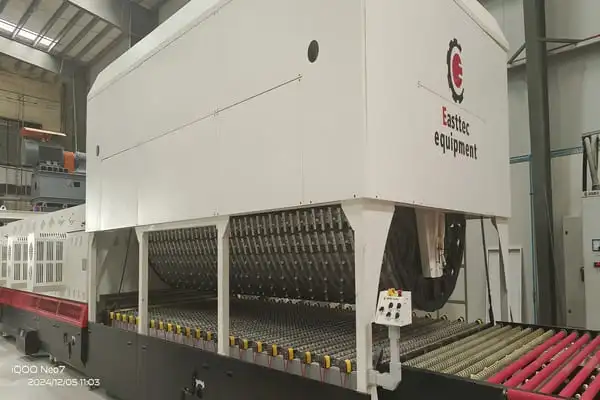
A Full Convection Flexible Roller Glass Tempering Machine improves glass quality by circulating high-temperature air uniformly across every surface of the glass during the heating stage, eliminating the cold spots that radiant-only systems typically produce. The adjustable roller bed then bends the softened glass to precise radii without applying mechanical pressure, which reduces internal stress concentrations and surface distortion. The result is tempered glass with consistent fragment density, superior optical clarity, and measurable surface compressive stress — qualities that matter most in architectural, automotive, and appliance glass production.
Understanding Full Convection Flexible Roller Glass Tempering Technology
What Makes This System Different from Standard Furnaces
Electric radiation elements are what most traditional tempering kilns use to heat glass from above. This method works well for flat, clear glass, but not so well for treated surfaces, different sizes, and complicated shapes that need to be bent. All three problems can be fixed at the same time by using high-pressure hot air circulation as the main heating medium in a forced convection bending furnace.
The Role of the Flexible Roller Bed
The flexible roller assembly is what makes the system work. Through an IPC and PLC interface, high-tensile, heat-resistant rollers change the radius of their curves digitally. This lets the glass be shaped into the right shape without using fixed molds. This gets rid of the need to make and store a different mold for each curve, which helps makers who are short on batches or have a mix of them save a lot of money on tooling.
Automation and Precision Control
The Industrial PC on board stores and instantly recalls bending recipes, so operators can quickly switch between a 450 mm radius curtain wall panel and a 1,200 mm radius piece of furniture. It is possible to keep the temperature within ±1 °C along the entire length of the furnace. This is the amount of uniformity needed to meet EN 12150 and SGCC standards for tempering safety glass.
Comparing Full Convection Flexible Roller Tempering with Traditional Technologies
Convection Heating vs. Radiant-Only Heating
Since radiation elements transfer heat primarily in a direct line, coated glass surfaces, especially Low-E glass with an emissivity as low as 0.01, can reflect a significant portion of the radiant energy. A Full Convection Flexible Roller Glass Tempering Machine addresses this challenge with an advanced top-convection system that circulates heated air around the glass surface to promote more uniform heat transfer. By using forced convection, the Full Convection Flexible Roller Glass Tempering Machine can reduce the heating cycle by up to 30% compared with radiant-only models, according to the stated equipment specifications. Faster heating allows the Full Convection Flexible Roller Glass Tempering Machine to process more glass within a given production period without necessarily requiring a proportional increase in energy consumption. For manufacturers processing Low-E and other coated architectural glass, the Full Convection Flexible Roller Glass Tempering Machine provides a convection-based approach to improving heating efficiency and production flexibility. With controlled airflow and flexible roller technology, the Full Convection Flexible Roller Glass Tempering Machine can support stable processing across different glass specifications.
Flexible Rollers vs. Fixed Mold Systems
For fixed mold bending, you need a different tool for each radius, which increases the cost of the tool and the time it takes to change it. This problem is completely solved by the adjustable high-strength roller system. Changes to the curvature settings are made from the control panel, not the workshop floor. This cuts changeover time from hours to minutes and makes the equipment commercially viable for small-batch specialty orders and custom architectural projects.
Energy Consumption and Operating Cost Comparison
High-density composite insulation panels cut heat loss by 20%, which means that you'll spend less on electricity each month. The operating cost per square meter of processed glass goes down significantly when heating cycles are sped up and thermal loss is cut down. This is something that procurement managers looking at long-term ROI will appreciate. Gas-fired alternatives have more factors that affect the cost of fuel and more rules to follow for emissions compliance that an all-electric convection system doesn't have to deal with.
How Full Convection Flexible Roller Tempering Machines Improve Glass Quality
Superior Heating Uniformity and Stress Distribution
The compressive stress layer that tempering makes is the same all the way across the sheet when heat hits every part of the glass surface at the same rate. Stress that isn't distributed evenly is what breaks and distorts the view of finished tempered glass. This problem is fixed at the source by uniform convection heating, which makes glass that consistently passes fragment count tests and doesn't show any bow or roller wave warping.
Low-E and Coated Glass Compatibility
The machine can work with Low-E glass that has an emissivity grade of as little as 0.01 without damaging the film or coating. This is a real technical need in the current architectural market, where Low-E curtain wall glass is becoming more and more common for commercial facades in North America. Instead of being used as a workaround, the top-convection method is designed to handle this temperature issue.
Thickness Range and Product Versatility
The method reliably works with glass thicknesses from 4 mm to 19 mm using a single equipment configuration. A Full Convection Flexible Roller Glass Tempering Machine can process interior decorative panels, standard architectural glass, structural curtain wall units, and heavy-duty safety glass within this thickness range, depending on the specific production requirements. For manufacturers serving more than one market, such as furniture glass and architectural glass, the Full Convection Flexible Roller Glass Tempering Machine can provide a flexible production platform for different product specifications. Instead of maintaining separate production lines for different glass applications, manufacturers can use the Full Convection Flexible Roller Glass Tempering Machine to handle multiple product types on one machine. This versatility makes the Full Convection Flexible Roller Glass Tempering Machine suitable for glass processors looking to simplify equipment configuration while maintaining flexibility across different markets. For companies with diverse production orders, the Full Convection Flexible Roller Glass Tempering Machine can support a broader range of glass processing requirements within one integrated system.
Here is a short list of the main quality benefits this equipment provides:
- Heating uniformity: Forced-air convection eliminates thermal gradients, producing consistent surface compressive stress across large panels.
- Coating protection: Controlled heat absorption prevents oxidation on Low-E and specialty coated glass surfaces.
- Optical quality: The mold-free roller bending process produces curved glass with minimal surface distortion and measurable optical clarity.
- Structural compliance: All processed glass meets CE and SGCC safety standards, making it suitable for heavy-duty architectural specifications.
Coating protection: Low-E and custom-treated glass surfaces don't oxidize because they absorb heat in a controlled way.
Operational Benefits and Maintenance Tips for Procurement Managers
Energy Efficiency and Environmental Compliance
Because heating cycles are 30% faster and heat loss is 20% lower, a facility that processes the same amount of work every day uses a lot less electricity per shift. This performance profile helps U.S. makers who are following state-level energy-saving programs or trying to build supply chains that are LEED-compliant cut costs and report correctly.
Practical Maintenance Priorities
To keep a convection bending furnace in top shape, three things need to be taken care of: the servo motors that control the roller curvature need to be calibrated regularly to keep the radius accurate; the heat-resistant bearings in the bending section need to be inspected regularly; and the convection blower assemblies need to be cleaned regularly to keep the airflow consistent. New operators can usually become fully operationally competent in one week, which is important for facilities that are having trouble finding skilled workers.
After-Sales Support and Warranty Coverage
EASTTEC offers online technical support, remote tests, and on-site help with setup 24 hours a day, 7 days a week. The equipment is delivered fully CE certified, which makes it easier for U.S. importers to clear customs and fill out safety paperwork. Delivery lead times range from 60 to 120 working days, based on the setup. This gives buying teams a reasonable amount of time to plan for capital purchases.
Making Informed Procurement Decisions for Full Convection Flexible Roller Tempering Machines
Evaluating Performance Specifications
Before getting prices from any Full Convection Flexible Roller Glass Tempering Machine suppliers, buyers should make sure they know the furnace's rated glass thickness window, level of temperature consistency, smallest bending radius that can be achieved, and language choices for PLC software. These four factors tell you if the equipment can handle the mix of products you're making now and in the near future without affecting the process.
Customization and Facility Fit
EASTTEC sets up tools to work with 220V, 380V, 415V, 50/60 Hz global industrial voltage and frequency standards. They also provide operating menus in English, Spanish, Russian, Korean, Portuguese, and other languages. At the order stage, you can change the physical dimensions, heating curve profiles, and cooling parameters to fit your floor space and the product you want to make.
Supplier Credibility and Long-Term Value
When looking at different Full Convection Flexible Roller Glass Tempering Machines for sale from different brands, you should look at the background, licenses, and customer references of the suppliers along with the prices they offer. When downtime and parts availability are taken into account, equipment bought at a lower price from a seller with poor after-sales service usually has a higher total cost of ownership. Since 1994, EASTTEC has been designing and making thermal processing tools for glass. All of its products follow Italian convection technology guidelines.
Conclusion
A Full Convection Flexible Roller Glass Tempering Machine provides glass processors with a more flexible and efficient solution for producing high-quality flat and curved tempered glass. By combining uniform convection heating with digitally adjustable flexible rollers, the system can improve heating consistency, support Low-E and coated glass, reduce changeover time, and maintain accurate bending performance across different glass thicknesses and product types. Faster heating cycles and reduced heat loss can also help lower operating costs and improve production efficiency over the long term. For manufacturers handling architectural, automotive, appliance, or specialty glass, choosing equipment with reliable temperature control, flexible production capabilities, manageable maintenance requirements, and strong after-sales support is essential. With its long experience in glass thermal processing and customizable equipment configurations, EASTTEC provides a practical option for companies looking to expand their tempering capabilities while maintaining consistent product quality and production flexibility.
FAQ
What glass thickness range does the machine support?
The equipment processes glass from 4 mm to 19 mm within a single configuration. This covers standard architectural lites, decorative interior panels, structural safety glass, and automotive applications without requiring separate equipment or major parameter changes between jobs.
How does forced convection heating reduce energy consumption compared to gas-fired systems?
Forced convection circulates pre-heated air continuously inside the furnace chamber, recovering thermal energy that would otherwise escape. The high-density composite insulation further reduces heat loss by 20%. Gas-fired systems burn fuel at a variable rate tied to combustion efficiency and ambient conditions, which makes their energy cost per unit of output harder to control. An electric convection system provides a consistent, measurable energy input that operators can track and optimize shift by shift.
What routine maintenance does the bending section require?
The bending section requires periodic calibration of the servo motors that control roller curvature to maintain radius accuracy below 0.5 mm, regular inspection of heat-resistant bearings for wear, and cleaning of contact surfaces on the roller sleeves. EASTTEC provides a structured maintenance schedule at commissioning and remote support for any process adjustments needed over the equipment's service life.
Partner with EASTTEC EQUIPMENT for Proven Tempering Performance
Since 1994, EASTTEC EQUIPMENT has been making thermal processing equipment for glass using Italian convection technology for makers of architectural, car, appliance, and solar glass around the world. There are many different ways to set up our Full Convection Flexible Roller Glass Tempering Machine so that it fits your production volume, glass specifications, and facility needs. You can email our team at sales@easttecmachine.com to get a technical proposal or talk to a specialist about your project. From the specification stage to the completion stage, we are ready to help you with your purchase.
References
1. Glass Technology Europe. Advances in Forced Convection Heating for Flat Glass Tempering. Glass Technology Europe, 2022.
2. Pilkington Group. Technical Standards for Low-Emissivity Glass in Architectural Applications. Pilkington Technical Publications, 2021.
3. American National Standards Institute (ANSI). ANSI Z97.1: Safety Glazing Materials Used in Buildings. ANSI, 2020.
4. European Committee for Standardization. EN 12150-1: Thermally Toughened Soda Lime Silicate Safety Glass. CEN, 2019.
5. Glass Processing Days Conference Proceedings. Flexible Roller Bending Technology: Production Efficiency and Quality Outcomes. Glass Processing Days, 2023.
6. U.S. Department of Energy. Energy Efficiency Opportunities in Glass Manufacturing. DOE Industrial Technologies Program, 2020.

USER EVALUATE
Here is the customer's evaluation of us