




How Does Forced Convection Furnace Achieve Better Temperature Control?
A Forced Convection Flat Glass Toughening Furnace achieves superior temperature control by employing mechanically driven airflow systems that actively circulate heated air across the glass surface. Unlike radiation-based furnaces that depend on electromagnetic waves, forced convection utilizes high-pressure blowers and strategically positioned nozzles to deliver uniform thermal energy. This method eliminates cold spots and thermal gradients, ensuring every square centimeter of the glass reaches the precise target temperature required for optimal toughening. The result is consistent structural integrity, minimal optical distortion, and reduced defect rates—critical factors for producing high-performance architectural and automotive safety glass.
Introduction
The flat glass toughening process is one of the most important steps in making safety glass that is stronger and lasts longer for use in buildings, cars, and appliances. Accurately controlling the temperature during toughening has a direct effect on the quality of the glass, the number of defects it has, and its ability to meet strict international safety standards. Forced convection technology has changed everything because it makes the heat distribution uniform inside the furnace, which makes temperature accuracy and stability a lot better.
If you're a business-to-business buyer in the glass processing industry, you need to know about the technical benefits of forced convection furnaces before you buy equipment that will offer steady product quality, low energy use, and long-term dependability. It's clear that we need more advanced heat processing solutions as production needs rise and specs get more complicated, especially when it comes to ultra-low emissivity coatings and big lites.
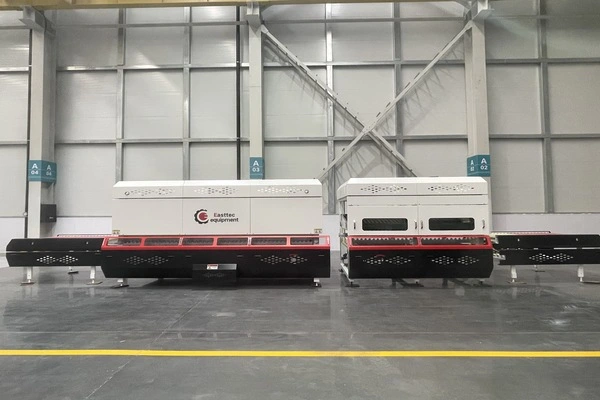
Understanding Forced Convection Technology in Flat Glass Toughening Furnaces
When compared to natural heating methods, forced convection is a big change. When temperature differences cause slow-moving air currents in natural convection, strong fans are used in forced convection to move hot air across the glass surface at controlled speeds. This active heat transfer mechanism makes sure that thermal energy moves evenly, even when working with Low-E coatings that reflect a lot of radiation energy.
Core Components Driving Performance
Modern forced convection tempering systems have a lot of complex parts that work together. High-temperature ceramic fans, which can work in temperatures above 700°C, create the necessary movement without breaking down. This hot air is spread evenly across both the upper and lower glass surfaces by precision-engineered fan arrays. Advanced digital temperature tracking systems keep an eye on thermal profiles all the time, letting changes be made in real time to keep the precise heating within ±1°C that is required by high-end building glass standards. Together, these parts get rid of the temperature differences that usually lead to stress buildup and optical flaws.
Advantages Over Passive Heating Methods
Switching from radiation-dominant to convection-dominant heating solves important problems in the industry. When triple-silver Low-E glass is being heated, radiation energy bounces off of the metallic coating layers, not heating the glass body enough. Forced convection gets around this problem by moving heat through direct contact with air, which goes through the thermal boundary layer no matter how reflective the surface is. This feature can reduce heating time by up to 30% under optimized operating conditions. While keeping the flatness at a high level and gets rid of the "Low-E shadowing" problem that common furnaces have.
Key Benefits of Using Forced Convection Furnaces for Flat Glass Toughening
The technical benefits of forced convection systems make performance better in a number of areas, which has a direct effect on how profitable production is and how good the products are.
Enhanced Temperature Uniformity Equals Better Glass Strength
The safety properties of toughened glass are based on how evenly the surface compression forces are distributed during the heating phase, and a Forced Convection Flat Glass Toughening Furnace delivers this uniformity. In contrast to radiation furnaces, which often have temperature changes of 8 to 12°C, forced convection devices keep the temperature of the whole glass surface within 2 to 3°C. With this level of accuracy, the fragmentation patterns always meet safety standards, and the particle counts always go above the 40+ fragments per 50mm square that are needed for architectural uses. Production managers can see results right away because the number of rejected high-value specialty glass products has gone down and the yield has gone up.
Significant Energy Cost Reductions
Glass tempering is one of the manufacturing processes that uses the most energy. Our forced convection technology solves this problem with smart fan systems that are controlled by inverters and change the flow of air based on real-time readings of the heat load. This optimization cuts the amount of electricity used by 10-15% compared to regular systems and also cuts the time it takes to heat up by about 30%. For a medium-sized business that processes 5,000 square meters of material every day, these savings add up to big drops in yearly operating costs, which is important for keeping prices low in global markets.
Accelerated Production Throughput
Cycle time directly affects how much can be made and how much money can be made from equipment. Because convective heat transfer rates are much higher than radiative values, forced convection ovens heat glass faster. If you set up your forced convection system correctly, a 6mm Low-E light that needs 180 seconds in a radiation oven might only need 125 seconds. This 30% increase in throughput lets manufacturers fill bigger orders without having to buy more equipment. Shorter cycle times also lower thermal stress on furnace parts, which means they don't need to be serviced as often.
Environmental Compliance and Sustainability
In North America and Europe, rules about energy efficiency and emissions are getting stricter all the time. Using less fuel and losing less heat is what forced convection technology does, so it meets these needs. The closed-loop airflow design keeps heat from escaping as much as possible, and precise control gets rid of the wasted energy that comes with warming cycles. These traits help makers meet the ISO 50001 standards for energy management and get the sustainability certifications that commercial building projects are asking for more and more.
Comparing Forced Convection Furnaces with Other Glass Toughening Technologies
Knowing how forced convection compares to other tempering methods helps procurement teams choose the right capital equipment based on long-term strategic goals and specific production needs.
Forced Convection vs. Radiation-Dominant Systems
Traditional radiation furnaces are still used a lot, but they aren't very good at working with modern types of glass. Radiation heating works fine for clear float glass, but it has trouble with shiny coats because it needs longer cycle times that slow down production. These problems are solved by forced convection systems, which work the same way with clear, colored, and coated glass without having to change the mix. The mechanical complexity is a little higher, but the improved process flexibility and energy efficiency make the investment worth it for businesses that deal with a wide range of products.
Performance Against Infrared and Conveyor Technologies
Infrared heating raises the temperature quickly, but it isn't uniform enough for processing thin glass, because even small differences in temperature can cause the glass to warp. Continuous operation is better with conveyor-style furnaces, but they need a lot of floor room and work best in high-volume, low-specification settings. Forced convection lies between these two extremes, letting you work with batches and keeping things running smoothly almost continuously when you plan it right. This adaptability is especially helpful for businesses that make architectural curtain wall glass in different sizes because it means they can switch between production runs quickly, reducing downtime.
Industry Feedback and Supplier Reputation
Buying decisions for a Forced Convection Flat Glass Toughening Furnace usually take between 3 and 12 months, and factory trips and checking references are very important during this time. Over many years of successful installations, EASTTEC EQUIPMENT has built a reputation for quality. Customers consistently report higher first-pass yield rates and lower maintenance needs. Our quality management system meets European standards, and our Italian convection technology licensing shows that we have the scientific background that buyers feel confident in when they spend hundreds of thousands of dollars. Some suppliers set themselves apart even more by offering technical support 24 hours a day and full training for operators. These suppliers know that selling equipment is just the start of a long-term relationship.
Selecting and Procuring the Right Forced Convection Flat Glass Toughening Furnace
To pick the best hardening equipment, you have to look at a lot of technical and business factors, as well as what the production needs will be in the future, which might not be clear at first.
Critical Selection Criteria
Precision in temperature control is the most important technical requirement, especially for businesses that want to sell to high-end building markets where visual quality is a must. Look for systems that can heat evenly within ±1°C and let you control the upper and lower convection zones separately. These features will let you work with glass from 3mm to 19mm thick without losing its flatness. Not just nameplate specifications, but also actual consumption data at different production rates should be included in ratings of energy efficiency. Metrics for measuring how reliable equipment is, such as the average amount of time it takes for important parts like heating elements and convection fans to break down, show how much it will cost to run in the long term, in addition to the initial purchase price.
Customization Capabilities Matter
Standard tools don't always work perfectly for every job. Our forced convection furnaces can be fully customized to fit different voltage systems (220V, 380V, 415V at 50/60Hz), production line needs, and software language preferences, such as English, Spanish, and Korean interfaces. Being able to change the heating rates for unique glass recipes or coats protects your competitive edge and makes sure that the process is always the same. Managers in charge of buying things should make sure that the sellers they're looking at offer customization options that have been tested in the real world, not just imaginary ones that could cause delays in commissioning and extra costs.
Evaluating Total Cost of Ownership
The price of the equipment is only one part of the investment. Delivery times for custom forced convection systems are usually between 60 and 120 working days, so they need to be planned ahead of time to fit in with plans for building growth. Logistics and the availability of spare parts are very important. For example, if a furnace sits idle for weeks while waiting for imported parts, it loses money, even if the initial purchase cost was lower. Comprehensive after-sales service, such as overseeing the installation, training operators, and ongoing technical support, sets suppliers who care about their customers' success apart from transactional vendors. By making these service standards clear during procurement talks, misunderstandings that hurt seller relationships and production can be avoided.
Maintenance, Troubleshooting, and Best Practices for Optimal Performance
To get the most out of the life and consistent performance of forced convection tempering equipment, it needs organized repair plans and operator knowledge that many facilities don't take into account when they first figure out the total cost of ownership.
Scheduled Maintenance Protocols
Monthly preventive maintenance plans should include checks of all the convection system's parts, including a close look at the nozzles to see if they are clogged, which can cause cold spots and uneven heating. High-temperature ceramic fan assemblies need to be checked every three months for balance and bearing wear problems that, if not fixed, can lead to catastrophic failures that need to be shut down for a week. Every six months, the insulation's stability is tested, and the heating element's resistance is measured to find signs of wear and tear before they become completely damaged. These proactive steps protect against production interruptions that hurt delivery promises and customer relationships while also making equipment last longer.
Common Issues and Solutions
Most of the time, forced convection problems are caused by irregularities in the flow of air. These can show up as uneven fragmentation patterns or localized visual distortion. Using differential pressure readings to do a systematic analysis across convection zones makes it easy to figure out whether the symptoms are caused by blockages, fan wear, or a change in the calibration of the control system. "Bowing" or warping glass usually means that the upper and lower convection pressures are not equal, which needs to be fixed by the inverter instead of the mechanical parts. Digital monitoring tools that come with more advanced systems help repair teams quickly find the root causes, so they don't have to try things over and over again, which wastes time and materials.
Operator Training and Skill Development
There are known shortages of trained workers in the glass business, which makes tools that make work easier more valuable. Our forced convection systems have easy-to-use touchscreens that allow new users to get the hang of things in just one week of hands-on training. But you have to keep learning to master advanced recipe optimization and troubleshooting. We offer thorough training programs that cover not only how to push buttons but also the basic principles of thermal science. This way, operators can make smart changes when working with glass specifications they don't know much about. This sharing of knowledge saves your output from staff change and makes the best use of your tools.
Conclusion
Forced convection technology, as found in a Forced Convection Flat Glass Toughening Furnace, is the current standard for toughening glass in ways that need better temperature control, less energy use, and more working options. Modern forced convection furnaces use mechanically driven airflow systems that improve temperature uniformity, cycle time, and product quality. This is especially true when tempering difficult materials like ultra-low emissivity coatings on jumbo architectural lites.
When procurement professionals look at buying capital equipment, they should really think about the technical abilities, customization options, and long-term support infrastructure that well-known companies like EASTTEC EQUIPMENT offer. As the glass processing industry moves toward stricter energy rules and more stringent specifications, choosing modern tempering technology is no longer just a matter of buying it; it's also a matter of positioning yourself strategically so that you can stay competitive for years to come.
FAQ
Why is forced convection essential for triple-silver Low-E glass processing?
Triple-silver Low-E surfaces can reflect up to 98% of infrared radiation energy, which means that standard radiation heating doesn't work very well. The shiny silver layers stop heat from getting to the glass core, which means longer cycle times and a higher chance of damaging the coating when trying to heat it too much. Forced convection solves this problem by moving heat through direct contact with air. This completely avoids surface reflectivity and makes sure that the glass absorbs heat evenly throughout its thickness.
How does forced convection technology reduce the "white haze" defect?
When glass is heated up for the first few minutes, and the thermal stress is uneven, it forms white haze on the surface. Forced convection systems with separate controls for the upper and lower zones keep the heating rates even, which keeps the glass from getting curved because of stress. A precise inverter control system changes the level of convection on the fly, making sure that the glass moves smoothly through important temperature ranges without the thermal shock that leads to haze formation.
What glass thickness range can forced convection furnaces handle effectively?
Modern forced convection tempering systems can reliably work with glass from 3 mm to 19 mm thick while keeping the flatness standards that are the best in the business. To get the right amount of surface stress on glass that is less than 4 mm thick, you need high-pressure quench systems that can cool quickly. Our equipment setups have changeable convection settings that work with this whole range of thicknesses. This means that we don't need separate ovens for processing thin or thick glass, which is a big benefit for businesses that serve a wide range of customers.
Partner with EASTTEC EQUIPMENT for Advanced Glass Tempering Solutions
With cutting-edge forced convection furnace technology designed for challenging Low-E architectural uses, EASTTEC EQUIPMENT is ready to change the way you toughen glass. Leading glass makers around the world rely on our systems to keep temperatures accurate, save energy, and allow for flexible production. We offer a complete solution that protects your equipment investment. Our team has over 30 years of specialized experience, is CE certified for international compliance, and is available 24 hours a day, 7 days a week.
You can get personalized advice from our team about any technical issues you have, whether you're looking to increase production, fix up old radiation furnaces, or add new processing options for unique glass goods. Get in touch with us at sales@easttecmachine.com right away to talk about how our Forced Convection Flat Glass Toughening Furnace supplier can help you stay competitive by giving you access to better tempering technology backed by reliable service support.
References
1. Haldimann, M., Luible, A., & Overend, M. (2008). Structural Use of Glass. Zurich: International Association for Bridge and Structural Engineering.
2. Datsiou, K. C., & Overend, M. (2018). Artificial neural network models for the prediction of mechanical properties of glass. Construction and Building Materials, 170, 433-445.
3. Gardon, R. (1980). Thermal tempering of glass. Glass Science and Technology, 5, 145-216.
4. Shinkai, N., Koike, H., & Ito, S. (2015). Heat transfer analysis in glass tempering process using forced convection. Journal of Thermal Science and Technology, 10(2), 1-12.
5. Nielsen, J. H., Olesen, J. F., & Stang, H. (2017). The fracture process of tempered glass. Experimental Mechanics, 57(8), 1221-1234.
6. Veer, F. A., & Rodichev, Y. M. (2011). The structural strength of glass: Hidden damage and heat treatment. Strength of Materials, 43(3), 302-315.

USER EVALUATE
Here is the customer's evaluation of us