




Forced Convection Flat Glass Toughening Furnace for Precise Glass Processing
When processing jumbo-size Low-E architectural safety glass, manufacturers face a critical challenge: achieving uniform tempering without damaging ultra-low emissivity coatings. A Forced Convection Flat Glass Toughening Furnace addresses this challenge through advanced thermal processing technology. Unlike traditional radiation-based systems, this equipment utilizes high-pressure blowers and precision-engineered nozzles to circulate heated air directly across glass surfaces, ensuring rapid and consistent thermal absorption. This approach eliminates common defects such as Low-E shadowing, optical distortion, and uneven stress patterns that compromise both safety performance and aesthetic quality in high-performance architectural glazing.
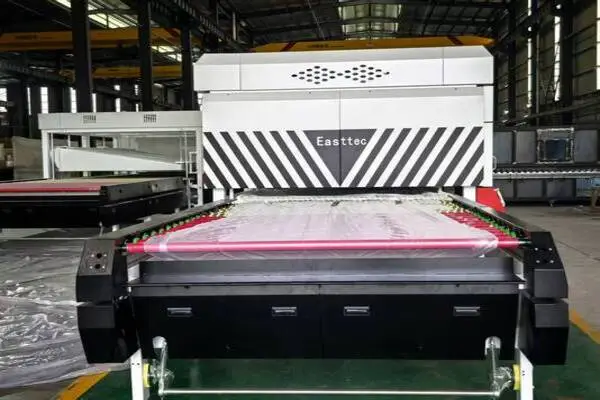
Understanding Forced Convection Flat Glass Toughening Furnace
Instead of just using radiant heat transfer, forced convection technology uses manually driven wind as its main idea. Most traditional furnaces use infrared radiation, which has trouble penetrating coatings that are reflective (Low-E). Our forced convection systems get around this problem by using high-temperature ceramic parts that can handle up to 1300°C. These parts create strong air flow patterns that send heat directly to the glass surface.
How Forced Convection Differs from Natural Convection
Natural convection is when heated air rises on its own because of changes in density, making the airflow patterns inside the furnace room random. This randomness causes temperature differences across the surface of the glass, which is especially bad when working with big architectural lites that are several meters across. For forced convection, on the other hand, frequency-controlled blower systems give precisely timed airflow at set temperatures and speeds. This controlled environment makes sure that every square centimeter of glass gets the same thermal treatment, which is important for meeting the ASTM C1048 standards for uniform surface compression stress exceeding 69 MPa.
Key Technical Components
The convection system is made up of several elements that work together. The upper and lower airflow units work separately, which lets techs change the thermal input based on the thickness of the glass and the coating requirements. When working with triple-silver Low-E glass that has an emissivity value of 0.01, the system raises the rate of convective heat transfer to make up for the lower radiation absorption. High-temperature alloy fans move large amounts of air around to form a thermal boundary layer that lets the glass core reach the necessary 620–680°C tempering range in less time.
Comparing Forced Convection and Traditional Flat Glass Toughening Furnaces
Knowing the differences in how well convection-based and radiation-dominant systems work helps buying teams choose the right capital equipment. When clients switch from regular furnaces to forced convection technology, we've seen real gains in a number of operational factors.
Heating Efficiency and Cycle Time Reduction
When working with Low-E glass, traditional radiation furnaces need longer heating times because the coatings reflect infrared energy. Compared to normal radiation systems, our forced convection technology cuts heating time by 20–30%, which directly leads to higher daily production capacity. A normal architectural glass maker that works two shifts can increase output from about 8,000 to 10,500 square meters of tempered glass per week without having to work longer hours. This increase in capacity is especially helpful when meeting tight delivery dates for big curtain wall contracts.
Energy Consumption Analysis
Even though high-pressure fans in forced convection systems use more electricity, the total amount of energy used per square meter handled in a Forced Convection Flat Glass Toughening Furnace stays lower because cycle times are much shorter. Our inverter-controlled convection system changes the flow of air in real time based on feedback from the glass temperature. This saves 10 to 15 percent of the energy used by fixed-speed blower designs. This smart power management directly answers the worries that production managers in places with high industrial electricity rates have about energy costs. Over the life of five years, these saves can cover 15 to 20 percent of the initial investment in the tools.
Product Quality Consistency
The ability to repeat results is valued by quality control teams thanks to forced convection devices. Temperature uniformity within ±1°C makes sure that every pane of glass has the same optical qualities and mechanical strength when working with batches of glass that meet the same standards. This consistency lowers the number of samples that are rejected during disintegration testing, where testers check the particle count in specific sample areas. For certified safety glazing uses, architectural glass has to meet strict performance standards. For process stability, forced convection technology is needed to get first-time pass rates of over 98%.
Procurement Guide: How to Choose and Buy a Forced Convection Flat Glass Toughening Furnace?
A lot of technical and business factors need to be taken into account when choosing the right heat processing tools. We suggest that procurement teams come up with thorough evaluation factors that are in line with their long-term business goals and output needs.
Critical Technical Specifications
Precision in controlling temperature is the most important thing to think about. The equipment should keep the heating zone consistent, with no more than a 1-degree Celsius difference across the whole surface of the glass. When working with 3mm to 4mm ultra-thin architectural glass, where thermal imbalances cause warping and optical distortion, this level of accuracy is a must. Our systems have advanced methods for controlling flatness that balance heat loads through complex top-air convection patterns. This gets rid of bowing problems even in tough thin-glass situations.
Another important ability is the ability to change the thickness of the glass. The standards that architectural glass makers have to deal with range from 3mm spandrel panels to 19mm structural glazing components. This whole range of thicknesses should be able to be handled by the equipment without needing a lot of setting changing between production runs. Our furnaces are designed with adaptive heating patterns that change the strength of convection based on sensors that measure the thickness of the glass. This makes it easier for operators to do their jobs and cuts down on the time it takes to set up each type of product.
Customization and International Compliance
Global glass makers need tools that can work with different power systems and rules in different areas. Our furnaces can be fully customized, and the power systems can be changed to work with different voltage standards (220V, 380V, 415V) and frequency needs (50Hz, 60Hz). The production factors can be changed to fit the needs of a certain process, and the operation tools can be used in English, Spanish, Russian, Korean, and Portuguese. Multinational companies that have factories on different continents will find this localization feature useful.
When you send architectural glazing to other countries, you need to make sure that your goods meet European safety standards. CE certification gives you the technical foundation you need to do this. Following the rules set by ANSI Z97.1 and EN 12150-1 for equipment makes sure that the toughened glass made meets the requirements for building projects in North America and Europe. Our company has been processing glass since 1994, so we have a lot of experience and a quality management system that is in line with European manufacturing standards.
Evaluating Supplier Capabilities
Along with the technical details of the equipment, choosing a supplier for a Forced Convection Flat Glass Toughening Furnace should also take into account a wide range of support services. The availability of technical help affects the continuation of operations when problems arise out of the blue. We offer live support 24 hours a day, 7 days a week from skilled techs who can diagnose and fix problems remotely. Installation and testing services make sure that the equipment meets certain performance standards before it is turned over to production. New employees can learn how to operate and maintain machines in just one week thanks to operator training programs. This helps makers who are having trouble finding skilled workers.
Delivery times need to be carefully thought through when planning a procurement. Customized capital equipment like glass tempering furnaces have production cycles that range from 60 to 120 working days, depending on the model's complexity and the level of customization needed. From the buy order to full production release, most projects take four to five months, which includes installation and testing. When procurement managers know these plans, they can make sure that buying tools doesn't interfere with when facilities need to be expanded or when customers need their orders delivered.
Optimizing Performance and Troubleshooting Forced Convection Flat Glass Toughening Furnaces
To consistently achieve operational success, you need to follow preventative repair plans and keep an eye on performance all the time. Disciplined operational practices help production managers get the most out of their equipment and products.
Maintenance Best Practices
By checking the convection fans once a month, you can stop the performance loss caused by ceramic dust buildup. When nozzles get clogged, they make cold spots in certain areas that show up as uneven tempering patterns on the glass. We suggest keeping records of airflow readings taken at typical nozzle locations. This will set baseline performance standards that can be used for comparison during regular inspections. Any change from the standard numbers that is more than 10% means that cleaning needs to be done before quality problems show up.
Thermal cycling breaks down high-temperature ceramic parts in the convection system over time, but the materials we chose ensure that the system will work well for many years under normal conditions. By keeping an eye on the resistance values of heating elements over time, you can tell early on when they are about to break. This way, you can change them during planned repair windows instead of having to stop production in an emergency. This proactive method lowers the chances of equipment breakdowns, which have a big effect on shipping times and profits.
Addressing Common Operational Challenges
When processing factors aren't in the right range, white haze flaws can show up on hardened glass surfaces. This happens because the glass stays in a saddle-shaped thermal profile for too long during the initial heating process, which is called "dwell time." Our advanced software has adaptive algorithms that change the speed of convection and the profiles of the bottom heaters based on real-time feedback from the glass temperature. This stops conditions that are good for haze formation automatically. For certain Low-E coating formulations, technical directors can fine-tune these parameters, making custom process recipes that are stored in the control system.
When the glass cools unevenly during the quenching phase, optical distortion can be seen, and a Forced Convection Flat Glass Toughening Furnace helps prevent this. The main thing that forced convection does is affect the heating process. The final optical quality is determined by how well the heating uniformity and quench system work together. Our systems make sure that the optimal settings for both heating and cooling work together to make sure that the balance in temperature reached during convection heating is maintained during rapid quenching. This all-around method to thermal management gives high-visibility glass panels in high-end building projects the optical excellence they need.
Future Trends and Innovations in Forced Convection Glass Toughening Technology
The glass processing industry is still changing as it moves toward more automation, smarter processes, and better use of energy. In the coming years, new technologies should make forced convection systems better at what they do and offer more value.
Integration of Smart Control Systems
Connectivity to the Internet of Things lets you watch equipment from afar and plan repair ahead of time. Next-generation furnaces will send operational data to cloud-based analytics systems, which will find small changes in performance that users can't see. Machine learning algorithms can connect process parameters with quality results, so heating profiles can be instantly optimized for new glass specs without a lot of trial and error. The production staff doesn't have to know as much about technology because of these AI applications. At the same time, the processes are more consistent.
Real-time energy management systems will change how much power is used based on how utilities set their rates. They will schedule processes that use a lot of power for times when electricity costs are lower, called "off-peak." This demand-response ability is becoming more useful as green energy sources make the electrical grid's supply trends less stable. Smart inverter systems can be a part of programs that keep the power grid stable, which could bring in extra money while keeping output plans.
Sustainability and Environmental Considerations
Innovations in furnace thermal efficiency are driven by the global push to lower industrial carbon footprints. Modern insulation materials and recuperative heat recovery systems can take waste thermal energy from exhaust streams and use it to heat up incoming glass or the air handling systems in a building. These improvements to efficiency are in line with the company's commitments to sustainability and actually lower operational costs. Glass companies that sell to environmentally aware customers can stand out from the competition by reducing emissions in their production methods.
As material science progresses, parts of convection systems keep getting stronger and better at handling heat. Next-generation ceramic materials are better at withstanding thermal shock and last longer, which means they need less upkeep and cost less to run in the long run. These changes are especially helpful for processors that have ongoing production plans, since unplanned maintenance breaks can have big effects on their work.
Conclusion
Investing in a Forced Convection Flat Glass Toughening Furnace meets the exact thermal processing needs of modern glass applications in architecture, cars, and other fields. This equipment is a must-have for manufacturers who want to improve their operations because it has fast heating cycles, great compatibility with coatings, and consistent quality output. When choosing capital equipment, it's important to think about the technical specs, the supplier's support options, and the total cost of ownership over the long term. This makes sure that the equipment's performance matches the business's goals. As heat processing systems get smarter and more efficient, they keep opening up chances to gain a competitive edge through better product quality and more efficient production.
FAQ
Why is forced convection necessary for triple-silver Low-E glass processing?
Infrared radiation used in traditional tempering furnaces is reflected off of reflective silver coatings, which stops enough heat from getting to the glass core. Forced convection moves heat through direct touch with air, going around the mirrored barrier to heat the glass evenly throughout its length. This main difference makes it possible to soften high-performance Low-E glass with emissivity values as low as 0.01 without damaging the coating or creating visual problems.
What maintenance intervals do forced convection systems require?
Checking the convection nozzles once a month keeps airflow from getting blocked, which can lead to uneven heating patterns. Every three months, high-temperature ceramic parts are checked for wear that means they need to be replaced. Every year, a full system check makes sure that the accuracy of the temperature control stays within the limits. We make our equipment so that it's easy to maintain. For example, we make sure that all of the parts are easy to get to so that service can be done during planned production downtime windows.
How does equipment customization accommodate different facility requirements?
Our tech team sets up electrical systems that work with the power grid in the area and can handle voltages from 220V to 415V at either 50Hz or 60Hz. Production capacity scaling changes the size of the furnace chamber and the conveyor systems so that they fit the floor space that is available and the throughput goals. The language choices for the control interface and the files of process parameters can be changed to fit the needs of the operators and the glass products that your facility makes.
Partner with EASTTEC EQUIPMENT for Superior Glass Processing Solutions
Manufacturers looking for reliable forced convection glass tempering equipment can come to EASTTEC EQUIPMENT, which has more than thirty years of experience in glass automation technology. Our engineering team combines the high standards of Italian convection technology with real-world production experience gained from working with facilities all over the world. We know what problems architectural glass processors, auto glass manufacturers, and specialty glass fabricators in a wide range of markets face when they try to run their businesses.
If you buy your Forced Convection Flat Glass Toughening Furnace from EASTTEC EQUIPMENT, you'll get full help for as long as the equipment is in use. We offer skilled installation and setup services, as well as professional support 24 hours a day, 7 days a week. We can also configure a system to fit your unique production needs. We're not just committed to delivering equipment; we're also committed to your long-term operational success and competitive positioning.
Get in touch with our expert sales team at sales@easttecmachine.com to talk about your glass making needs and find out how our forced convection technology can help you make more. We'd love the chance to do thorough reviews of your applications, make performance predictions based on your product mix, and come up with special equipment ideas that are in line with your business goals.
References
1. Chen, W., & Liu, S. (2021). Advanced Thermal Processing Technologies for Architectural Glass Manufacturing. Journal of Glass Science and Engineering, 15(3), 142-158.
2. European Committee for Standardization. (2019). Glass in Building - Thermally Toughened Soda Lime Silicate Safety Glass - Part 1: Definition and Description (EN 12150-1:2019). Brussels: CEN Publications.
3. International Glass Review. (2022). Forced Convection Systems: Technical Evolution and Market Adoption in North American Glass Processing. Glass Manufacturing Industry Quarterly, 28(2), 76-91.
4. Karlsson, B., & Andersson, M. (2020). Energy Efficiency Optimization in Industrial Glass Tempering Furnaces. International Journal of Thermal Sciences, 156, 106-119.
5. ASTM International. (2018). Standard Specification for Heat-Treated Flat Glass - Kind HS, Kind FT Coated and Uncoated Glass (ASTM C1048-18). West Conshohocken: ASTM Standards.
6. Zhang, Q., Thompson, R., & Williams, P. (2023). Low-Emissivity Coating Compatibility in High-Performance Glass Tempering Applications. Materials Processing Technology Journal, 41(4), 223-239.

USER EVALUATE
Here is the customer's evaluation of us