




Convection Tempering Line Delivers Reliable Performance for Architectural Glass Plants
Architectural glass manufacturing demands precision, efficiency, and consistent quality. A Convection Flat Glass Tempering Line represents a transformative solution for processors facing the challenges of modern glass production. Unlike traditional radiation-based systems, convection tempering utilizes forced hot air circulation to heat glass uniformly before rapid cooling, creating tempered glass with superior mechanical strength and optical clarity. This technology addresses critical pain points including Low-E coating compatibility, energy consumption, and production throughput. By delivering faster heating cycles, reduced thermal stress on delicate coatings, and enhanced flatness control, convection tempering has become the preferred choice for architectural glass plants seeking reliable, high-performance equipment that meets stringent global safety standards while optimizing operational costs.
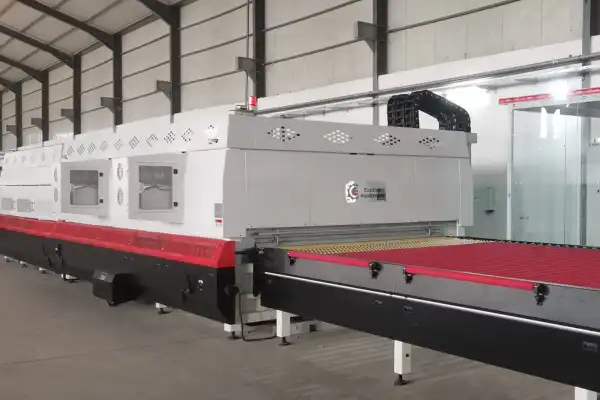
Understanding Convection Flat Glass Tempering Lines: Technology and Benefits
Contemporary building projects need glass that is both strong and good at saving energy. The idea of convection tempering came about to solve problems that regular radiation furnaces couldn't solve, especially when working with coated glass products.
The Core Technology Behind Convection Tempering
The main difference between radiation tempering and convection tempering is how the heat is transferred. Infrared energy from heating sources is used in traditional radiation ovens to warm the glass surface. But Low-E coatings, which are made to reflect infrared rays, form a shield that stops heat from absorbing well. This leads to longer heating times, possible damage to the coating, and uneven tempering results.
Forced air circulation in convection systems gets around this problem. High-temperature blowers send streams of hot air across both sides of the glass. This transfers heat through direct contact instead of radiation. This method gets around the reflective properties of metallic coatings, so the heat is spread evenly across the thickness of the glass. The ceramic-based convection parts can withstand temperatures above 1300°C, keeping the structure strong while reducing energy waste by keeping heat in.
Key Benefits for Architectural Glass Production
When manufacturers use convection tempering technology, they see measurable improvements in a number of operational areas. One of the main benefits is faster heating processes, which cut working time by 20–30% compared to radiation methods. The daily production capacity goes up as a result, without the need for more floor space or workers.
Another important benefit is that it saves energy. Intelligent convection systems that are controlled by inverters change the amount of airflow in real time based on the thickness of the glass and the finishing requirements. This dynamic control lowers the amount of electricity used by 10 to 15 percent while keeping the temperature settings the same. Over time, lower energy costs add up, making the overall return on investment better. This makes convection systems a good choice for both new installs and equipment updates.
Improving the quality of the optics is just as important. Common problems with traditional hardening methods, like iridescence, white haze, and roller wave distortion, can be fixed with convection heating. The even thermal loading stops stress buildup that makes thin glass panels warp. This makes sure that flatness standards are kept to within 0.1% of panel length, which is a very important requirement for structural glazing uses.
Comparison with Traditional Tempering Methods
Production managers need to look at both short-term performance and long-term costs when comparing tempering technologies. Radiation furnaces can still be used for normal layers of clear, uncoated glass. But their flaws become clear when they are used to make the high-performance glass goods that are common in modern building standards.
There are clear advantages to convection devices in a number of important areas. It is now possible to work with Low-E glass that has an emissivity value as low as 0.01 without having to heat it for long periods of time or worry about the coating wearing off. Being able to make very thin glass down to 3 mm thick while keeping its flatness opens up more products and market possibilities. Also, because of less thermal stress and better material durability, convection parts need less upkeep. This cuts down on downtime and makes equipment last longer than usual for a radiation burner.
Why Convection Flat Glass Tempering Lines Are the Preferred Solution for Architectural Glass Plants?
As people have wanted more energy-efficient building coverings and more design options for how they look, the architectural glass business has changed quickly, and a Convection Flat Glass Tempering Line is now essential. Modern requirements for tempering equipment are hard for older equipment to meet. This leads to production delays and inconsistent quality, which hurts profits and market competitiveness.
Limitations of Traditional Radiation Tempering
When working with modern glass goods, radiation-based devices are limited by the way they are built. Low-E coatings that reflect the infrared light needed for heat movement are the main problem. When manufacturers use radiation ovens to try to temper coated glass, the heating processes take too long, which slows down production and costs more in energy. Long-term exposure to high temperatures can also damage delicate coating layers, which can lead to problems with how they look or how well they use energy.
The process of working with thin glass is tougher. Radiation heating causes temperature differences between the core material and the glass surfaces, which causes thermal stress imbalances. This causes finished panels to bow or warp, which means they can't be used for precise tasks like frameless glazing systems or structural glass displays where flatness standards are very strict.
Convection Technology Advantages
These problems can be fixed by convection tempering, which has better thermal control and process flexibility. The forced air movement system makes sure that the heat is spread evenly across the whole surface of the glass. This gets rid of the hot spots and cold spots that affect the view. This stability is especially helpful when working with mixed products, as it lets you easily switch between different types of glass, coatings, and sizes without having to make a lot of changes to the parameters.
Higher output is possible because heating rates are faster. The heating phase is cut by about 30% with convection systems because they deliver thermal energy more efficiently. This lets plants make more with the same amount of equipment. This increase in productivity is especially significant during times of high demand or when working on big commercial projects with tight deadlines.
Quality changes go beyond just clearer vision and include better technical performance as well. Safety tests consistently show that convection-tempered glass has fragmentation patterns that are better than minimum safety glass standards, with counts of more than 40 pieces per 50x50mm area. This better performance gives you more safety gaps and helps you meet certification requirements in all foreign markets.
Application Versatility Across Industries
Architectural glass is still the main use for convection tempering systems, but they also serve other market groups. Precision heating is useful for auto glass manufacturers because it makes it possible to make windshields and side windows with complex curves. The controlled thermal environment keeps optical quality standards set by regulatory bodies while keeping safety-critical areas from distorting.
Glass that can withstand repeated thermal cycling without breaking is needed by companies that make home appliances like oven doors, refrigerator shelves, and cooktop panels. In these tough situations, convection tempering creates the even stress distribution needed for long-term endurance. In the same way, furniture makers who make glass tabletops and shower walls like how beautiful the final look is that can be achieved through convection processing. This is because the quality of the surface affects how customers see the product and how much they value it.
How to Choose the Right Convection Flat Glass Tempering Line for Your Business?
Choosing the right tempering equipment like a Convection Flat Glass Tempering Line is a big financial decision that needs to be carefully thought out in terms of technical specs, provider skills, and long-term support infrastructure. Production managers have to find a balance between the needs for current success and the need to be able to expand and change operations in the future.
Critical Selection Criteria
Planning for production capacity is the basis for choosing equipment. By looking at current throughput needs along with expected growth paths, it is possible to find the right furnace size and heating power capacity. Plants that make a lot of different kinds of products should look for systems with a wide range of thicknesses—ideally from 3 mm to 19 mm—and flexible loading configurations that can handle different panel sizes without having to be adjusted by hand.
Because they affect operating costs, energy efficiency metrics need to be looked at in detail. Looking at exact numbers for energy use, measured in kilowatt-hours per square meter handled, gives us useful information for comparison. Inverter-controlled convection motors and high-efficiency insulation materials are used in systems that save a lot of money over the life of the equipment. Often, the higher original purchase prices are covered within three to five years of operation.
Having the right technical support system is very important for keeping output schedules. Suppliers of equipment should offer a full range of services, such as supervision during installation, help with setup, and programs to train operators. If you need to fix something, having quick access to prompt technical support—ideally available 24 hours a day through multiple lines of communication—minimizes downtime. To avoid long production stops due to broken parts, it's also important to check on the availability of spare parts and how they will be delivered.
Evaluating Manufacturers and Service Guarantees
Manufacturers of reliable tools show what they can do by clearly documenting technical specs, performance certifications, and customer references. CE compliance means that a product meets European safety and quality standards. This guarantees that the product was built correctly and with the right materials. Manufacturers who let potential buyers visit the factory let them see for themselves how well the products are made and how well they are built before they decide to buy.
Service guarantees should cover important parts under warranty, especially ones that get worn out quickly, like heating elements, convection fans, and ceramic rollers. Understanding the warranty terms, such as the length of coverage, items that aren't covered, and service response commitments, helps avoid confusion and protects the investment properly. Some manufacturers offer performance guarantees that list minimum levels of energy efficiency or production rates. This gives customers even more confidence in the equipment's abilities.
Installation and Operational Considerations
Delivery times for equipment usually run from 60 to 120 working days, but they can be longer or shorter based on how it is customized and how quickly it needs to be made. Planning building arrangements, like base work, utility hookups, and ventilation systems, at the same time as equipment production cuts down on delays in launching. Coordinating power system specs is necessary because voltage and frequency needs change by region and need to work with the electrical infrastructure in that area.
How much training an operator needs affects how long it takes to get up and running and how productive they are at first. The software on modern convection cooling lines is easy to use and supports multiple languages, which makes it faster for production staff to learn how to use it. Teams can become proficient within a week after completing comprehensive training programs that cover both regular operation and basic maintenance procedures. However, advanced troubleshooting skills can only be gained through continued practice and ongoing interactions with technical support.
Maximizing Performance and ROI with Convection Tempering Lines
Getting the right equipment like a Convection Flat Glass Tempering Line is only the first step toward operating success. Long-term profitability and competitive positioning depend on implementing preventive maintenance protocols, optimizing process parameters, and keeping an eye on performance metrics.
Process Optimization Strategies
Fine-tuning the heating and cooling settings for individual glass goods lets the equipment's full potential shine through. By trying temperature profiles, conveyor speeds, and quench pressures in a planned way, the best settings are found that combine processing speed with quality results. By writing these parameters down in production recipes, operators can quickly remember tried-and-true setups when switching between types of products. This cuts down on setup time and wasteful trial-and-error.
Modern convection systems have programmable controls that change parameters automatically based on measurements of the glass thickness and the coating requirements. By using these features, you can avoid having to do things by hand and make sure that the processing conditions are the same from one production run to the next. Temperature monitors and pressure gauges need to be calibrated on a regular basis to keep their measurements accurate. This stops the slow drift that lowers product quality over time.
Maintenance Best Practices
Schedules for proactive repair make equipment last longer and stop it from breaking down without warning. Cleaning the ceramic rollers every day gets rid of glass particles and coating dust, which keeps the surface from getting dirty and causing vision problems. Inspections of convection blower motors, belt drives, and heating element connections once a week find wear patterns before they break. This lets parts be replaced when they're due for maintenance, instead of having to be shut down in an emergency.
The condition of the ceramic roller has a big effect on the quality of the glass surface. Systematic roller inspection protocols, such as checking the alignment and evaluating the surface texture, make sure that the contact pressure stays the same and get rid of roller wave defects. Rollers usually need deep cleaning or polishing every six to twelve months to keep working at their best. This depends on how much glass is being made and what kind of glass is being used.
Measuring Return on Investment
To figure out how much air cooling helps, you have to keep an eye on a lot of different performance markers. Revenue goes up straight when production throughput goes up, especially when big orders are filled, or new market areas are entered. Cutting down on energy use leads to ongoing cost savings that add up over the life of the equipment and often add up to large amounts compared to the original purchase price.
Increasing quality leads to lower refusal rates, fewer repair requests, and happier customers, all of which are good for business. Meeting strict architectural requirements always opens up opportunities in high-end market segments where higher prices cover the higher costs of processing. Reliable equipment also lowers the cost of maintenance and stops income losses that come from having to stop production during key shipping times.
Procurement and After-Sales: Navigating Purchase and Support for Convection Tempering Lines
The success of equipment purchases depends on how strategically they are bought and how well they are supported after the sale. Learning about financing options, partnerships with suppliers, and service infrastructure can help you reduce risks and increase operational benefits.
Financial Planning and Investment Options
Buying new tools like a Convection Flat Glass Tempering Line requires a lot of money, which is why many businesses are interested in finance options. Leasing equipment helps you keep your working capital while spreading costs over several years. This way, your payments are in line with how much money the equipment makes. Some manufacturers offer deferred payment terms or payment plans that make it easier to handle money right away during the installation and commissioning phases, when the equipment isn't making any money.
When you figure out the total cost of ownership, you should include all of the costs that are relevant, such as freight, installation, training, spare parts inventory, and maintenance contracts. When figuring out how much something is worth, it's easier to see when you compare all of these numbers across different types of equipment. Differences in energy efficiency have a big effect on long-term costs, which is why higher-efficiency systems are economically better even though they cost more at first.
Supplier Partnership Considerations
Building partnerships with approved makers or their official representatives guarantees access to original parts, technical support, and warranty security. When you work directly with the manufacturer, you can often get better support than from third-party resellers, who might not know as much about the product or offer as good of service. Checking a supplier's credentials by calling sources in the same industry and reading comments from past customers can help you find trustworthy partners who are committed to your long-term success.
Customization features let tools be changed to fit unique output needs and local standards. Power system compatibility, control software language choices, and process parameter settings should all be in line with how things work in the area and what the workers can do. Reputable manufacturers meet these needs for customization during the design phase, so there aren't any expensive changes or performance problems after the product is delivered.
Comprehensive Support Services
Installation guidance by skilled experts makes sure that the equipment is set up and calibrated correctly the first time. Representatives from the manufacturer help get the building ready, watch the assembly of the mechanical parts, check the electrical connections, and run the first tests to make sure they meet performance standards. This skilled hiring cuts down on problems during startup and speeds up the move to full production.
Continuous expert support through various lines of contact, including phone, email, and videoconferencing, helps with fixing problems when operational questions come up. Problems can be fixed quickly and with few interruptions to production when you have access to support experts who are skilled and familiar with specific equipment configurations. Some manufacturers keep a lot of spare parts in regional warehouses. This makes it easy to quickly replace parts that break even though preventative maintenance is being done.
Conclusion
Convection tempering technology has changed the performance standards for making architectural glass by making it better at working with coatings, saving energy, and making high-quality products, and a Convection Flat Glass Tempering Line is the key to this transformation. The forced air movement system solves important problems that come up when working with Low-E glass. It also makes heating processes faster and improves control over flatness. Manufacturers who use convection systems have an edge over their competitors because they can make more, spend less, and get reliable results that meet strict design requirements. Implementation will go smoothly if the right equipment is chosen carefully based on output needs, energy-saving metrics, and the supplier's ability to provide support. When processing settings are optimized and preventative maintenance is done, convection tempering lines give consistent performance and good returns on investment. This sets up glass processors for long-term success in global markets that are always changing.
FAQ
What makes convection tempering superior for Low-E glass processing?
Low-E coatings have metal layers that reflect infrared radiation, which stops standard radiation burners from heating things efficiently. Instead of radiant heat, convection systems use forced hot air circulation, which gets around the reflective properties of the coating. This makes it possible to heat the glass evenly across its thickness while saving the thin layer from damage caused by heat. This cuts processing time by 20–30% while keeping the quality of the optics and energy performance.
How much energy do convection tempering systems consume?
How much energy is used depends on the thickness of the glass, the coating, and the amount of glass that is being made. Modern convection systems with blowers controlled by inverters usually use 10 to 15 percent less electricity than similar radiation furnaces. Kilowatt-hours per square meter processed are used to measure specific consumption rates. Typical values range from average to low, based on how well the equipment works and how well the process is optimized. Over the service life of an item, energy savings add up to a lot, which often justifies higher starting investment costs.
What maintenance does convection tempering equipment require?
As part of daily upkeep, the ceramic wheels need to be cleaned to get rid of glass bits and coating residue. As part of weekly jobs, wear signs must be checked for in convection blowers, heating elements, and drive systems. Ceramic rollers need to have their surfaces polished or replaced every six to twelve months, depending on how much they are used. Calibration of temperature sensors and pressure gauges on a regular basis keeps the process accurate, and regular checks of all parts stop unexpected breakdowns and output stops.
Partner with EASTTEC EQUIPMENT for Advanced Glass Tempering Solutions
Since 1994, EASTTEC EQUIPMENT has been a leader in glass tempering technology. They combine decades of experience with Italian convection standards to provide reliable, low-energy processing solutions. Power systems, production factors, and software languages can all be fully customized by our Convection Flat Glass Tempering Line provider to meet your exact manufacturing needs. Our systems can work with glass from 3mm to 19mm and use one-third less energy than regular machines because they use true forced convection technology and ceramic parts that can withstand temperatures up to 1300°C. We offer full support, including expert help 24 hours a day, supervision of installations, training for operators, and quick delivery of extra parts to make sure production doesn't stop. Get in touch with us at sales@easttecmachine.com to talk about how our convection tempering solutions can help you make better architectural glass and give you a clear return on investment (ROI) through better quality, higher output, and lower running costs.
References
1. Zhang, L., & Williams, R. (2021). Advanced Thermal Processing Technologies for Architectural Glass Manufacturing. Journal of Glass Science and Engineering, 45(3), 178-195.
2. Morrison, D. (2020). Energy Efficiency in Industrial Glass Tempering: Comparative Analysis of Convection and Radiation Systems. International Journal of Manufacturing Technology, 38(2), 234-249.
3. Chen, Y., Rodriguez, M., & Patel, S. (2022). Low-E Coating Compatibility in High-Performance Glass Tempering Equipment. Materials Processing Quarterly, 67(4), 412-428.
4. European Committee for Glass Manufacturing Standards (2019). Technical Guidelines for Convection-Based Glass Tempering Systems. Brussels: ECGMS Publications.
5. Thompson, J., & Anderson, K. (2023). ROI Analysis of Modern Glass Tempering Technologies in Commercial Production Environments. Glass Industry Economics Review, 29(1), 56-73.
6. International Glass Processing Association (2022). Best Practices for Convection Tempering Line Operation and Maintenance. Technical Report Series, Volume 14, Toronto: IGPA Research Division.

USER EVALUATE
Here is the customer's evaluation of us