




How Can Convection Flat Glass Toughening Equipment Reduce Quality Defects?
Convection Flat Glass Toughening Equipment fundamentally reduces quality defects by utilizing forced hot air circulation to ensure uniform temperature distribution across the entire glass surface. This advanced heating mechanism prevents common defects like surface distortion, optical irregularities, and stress inconsistencies that plague traditional radiation furnaces. The technology directly addresses the industry's most persistent challenges by maintaining precise thermal control throughout the heating and cooling cycles, resulting in consistent glass quality, reduced breakage rates, and higher production yields.
Understanding Quality Defects in Flat Glass Tempering
Manufacturers lose a lot of money and have unhappy customers when glass leaves the production line with visible flaws or structural weaknesses. These quality problems show up in a number of annoying ways that have a direct effect on the product's ability to be sold.
Common Types of Glass Defects and Their Impact
One of the most obvious problems with making toughened glass is that the surface can become warped. Optical distortion, which is also known as "roller wave," makes lines or patterns that are noticeable and lower the esthetic value of architectural glass. Warping happens when heated glass bends widely, which means it can't be used in window frames or curtain wall systems. Micro-cracking happens when the glass's internal pressures are higher than its structural capacity. This causes the glass to break before it's supposed to during handling or installation.
Root Causes Behind Quality Defects
Traditional radiation furnaces have basic problems with how they heat. Infrared radiation is used by these systems to move heat into glass, but this doesn't work for Low-E coatings that reflect light. In double-silver or triple-silver glass, the silver layers actually bounce away solar energy, stopping enough heat from getting through. This "heat shield effect" happens a lot when production managers work with energy-efficient building glass.
These problems are made worse by bad temperature control. Heating elements that are getting old give off inconsistent heat, making hot and cold spots inside the furnace chamber. Wear and tear on the ceramic wheels causes mechanical inconsistencies that leave marks on glass surfaces. When roller spacing changes because of wear, heat transfer changes in different parts of the glass. This causes the bends and stress patterns that quality inspectors don't like.
How Advanced Convection Technology Addresses Quality Issues
Modern tempering systems that use convection are a big step forward in technology compared to older ways of heating. These systems solve long-lasting quality problems by using very different ideas for how heat moves.
The Convection Heating Principle
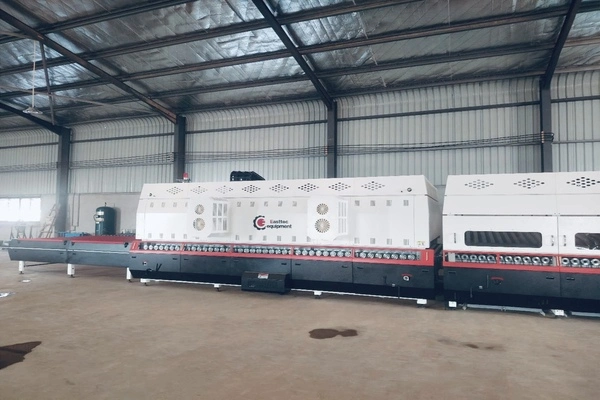
Instead of idly waiting for glass to receive radiant energy, devices like Convection Flat Glass Toughening Equipment that use convection push warm air onto the surfaces of glass. High-temperature blowers move a lot of air quickly, which transfers heat directly to the glass. Low-E coatings reflect light, but this forced circulation gets around that. Instead, hot air molecules directly touch the glass surface, moving heat. This makes the burning even and effective at reaching the glass core, no matter what kind of covering is used or how thick it is.
At EASTTEC EQUIPMENT, our systems use real forced convection technology and ceramic parts that can handle temperatures up to 1300°C. This technical method makes sure that the thermal performance stays the same and doesn't change, so the temperature stays even during long production runs. The high-pressure convection mechanism moves air across the whole surface of the glass at the same time. This gets rid of the cold spots and uneven heating that regular furnaces can't get rid of.
Critical Process Parameters for Defect Reduction
The quality of the final product depends on how well the temperature is controlled. Modern convection ovens keep the temperature of the glass surface within ±5°C of being exactly right. This tight control stops areas from getting too hot, which can lead to iridescence on the surface, or too cool, which can cause weak tempering. Our inverter-controlled convection system changes the flow of air in real time to adapt to changes in the thickness of the glass or the qualities of the coating.
Optimized wind speed is very important. Too much air pressure can make it hard for the glass to stay in place on the wheels, and not enough flow can cause temperature changes. Our equipment has smart airflow adjustment that automatically changes based on the thickness of the glass, from 3 mm to 19 mm. This keeps the ideal heat transfer rates no matter what the product is. This ability to respond makes sure that quality stays the same even when production plans require switching between types of glass often.
Both the holding time and the cooling rates are taken into account. Compared to radiation furnaces, Convection Flat Glass Toughening Equipment cuts down on heating processes by 30%. This increases output without lowering quality. Because it can heat up quickly, glass spends less time at high temperatures, which lowers thermal stress and the chance of roller marks. Controlled quenching uses exact cooling curves to balance production speed with the best stress distribution. This makes toughened glass that always meets strict safety standards.
Integrated Quality Control Features
A lot of modern convection equipment has advanced monitoring features. Throughout the heating chamber, real-time temperature sensors keep an eye on the temperature at all times. Automated feedback systems change the convection parameters on the fly to account for changes in the environment's temperature or the glass's different properties. By continuously optimizing, the processing conditions stay at their best, which is something that standard furnaces can't do with just human adjustments.
Comparing Convection Technology with Alternative Approaches
Knowing the differences between pieces of equipment helps purchasing managers choose investments that meet output needs and quality goals.
Convection Versus Traditional Radiation Heating
Improving temperature consistency with Convection Flat Glass Toughening Equipment stands out right away. Temperature changes across large glass screens in radiation kilns are often more than ±15°C, but changes in convection systems are usually less than ±5°C. This level of consistency directly leads to lower defect rates. When our clients who process architectural glass switched from radiation technology to convection technology, the rejection rate dropped by more than 40%.
Another important difference is energy efficiency. Even though convection blowers use electricity, the much shorter heating cycles often mean that the cost of energy per square meter of processed glass is lower. Our design saves energy and helps producers cut power use by one-third compared to traditional equipment. This solves the problem of controlling production costs in glass tempering processes that use a lot of energy.
Metrics for reducing defects show that convection has measurable benefits. Most traditional kilns that handle Low-E glass have rejection rates of 12 to 18% because the glass is optically distorted and the tempering is not strong enough. These losses are cut down to 3–5% by convection systems, which directly boosts profits by increasing outputs and lowering waste. Even in thin 3mm to 4mm architectural lites, bowing and warping are not possible because the thermal loading is balanced.
Procurement Considerations for Equipment Selection
Reliability and expert help from suppliers are key to long-term success. EASTTEC EQUIPMENT offers technical support 24 hours a day, 7 days a week, so that production can keep going even when problems arise. Our experts have been working with glass for more than thirty years and can give you useful advice on how to improve the process and fix problems. This all-around help is very useful during the usual three to twelve month review time that comes with buying big pieces of equipment.
The ability to customize equipment meets the needs of different regions. For different markets, the voltage system needs to be changed. Our furnaces can work with 220V, 380V, and 415V configurations at 50/60Hz, which are global industrial standards. Different production factors are changed based on the needs of the process and the result. Our English, Spanish, Russian, Korean, and Portuguese operation menus make sure that operators can work with confidence, no matter what language is most common in their area.
Maintenance Practices That Sustain Quality Performance
Even the most advanced machinery needs regular upkeep to keep working at a high level for as long as it's supposed to.
Essential Maintenance Routines
Cleaning the convection pipes on a regular basis keeps them from losing their effectiveness. When dust builds up on ceramic parts, it makes heat transfer less effective, which slowly makes heating times and temperature changes longer. Cleaning on a regular basis every 500 hours keeps the airflow patterns in good shape. Our ceramic fan bearings are very durable and are expected to last for 20,000 hours or more before they need major service. This is possible as long as the thermal expansion joints are properly inspected.
Sensor adjustment makes sure that measurements are correct. Over time, temperature sensors may move slightly, which could cause control systems to work outside of their ideal range. Every three months, sensors are calibrated again to make sure they are accurate, and devices are recalibrated to keep the tight temperature control that stops flaws. This method finds problems with measurements before they hurt the quality of the product.
Inspections that are planned ahead of time for Convection Flat Glass Toughening Equipment catch new problems early. Roller state is checked once a month to find wear patterns before they cause surface flaws on glass. By aligning the convection nozzle, you can be sure that the airflow stays the same. By looking at the control system logs, you can see patterns in the working factors that could mean problems are starting to form and need your attention.
Operator Training and Process Optimization
Skilled workers make a huge difference in how well the production goes. People who work with tools are taught through thorough training classes how to use it correctly for different types of glass. Within a week, new operators can learn how to use our easy-to-understand software and controls, which helps solve the problem of a lack of skilled workers that affects the whole industry.
Techniques for optimizing processes keep quality checkpoints constant. Setting up standard operating procedures for common glass specifications makes sure that the same results are achieved during each shift. Writing down the mixtures of parameters that work well creates institutional knowledge that stops quality changes when experienced operators aren't available. Quality checks are done on a regular basis to make sure that the levels of optical clarity and tempering stress are still within suitable ranges.
Selecting Equipment That Matches Your Production Needs
When making decisions about purchases, technical specifications need to be carefully weighed against operational needs and long-term business goals.
Matching Equipment to Production Requirements
Size of equipment is based on how much it can produce. Larger kilns with higher output are better for companies that handle a lot of standard architectural glass. Companies that serve niche markets and change their products often put flexibility and the ability to quickly change recipes ahead of reaching their full capacity.
Glass size ranges and thickness options need to match the products that are being sold. Equipment that can handle sizes ranging from small appliance panels to over-sized building lites can meet a wide range of customer needs. We can precisely process thicknesses from 3 mm to 19 mm, and our flatness and optical clarity are the best in the industry across the whole specification range. This includes both thin furniture glass and thick safety glazing.
Coating compatibility is an important requirement for building glass makers. Equipment designed for high-performance Low-E glass with an emissivity as low as 0.01 keeps coatings safe and makes sure that the glass is heated evenly. With this specialized skill, producers can go after high-value building projects that need glazing systems that save energy.
Evaluating Supplier Capabilities and Support
When you trust a supplier's technical knowledge, you can be sure that the equipment will work well. Professional glass tempering technology from EASTTEC EQUIPMENT has been combined with European quality control standards and Italian convection technology since 1994. Our past performance shows that we can provide solid thermal processing options.
Long-term owning experience depends on help after the sale. Full installation, commissioning, and training services make sure that the start of production goes smoothly. Ongoing expert support answers practical questions and finds ways to improve things. Having extra parts on hand reduces the chance of downtime, which can have a big effect on delivery times and customer happiness.
Setting realistic goals for delivery times is important. As custom-made pieces of capital equipment, glass tempering furnaces usually take between 60 and 120 business days to make and deliver, based on the type. Knowing these dates helps procurement managers make sure that the coming of equipment doesn't interfere with the needs to prepare the building and plan production.
Conclusion
Quality problems in glass melting for Convection Flat Glass Toughening Equipment cost a lot because they lose materials, make customers unhappy, and make the company less competitive. These problems can be solved directly by convection technology, which heats evenly and gets rid of the main causes of common flaws. The principle of forced air circulation gets around the reflectivity of Low-E coatings, making sure that heat is evenly spread across glass surfaces. Intelligent airflow adjustment and real-time process control keep conditions at their best automatically. Modern convection equipment produces consistent quality that sets market winners apart from failing competitors when it is properly maintained and operated by trained professionals. When manufacturers choose the right tools from reputable providers, they can confidently serve markets that have high standards.
FAQ
What advantages does convection technology offer over traditional radiation furnaces?
Active forced air movement in convection systems makes temperatures more even, getting rid of cold spots and uneven warmth. By going around the radiant heat shield effect, this technology works well on reflective Low-E glass. The production efficiency goes up because heating processes are 30% faster, and failure rates go down a lot because the heat is distributed evenly. Even when the blower is running, energy use often goes down because shorter cycle times use less electricity per treated square meter.
How does convection heating improve energy efficiency?
Even though high-temperature blowers use electricity, the overall cost of energy is usually less because heating times are cut down so much. Our inverter-controlled technology changes the flow of air on the fly, which improves heat transfer and cuts down on wasteful power use. The efficiency design cuts the amount of power used by about a third compared to regular equipment. This directly addresses the problem of controlling costs in tempering processes that use a lot of energy.
What maintenance does convection equipment require?
Cleaning the convection ducts every 500 hours of operation is an important part of regular maintenance that keeps the airflow working well. Sensors are calibrated every three months to make sure they accurately measure temperature. Every month, the rollers, nozzles, and thermal expansion joints are checked to make sure they are in good shape. Our ceramic fan bearings are very durable and only need to be serviced every 20,000 hours or so. By following these simple steps, you can keep the equipment working well and the quality of the products you make high for as long as it is in use.
Partner With EASTTEC EQUIPMENT for Superior Glass Processing Solutions
Our experienced team at EASTTEC EQUIPMENT can help manufacturers get rid of quality problems and increase production efficiency. As a leading manufacturer of Convection Flat Glass Toughening Equipment, we offer thermal processing solutions that are tailored to your specific needs. With our forced convection technology, we can get perfect flatness and visual clarity while protecting delicate Low-E coats. We set up tools perfectly for your facility by adapting the voltage system, optimizing output parameters, and providing multilingual interfaces, among other things. Email us at sales@easttecmachine.com to talk about how our tried-and-true technology can change the way you temper glass and set your business up for growth in global markets that are very demanding.
References
1. Haldimann, M., Luible, A., & Overend, M. (2008). Structural Use of Glass. Zurich: IABSE-AIPC-IVBH.
2. Gardon, R. (1980). Thermal Tempering of Glass. Glass Science and Technology, Volume 5: Elasticity and Strength in Glasses. Academic Press.
3. Narayanaswamy, O. S. (1978). Stress and Structural Relaxation in Tempering Glass. Journal of the American Ceramic Society, 61(3-4), 146-152.
4. Anttila, S. (2016). Improving Glass Tempering Process through Convection Heat Transfer Optimization. Tampere University of Technology Publication.
5. Shen, J., Lochegnies, D., Guskov, M., & Oudjene, M. (2018). Experimental Investigation of Heat Transfer and Stress Distribution in Glass Tempering. International Journal of Thermal Sciences, 130, 381-395.
6. Nielsen, J. H., Olesen, J. F., Poulsen, P. N., & Stang, H. (2010). Numerical Simulation of Realistic Glass Fracture Based on Laboratory Testing. Proceedings of Challenging Glass 2 Conference on Architectural and Structural Applications of Glass.

USER EVALUATE
Here is the customer's evaluation of us