




Full Convection Flexible Roller Glass Tempering Machine Supports Efficient Large-Scale Glass Production
When glass manufacturers face pressure to increase daily output while holding firm on quality, equipment selection becomes a defining business decision. A Full Convection Flexible Roller Glass Tempering Machine addresses this pressure directly. By combining high-pressure forced-air convection with an adjustable flexible roller bending system, this machine type delivers consistent thermal processing across a broad glass thickness range — from 4mm decorative panels to 19mm structural glass — while cutting heating cycle times by up to 30% compared to radiant-only systems. For large-scale architectural, automotive, and appliance glass producers, this translates into measurable gains in throughput, yield rate, and operating cost control.
Understanding Full Convection Flexible Roller Glass Tempering Machines
What Sets This Technology Apart
Radiant heating elements placed above and below the glass surface are what make traditional rigid roller tempering furnaces work. These systems work well with flat, standard-thickness glass, but they don't work well with Low-E coated glass or curved profiles because the coating reflects radiant energy, making the temperature uneven. This problem can be fixed by using a flexible roller tempering system and full convection heating. This works by forcing hot air through the furnace chamber and through the thermal barrier that low-emissivity coatings create.
Core Technical Specifications
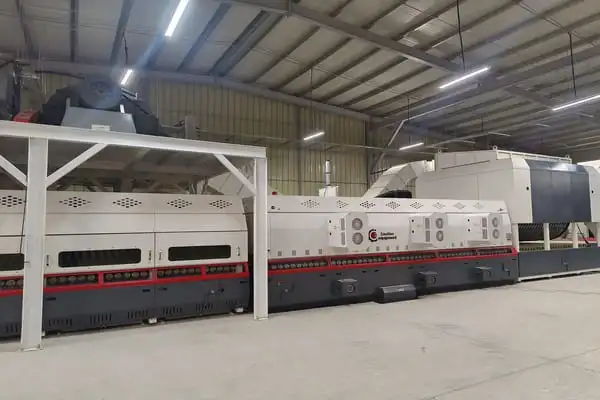
The convection bendable roller furnace from EASTTEC can work with glass that is 4 mm to 19 mm thick, and as little as 0.01% emissivity is found in low-E glass. A high-temperature ceramic fan is used in the high-pressure ventilation system. It can handle temperatures up to 1300°C without breaking down. High-density composite insulation cuts down on heat loss by 20%, and the IPC and PLC control interface lets workers digitally handle bending radius, pressure curves, and recipe memory, so they can switch between product profiles without having to reconfigure everything by hand.
Customization and Global Compliance
The Full Convection Flexible Roller Glass Tempering Machine works with voltages of 220V, 380V, and 415V at 50/60Hz around the world. It also has software menus in English, Spanish, Russian, Korean, Portuguese, and more. All units ship with a CE label, which means they meet international safety standards for working with architectural glass. Based on the configuration, delivery takes between 60 and 120 working days. EASTTEC's one-stop service process includes full installation, commissioning, and operator training.
Advantages of Full Convection Flexible Roller Glass Tempering Machines Over Traditional Methods
The Real Cost of Conventional Tempering Equipment
There are secret costs that add up over time with older radiant-only tempering stoves. When heating steps are slower, fewer batches can be handled in a shift. More raw materials are wasted because of higher breakage rates caused by uneven heat distribution. When a new curvature specification comes up in the production schedule, fixed-mold bending systems need to have expensive tooling changes made. All of these things lower ROI and make it harder for factories to quickly fill custom orders.
The main reasons why this flow bending method works better than other options are listed below:
- 30% Faster Heating Cycles: The high-pressure convection system circulates heated air uniformly across coated and uncoated glass surfaces alike, reducing the time each sheet spends inside the furnace. For a facility running two shifts, this alone can add dozens of additional production cycles per day.
- Low-E Coating Protection: By penetrating the reflective barrier of low-emissivity coatings without relying solely on radiant energy, the system prevents film oxidation and maintains uniform heat absorption across the glass surface — a critical requirement for high-spec architectural curtain wall projects.
- 20% Lower Energy Loss: Optimized insulation and thermal management reduce heat dissipation from the furnace body, lowering monthly electricity overhead and reducing the facility's carbon footprint without sacrificing throughput.
- Flexible Bending Without Mold Changes: High-tensile adjustable rollers allow operators to dial in large-span curvatures and diverse bending radii through digital input rather than physical tooling replacement. This gives production teams the mechanical flexibility to handle custom glass designs with minimal changeover time.
These benefits lower running costs, increase daily output, and boost yield rates. These are the three things that plant owners and production managers look at most closely when deciding whether to buy new capital equipment.
Selecting the Right Full Convection Flexible Roller Glass Tempering Machine for Your Business
Matching Equipment to Production Volume
When making curved Low-E panels for business curtain walls and normal flat tempered glass for domestic projects, the facility needs to meet different standards. Before deciding on a model, procurement managers should make a map of their daily throughput goals, the range of glass thicknesses, and the amount of coated and uncoated glass they sell. The necessary burner width, conveyor speed range, and convection pressure are all based on these three factors.
Evaluating Supplier Credibility and After-Sales Support
Reliability of equipment is most important when an unplanned stop means missing a delivery date. EASTTEC has been making glass processing equipment since 1994. They use Italian convection technology standards and a network of factories that have a lot of experience making big furnaces. Technicians offer online help 24 hours a day, seven days a week. The business offers a complete service model that includes project planning, production, installation, user training, and troubleshooting after the system is up and running, which lowers the chance of long periods of downtime.
Comparing Flexible Roller Systems Against Rigid Alternatives
For flat, single-thickness production runs, rigid roller and belt-type Full Convection Flexible Roller Glass Tempering Machines work well. But they can't handle the changeable bending angles that are needed for furniture glass or curtain wall panels that are shaped like cylinders. Flexible roller bending and tempering systems can work with both flat and curved profiles within the same equipment footprint. This makes them a better choice for facilities that need to serve more than one market segment at the same time because they use less capital.
Maintenance and Optimization Tips for Long-Term Efficient Operation
Routine Inspection Priorities
The roller drive system, the convection fan assembly, and the heating element zones are the parts of a convection bending furnace that have the most direct effect on the quality of the output. Every week, the synchronization of the rollers is checked, and every month, the servo motor settings that control the bending curve are calibrated. This keeps radius drift from building up and causing problems with the product. The way EASTTEC is made makes sure that new workers can learn simple maintenance tasks in just one week of training.
Troubleshooting Common Faults
Uneven tempering stress across a glass sheet is usually a sign of uneven airflow inside the furnace room or a convection nozzle that is partly blocked. Most of the time, overheating is caused by thermocouple calibration drift in one or more PID temperature zones. The IPC control interface logs problem codes along with timestamps, which makes analysis much faster.
Long-Term Energy and Output Optimization
Putting pre-set cooking recipes for each type of glass into the PLC system helps facilities that work with mixed product batches. This gets rid of the need to enter parameters by hand between runs and lowers the chance of operator error when shifts change. Tracking the speed of the conveyor belt in relation to the temperature of the furnace over the course of several production weeks also shows small decreases in efficiency that can be caught before they affect yield rates.
Procurement and Investment Considerations for Large-Scale Glass Manufacturers
Understanding Pricing and ROI Timelines
Glass tempering furnaces are big pieces of machinery, and their prices depend on how complicated the engineering is, how big the kiln is, and how much customization is included. Instead of selling a standard catalog item, EASTTEC customizes each unit to the buyer's production needs, including the power system, furnace length, range of glass sizes, and software language. While this does change the lead time and price, it also makes sure that the equipment fits the production environment from the start, which speeds up the return on investment (ROI) by avoiding expensive changes that need to be made after the equipment is installed.
Global Delivery and Installation Logistics
EASTTEC takes care of foreign shipping operations, helps with import paperwork, and installs and commissions equipment for customers in North America and around the world. After the equipment is set up, full user training is done on-site to make sure the production team can use it without help from the EASTTEC team before they leave.
Warranty and After-Sales Commitment
Long-term risk is much lower for equipment with structured warranty terms and easy access to spare parts networks than for equipment bought from suppliers without dedicated after-sales infrastructure.
Conclusion
Glass companies that work with architectural, automotive, and appliance glass are always under pressure to make more, waste less, and respond quickly to special orders. A convection-based flexible roller bending furnace can handle all of these pressures by offering faster cycle times, effective Low-E glass processing, energy-efficient insulation, and digitally controlled bending. It does all of this in a CE-certified Full Convection Flexible Roller Glass Tempering Machine that was made for large-scale production that goes on all the time. These skills have been improved by EASTTEC for more than 30 years. The technical performance data and service structure described here give procurement teams that are thinking about this investment a good foundation for making an informed choice.
FAQ
1. How does the convection system improve Low-E glass tempering quality?
The high-pressure forced-air convection system moves hot air straight across the glass surface, going around the reflected barrier that Low-E coatings make. This makes the sheet absorb heat evenly, so there are no hot spots that could distort the image or cause the coating to oxidize.
2. What glass thickness range does this equipment handle?
Low-E glass with an emissivity as low as 0.01.
3. Can the bending radius be adjusted between production runs?
Yes. The IPC and PLC interface lets workers digitally enter new bending parameters or call up recipes that have already been saved. The flexible roller system changes the curve without changing the tools themselves, which cuts down on the time it takes to switch between different product specifications.
4. What energy savings can a facility realistically expect?
High-density composite insulation cuts heat loss by 20%, and the heating cycle is 30% faster. This means that a lot fewer kilowatt-hours are used per unit of output. Customers have cut their power use by about a third by using EASTTEC's energy-saving design instead of older radiant-only systems.
5. What after-sales support does EASTTEC provide?
Technicians at EASTTEC offer online help 24 hours a day, 7 days a week, as well as installation and commissioning services, full training for operators, and an organized supply chain for spare parts. The company's one-stop service model includes all stages of a project's life, from planning to support after it's been put into use.
Ready to Evaluate a Flexible Roller Tempering Furnace for Your Facility? Contact EASTTEC EQUIPMENT
Since 1994, EASTTEC EQUIPMENT has worked with glass manufacturers all over the world. Its standards for Italian convection technology are combined with the ability to make many changes to fit specific needs. Our engineering team is ready to look over your requirements and make a custom configuration plan, whether you are looking for a Full Convection Flexible Roller Glass Tempering Machine source for a new production line or to replace old equipment. You can email us at sales@easttecmachine.com to get price information, technical specs, or a product sample.
References
1. Glass International. (2022). Energy Efficiency in Industrial Glass Tempering Furnaces: Current Technologies and Trends.
2. Journal of the American Ceramic Society. (2021). Thermal Processing of Low-Emissivity Coated Glass: Challenges and Engineering Solutions.
3. Construction and Building Materials. (2023). Structural Performance of Tempered Curved Glass in Curtain Wall Applications.
4. Glass Processing Days Conference Proceedings. (2019). Advances in Forced Convection Heating for Architectural Glass Tempering.
5. Solar Energy Materials and Solar Cells. (2022). Thermal Toughening of Photovoltaic Cover Glass: Process Parameters and Quality Outcomes.
6. International Journal of Applied Glass Science. (2020). Flexible Roller Bending Systems: Optical Quality and Tempering Stress Uniformity in Curved Glass Production.

USER EVALUATE
Here is the customer's evaluation of us