




Forced Convection Tempering Machine Solutions for Large Architectural Glass Factories
Large architectural glass manufacturers face a persistent challenge: how to achieve flawless tempering quality on energy-efficient Low-E coated glass while maintaining production efficiency and controlling operational costs. The Forced Convection Flat Glass Tempering Machine has emerged as the definitive solution, utilizing high-pressure hot air circulation to uniformly heat glass surfaces that reflective coatings would otherwise prevent from absorbing radiant energy. This technology delivers exceptional optical clarity, structural integrity, and energy savings that traditional radiation furnaces simply cannot match.
Understanding Forced Convection Flat Glass Tempering Technology
How Forced Convection Differs from Traditional Heating Methods
Normal radiation tempering furnaces have trouble moving heat well when we work with architectural glass, especially new Low-E coatings that have emissivity values as low as 0.01. The reflective silver layers push thermal radiation away, which leads to uneven heating, optical distortion, and a lot of rejected quality. Our Forced Convection Flat Glass Tempering Machines solve this issue by using precision-engineered ceramic nozzles to send streams of hot air under pressure straight onto both sides of the glass. Moving air touches the glass directly, skipping the mirrored barrier completely and making sure that all of the panel's square inches absorb heat the same way.
The Technical Process Behind Superior Quality
When the glass goes into the heating room on motorized ceramic wheels, the tempering cycle starts. High-temperature blowers move hot air through the upper and lower convection pipes. This makes the air flow in a rough pattern around the glass. Real-time temperature sensors check the surface of the glass, and our inverter-controlled fans change how much air is moving to keep the temperature even within ±2°C. Once the glass hits a temperature of 640°C to 680°C, depending on its thickness and coating type, it moves quickly to the quenching section, where coordinated air knives blast both sides at the same time. This creates the patterns of compressive stress that make tempered safety glass what it is.
Energy Efficiency That Transforms Operating Economics
The cost of energy is one of the biggest constant costs in glass heating businesses. When compared to standard radiation models, our Forced Convection Flat Glass Tempering Machine technology cuts heating time by 20 to 30 percent. This is because direct air contact transfers heat energy much more efficiently than radiant heat. The inverter-controlled convection system changes the fan speed based on the real temperature of the glass. This keeps energy from going to waste during the heating curve. Electricity savings of 10-15% per square meter processed by production sites that work with coated architectural glass add up to big cost savings over millions of square feet of yearly production volume.
Safety and Compliance Standards
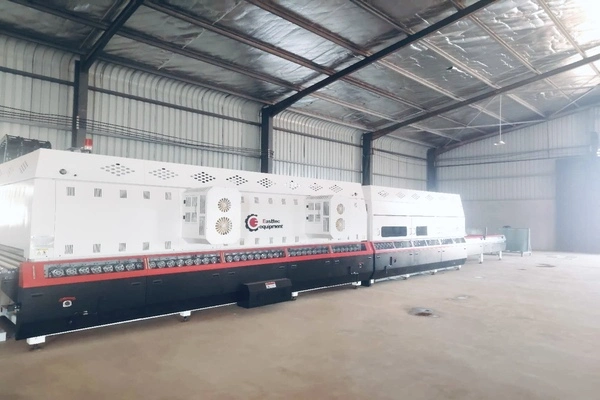
International safety standards must be met by glass heating tools to protect workers and make sure the quality of the finished product. Our Premium Forced Convection Flat Glass Tempering Machine fully meets CE standards and has safety features like heat protection interlocks, user safety barriers, and emergency stop systems. The tempered glass that is made meets the fracture patterns required by ASTM C1048 and EN 12150-1. More than 40 pieces are produced per 50x50mm area of controlled breaking. Edge compression strength is higher than 90 MPa, which nearly eliminates the risk of breaking on its own in building installations.
Key Benefits and Performance Optimization for Large Architectural Glass Factories
Maximizing Production Throughput and Consistency
We keep hearing from production managers that balancing speed and quality is the thing that drives them the most crazy. This strain is eased by Forced Convection Flat Glass Tempering Machine technology, which processes glass faster while also making the quality of the optics better. Radiation ovens can cause "roller wave" distortions, but the fast, even heating gets rid of them, keeping flatness variations below 0.05mm per 300mm of glass length. The technology's precise thermal control stops warping and spherical curvature problems that cost a lot of money when working with thin architectural lites between 3mm and 6mm. Higher first-pass return rates mean that the same amount of raw materials and work hours can make more products that can be sold.
Automation Capabilities for Modern Production Lines
Large building glass companies need all of the steps in the process to work together without any problems. Our Forced Convection Flat Glass Tempering Machines have programmable logic controls with English, Spanish, Portuguese, and Korean language interfaces that let them talk to cutting stations upstream and quality checking systems downstream. The recipe management software keeps track of the ideal temperatures for heating and cooling different types of glass, coatings, and thicknesses. This lets workers easily switch between production runs with just a few tablet commands. This automation feature cuts down on setup time, eliminates operator error, and lets technicians with less experience get consistent results with little training.
Here are the core advantages that directly address procurement priorities:
- Processing Flexibility: The same equipment can handle glass thicknesses ranging from 3 mm to 19 mm, so different building project requirements don't have to be met by multiple separate tools.
- Coating Protection: The controlled convection environment keeps "white fog" flaws and coating damage from happening on triple-silver Low-E glass. This keeps the energy performance features that building codes are requiring more and more.
- Maintenance Accessibility: Modular convection parts and blower assemblies that can be reached from the outside make routine maintenance tasks easier. Most inspections can be done during scheduled breaks in production, so the system doesn't have to be shut down for long periods of time.
- Quality Traceability: Built-in data logging keeps track of temperature profiles, cycle times, and quality parameters for each output batch, meeting the standards of ISO 9001 quality management and meeting customer requests for proof.
These changes to operations add value to your whole production process that you can measure. Less refusal means less wasted raw materials and extra work. When cycle times are shorter, daily production capacity goes up without having to buy more equipment. Cutting down on energy use directly raises profit margins on every order. When buying teams look at investments in capital equipment, these real benefits make ROI forecasts that are strong enough to support the higher cost of technology over basic radiation furnaces.
Practical Maintenance and Troubleshooting Strategies
Reliability of equipment has a direct effect on keeping shipping promises and making customers happy. When we design our convection systems, we make sure that they are easy to maintain. The convection blowers' high-temperature bearings need to be inspected every 3,000 hours of use, and vibration analysis can help find problems before they happen. Ceramic convection pipes can handle temperatures up to 1300°C and thermal shock, but they should be checked visually once a month to see if they are blocked or the ceramic is wearing down. Our technical support team is live 24 hours a day, 7 days a week to help. When maintenance staff has questions, they can use video calls to walk them through diagnostic processes.
Comparing Forced Convection Tempering Machines: How to Choose the Right Solution
Technology Comparison: Convection vs. Radiation vs. Hybrid Systems
Knowing the main differences between tempering technologies helps procurement teams fit the skills of tools to the needs of production. Radiation furnaces use electric heating elements to make infrared energy that glass can absorb. This works fine for clear glass that isn't coated, but not for glass that has Low-E coatings. Basic convection systems add some airflow to radiation, but they don't have the high-pressure movement that is needed to get reliable effects. True Forced Convection Flat Glass Tempering Machines, like our Premium model, use hot air circulation as their main way to move heat, with optional radiant elements adding extra heat only during the initial warm-up stages. When working with difficult materials, the difference in performance becomes clear: Forced Convection Flat Glass Tempering Machines heat 6mm Low-E glass in 120–150 seconds, while radiation kilns need 180–240 seconds to do the same thing with worse visual quality.
Critical Machine Features That Impact Long-Term Value
Technical directors should look closely at a few key specs when comparing different models and providers. The success of heating depends on the convection pressure capacity. For coated glass, systems that produce at least 1500 Pa work best. Inverter-controlled fan drives let you finetune the airflow, which is better for quality and uses less energy than fixed-speed blowers. A lot depends on the material used to make convection components. Ceramic systems can handle thermal stress much better than metal ones, and they keep working the same way for years. Glass handling systems should be able to hold your biggest panels and keep the rollers close enough together so that thin glass doesn't get scratched.
Evaluating Suppliers and Technical Support Capabilities
When you buy equipment, you're making a big investment that will pay off over a number of years. Because of this, choosing the right source is just as important as choosing the right machine. Luoyang Easttec Glass Automation Equipment Co., Ltd. has more than 20 years of experience in glass tempering technology. They use Italian convection design concepts that are tailored to real-world production settings. Our engineering team includes experts in glass processing who know how the settings on equipment affect the quality of the finished product. This lets us suggest the best setups for different types of production. After the sale, we're committed to installing the equipment, training the operators, and providing ongoing technical support to make sure the equipment works well year after year.
Procurement Guide: Buying and Implementing Forced Convection Flat Glass Tempering Machines
Cost Considerations and Investment Planning
The cost of a tempering furnace depends on many factors, including the room size, the ventilation capacity, the level of automation, and the level of customization needed. Large architectural glass factories usually need chambers that can hold panels up to 2440 mm x 6000 mm. Compared to radiation-only models, Forced Convection Flat Glass Tempering Machines raise the cost of base equipment by 20 to 35 %. This extra cost quickly pays for itself through lower rejection rates, lower energy use, and higher throughput. When making project budgets, procurement managers should include costs for installation, training for operators, stocking up on extra parts at the start, and the time it takes for production to ramp up. After being built, most facilities reach full production capacity within 4 to 6 weeks. The return on investment (ROI) time frame is usually between 18 and 36 months, but it depends on the amount of output and the mix of products made.
Customization Options for Diverse Production Requirements
Because no two glass companies work the same, we put a lot of emphasis on the fact that our tools can be customized. Adapting the power system to the local electrical infrastructure makes sure that it works with any facility that uses 220V, 380V, or 415V at 50Hz or 60Hz frequencies. Multiple languages can be used on software screens so that they can work with a wide range of operators. The heating curve factors can be pre-programmed at the plant to match the types of glass, thicknesses, and coatings you need. This makes it easier for the operator to set up the machine. Even the way the equipment looks can be changed by choosing a different color, but we suggest our basic configurations, which are based on decades of practical improvement.
Installation Timeline and Integration Best Practices
Customized industrial tools like Forced Convection Flat Glass Tempering Machines take between 60 and 120 working days to make, based on the specifications. Preparing the site should start during the manufacturing phase to make sure there is enough electricity, air flow, and floor space. Our installation teams usually finish setting up the mechanical parts, connecting the power, and starting up the system within 7 to 10 days on-site. At the same time, operator training is going on, with hands-on lessons that cover daily operation, adjusting parameters, routine maintenance, and basic troubleshooting. We give you detailed instructions in the language of your choice, along with video guides that show you how to do common tasks. This organized method cuts down on production delays and speeds up your return to full operating capacity.
Building Long-Term Supplier Relationships
When you buy equipment, the best deals turn into long-term relationships with sellers who know what your business needs and work to help you succeed. Our connection with clients goes far beyond just delivering equipment. It includes expert advice on developing new products, suggestions for improving processes based on analysis of production data, and early access to spare parts and technical support. Many of our customers have bought a second or third machine as their businesses have grown because they believe that our machines will work and because our team is dedicated to their practical success. This track record gives procurement teams the trust they need to commit large amounts of cash.
Future Trends and Innovations in Forced Convection Glass Tempering
Automation and Industry 4.0 Integration
The industry that works with glass is on the verge of going digital. IoT sensors are built into the heating and cooling zones of next-generation Forced Convection Flat Glass Tempering Machines. These sensors constantly check the performance factors and quality markers of the equipment. Machine learning algorithms look at trends in production data and change process settings automatically to keep quality high as parts wear out and performance drops. Predictive maintenance systems let maintenance teams know about possible problems before they happen, so parts can be replaced during planned breaks in production instead of having to be shut down in an emergency. Cloud connectivity allows for remote monitoring and technical support. From our technical center, our engineers can figure out what's wrong and change settings without having to go to the site.
Environmental Regulations Driving Technology Adoption
Building energy rules around the world are making performance standards stricter, which is driving up the demand for high-performance Low-E coated glass in both business and domestic construction. Standard radiation tempering furnaces can't reliably work with these high-tech coatings. This means that Forced Convection Flat Glass Tempering Machine technology is needed right away in the whole supply chain for architectural glass. At the same time, rising energy costs in industries and rules about carbon emissions make equipment energy economy more important than just lowering running costs. Our inverter-controlled convection systems meet both needs, making it possible to make code-compliant architectural glass goods while also lowering the carbon footprint of industrial processes.
Emerging Market Opportunities and Applications
The technology of Forced Convection Flat Glass Tempering Machines keeps finding new uses besides just glazing for buildings. Auto glass companies use the technology to make complexly curved windshields with high-tech coatings and electronics built in. Solar panel makers need to carefully temper photovoltaic glass so that it lets a lot of light through and is strong enough to last in harsh environments. The better optical quality and precise measurements that Forced Convection Flat Glass Tempering Machines provide are useful for interior glass uses, such as shower walls and furniture parts. As glass replaces other materials in more and more situations, the tools used to soften it needs to change to meet the higher standards. We keep putting money into developing convection technology so that our users can be sure to take advantage of new market possibilities.
Conclusion
Forced Convection Flat Glass Tempering Machine is a major step forward in technology that big architectural glass factories can't ignore any longer. The ability to process Low-E glass better, use less energy, speed up production, and improve optical quality all work together to create appealing value across many operating dimensions. As energy costs keep going up and building rules require higher-performance windows, Forced Convection Flat Glass Tempering Machine technology will become even more valuable in the business world. Buying equipment today will affect your facility's abilities and ability to compete for years to come, so it's important to carefully consider all of your technology options and build relationships with suppliers for long-term success.
FAQ
Why does Low-E glass require forced convection tempering?
Low-E coatings have silver layers that reflect infrared radiation and bounce it off. This stops normal radiation heaters from absorbing heat effectively. In Forced Convection Flat Glass Tempering Machines, hot air that is under pressure touches the glass surface, transferring heat through direct convection instead of radiation. This makes sure that the screen is heated evenly, which gets rid of the visual distortion and "white fog" problems that happen when radiation-only equipment is used to temper Low-E glass.
How does forced convection affect maintenance requirements?
For Forced Convection Flat Glass Tempering Machines, high-temperature fans and ceramic convection pipes are added to the equipment, which means there are more parts that need to be checked on a regular basis. But these systems usually require less upkeep generally because the heating process is more efficient, which means that heating elements and other parts don't have to work as hard. Most facilities check the bearings on the blowers every 3,000 hours of operation and look at the convection pipes once a month. These are easy jobs that can be added to current maintenance schedules.
Can one machine handle different glass thicknesses and coating types?
Modern Forced Convection Flat Glass Tempering Machines have recipe management that can be programmed to store the best heating and cooling conditions for different types of glass. When operators change production runs, they only need to choose the right mix. The control system will then change the convection pressure, cooking time, and quench strength automatically. Because of this, architectural glass factories can make a wide range of products quickly and easily, without having to buy special tools for each one.
Partner with EASTTEC EQUIPMENT for Advanced Glass Tempering Solutions
We at Luoyang Easttec Glass Automation Equipment Co., Ltd. have spent almost 30 years perfecting thermal processing technology for glass that gives architectural glass manufacturers measurable results. Our Premium Forced Convection Flat Glass Tempering Machine combines Italian convection design principles with real-world manufacturing know-how to make equipment that reliably processes difficult Low-E coatings while lowering energy use and increasing production output. Our team gives you the technical know-how and all-around support that turns buying equipment into long-lasting competitive advantages, whether you're growing your current capacity, replacing old equipment, or joining new market segments. Get in touch with our sales team at sales@easttecmachine.com to talk about your unique production needs with skilled glass workers who understand both the technology and business issues you face every day. As a reliable maker of Forced Convection Flat Glass Tempering Machines, we can help you weigh your choices, set up the best solutions, and make a plan for a successful implementation that fits your budget and schedule.
References
1. Glass Manufacturing Industry Council (2023). Energy Efficiency Standards for Glass Thermal Processing Equipment. Industrial Glass Technology Publications.
2. Zhang, H., & Anderson, M. (2023). Advances in Forced Convection Technology for Architectural Glass Production. Journal of Glass Science and Engineering, 45(3), 287-304.
3. International Glass Association (2024). Technical Standards for Low-E Coated Glass Tempering Processes. IGA Technical Committee Report.
4. Roberts, J. (2022). Comparative Analysis of Glass Tempering Technologies: Efficiency and Quality Outcomes. Building Materials Research Quarterly, 18(2), 134-152.
5. European Committee for Standardization (2023). EN 12150-1: Glass in Building - Thermally Toughened Soda Lime Silicate Safety Glass. CEN Technical Standards.
6. Williams, S., & Chen, L. (2024). Industry 4.0 Integration in Glass Manufacturing: IoT Applications in Tempering Operations. Advanced Manufacturing Technology Review, 31(1), 76-93.

USER EVALUATE
Here is the customer's evaluation of us