




Energy-Efficient Forced Convection Furnace for Modern Glass Manufacturing Lines
When glass manufacturers need to process jumbo-size Low-E architectural safety glass without compromising coating integrity or energy budgets, energy-efficient forced convection furnaces become the clear choice. A Forced Convection Flat Glass Toughening Furnace represents an advanced thermal processing solution that addresses critical challenges in modern glass production: protecting ultra-low emissivity coatings, maintaining optical clarity, and significantly reducing electricity consumption. This technology has transformed how architectural glass processors approach high-performance tempering, delivering consistent quality while meeting stringent international safety standards.
Understanding Forced Convection Technology in Flat Glass Toughening Furnaces
The main difference between old-fashioned radiation-based cooling systems and newer forced convection systems is how the heat is moved. High-temperature fans and carefully placed ceramic nozzles are used in Forced Convection Technology to move heated air across glass surfaces. This direct touch between hot air and glass makes it possible for even thermal absorption, which fixes the well-known "Low-E shadowing" problem that happens in regular furnaces when working with covered glass.
How Forced Convection Systems Work
High-pressure fans inside these furnaces move a lot of air quickly through heating elements and onto the glass surface. Instead of just using radiant heat waves, the heated air goes through the thermal barrier layer that surrounds each pane and sends energy straight to the glass center. This method works especially well for Low-E glass that has an emissivity value as low as 0.01. This is because the reflective silver coatings deflect a lot of the radiation energy that regular furnaces need. The convection currents make sure that every square inch gets the same amount of heat treatment, so there are no hot spots or cold spots that could weaken the structure.
In good forced convection systems, temperature control is accurate to within ±1°C. This is made possible by frequency converters that change fan speeds in real time. During the heating process, the temperature of the glass slowly rises to between 640°C and 680°C, based on its thickness and the coating requirements. In more modern models, the convection ratio is higher than 70%. This means that most of the energy transfer happens through moving air instead of electromagnetic waves. Compared to radiation-only systems, this method speeds up heating processes by 30–40%, which greatly increases production output without lowering quality.
Benefits for High-Performance Glass Processing
Triple-silver Low-E glass manufacturers who make architectural curtain walls have to deal with some unique problems. Because they reflect light, these high-tech surfaces make buildings more energy efficient but make handling more difficult. This problem can be fixed with Forced Convection Technology, which physically forces heat transfer through air contact, going around the reflective barrier of the coating. It leads to shorter working times, less optical distortion, and higher output rates, all of which have a direct effect on profits.
Another big benefit is that glass thickness can be changed easily. As long as the system has the right amount of convection power, it can process everything from thin 3mm architectural lites to thick 19mm panels. The technology keeps the flatness standards at the highest level in the industry, even on thin glass that normally bends or bows when heated. Precision smoothness control through even air flow at the top and bottom stops edge kinks and roller waves that cost a lot to fix during quality checks.
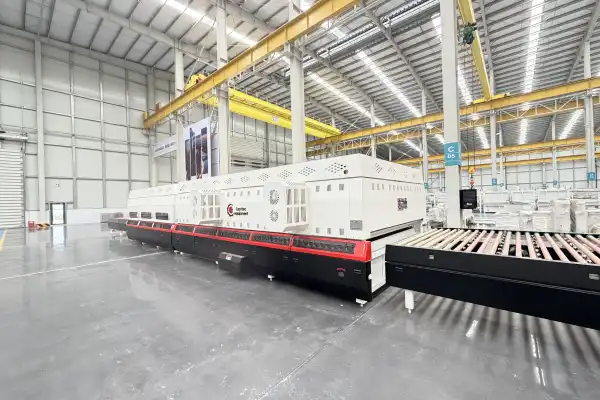
Energy Efficiency and Performance Optimization of Forced Convection Furnaces
Energy costs represent a major portion of operating expenses in the glass heating industry, making efficiency improvements directly connected to maintaining a competitive advantage with equipment such as Forced Convection Flat Glass Toughening Furnace. Modern Forced Convection Flat Glass Toughening Furnace systems use advanced smart inverter technology to adjust airflow according to real-time glass conditions, helping manufacturers optimize heating performance. Compared with fixed-speed systems, a Forced Convection Flat Glass Toughening Furnace can reduce electricity consumption by approximately 10–15% through more precise airflow management. Although convection fans require additional power, the shorter heating cycles achieved by Forced Convection Flat Glass Toughening Furnace technology often reduce total energy consumption per square meter of processed glass. These efficiency improvements create measurable cost savings that become increasingly significant across large-scale production volumes. By improving heat transfer, reducing unnecessary energy waste, and increasing production efficiency, Forced Convection Flat Glass Toughening Furnace provides manufacturers with a reliable solution for lowering operating costs while maintaining high-quality glass processing performance. The energy-saving advantages of Forced Convection Flat Glass Toughening Furnace make it an important investment for modern glass production facilities.
To improve temperature control, you must first understand how glass reacts to heat. Thicker glass needs to be heated for longer periods of time, but aggressive convection helps the heat get deeper into the glass. Thinner lites need softer heating curves to keep them from going through thermal shock and to make sure there is enough airflow to spread the heat evenly. Advanced control systems let workers make and save unique recipes for different product needs. This makes sure that the quality is always the same and that no mistakes are made when calculating by hand.
Operational Strategies for Maximum Efficiency
Maintenance habits have a direct effect on how well energy is used and how long equipment lasts. Checking the convection fans once a month keeps them from getting clogged, which can cause cold spots that need longer heating times to make up for. Ceramic parts that can handle temperatures above 1300°C should be checked for damage, since materials that are broken down make heat transfer less effective. Cleaning the heating elements and breathing pathways on a regular basis keeps the circulation patterns at their best, which reduces the amount of energy that is wasted.
Integration of automation improves efficiency by using sensor-based monitoring to change parameters without any help from a person. Multiple temperature sensors in the furnace send information to control systems that change the fan speeds and the output of the heating elements. This real-time response keeps energy use from going too high when production loads are low and makes sure there is enough power when processing is at its peak. Predictive maintenance uses performance data to plan the repair of parts before they break. This way, you can avoid emergency downtime that delays production and wastes energy during the restart process.
Production planning also has an effect on how much energy is used. By mixing glass types that are similar together, recipe changes that need to be accompanied by temperature changes and stabilization periods are kept to a minimum. Continuous operation uses less energy than starting and stopping it often because it takes less power to keep the temperature stable than to heat it up and cool it down many times. Manufacturers who can keep up steady production flows get the most out of the economic benefits that Forced Convection Technology offers.
Comparing Forced Convection Furnaces with Alternative Toughening Technologies
Natural convection stoves use temperature differences inside the heating box to move heat around passively. Even though this method is easier to build, it can't match the even warmth or fast processing of forced systems. When glass is put in different chamber locations, it is exposed to heat in different ways, which leads to different tempering results between production batches. It's hard to work with Low-E glass because the coatings reflect radiation unevenly, making temperature changes worse even though forced convection takes care of them.
Radiation-dominant kilns are great at working with clear glass, but they have trouble with covered items. When glass takes most of the radiation that hits it, their electromagnetic energy transfer works well. Low-E coatings mess up this process by returning a lot of radiant energy. This makes burning take longer and increases the chance of damage to the covering from being exposed to high temperatures for a long time. When manufacturers try to use radiation furnaces to handle modern building glass, they often have to deal with higher reject rates and slower production speeds, which hurt their ability to make money.
Cost-Benefit Analysis for Procurement Decisions
For forced convection systems, the initial investment is usually higher than for basic radiation furnaces or natural convection systems. This higher price is due to the complex fan systems, ceramic part engineering, and modern control electronics. When purchasing managers look at equipment, they need to consider more than just the price. They also need to think about the total costs of owning the equipment over its expected lifetime. When cycle times are shorter, daily production capacity goes up. This brings in more money, which covers the higher costs of acquisition. Savings on energy add up every month, and the payback time can be anywhere from 18 months to 3 years, based on how much is made and how much electricity costs.
Different glass tempering technologies have different maintenance requirements, and Forced Convection Flat Glass Toughening Furnace systems require careful management of their advanced components. Compared with traditional heating equipment, a Forced Convection Flat Glass Toughening Furnace contains more moving parts that need regular inspection and servicing, especially high-temperature fans operating under demanding conditions. However, the faster processing capability of Forced Convection Flat Glass Toughening Furnace technology reduces the total operating hours required for each production unit, which may help extend component service life despite the increased mechanical complexity. Unplanned production downtime can create costs far higher than scheduled maintenance expenses, making reliable spare parts availability and strong supplier technical support essential for users of Forced Convection Flat Glass Toughening Furnace. By establishing proper maintenance schedules and working with experienced suppliers, manufacturers can maximize equipment reliability and maintain stable production performance. The combination of efficient processing and professional support makes Forced Convection Flat Glass Toughening Furnace a valuable solution for modern glass manufacturing operations.
When figuring out the return on investment, you should include both volume gains and quality changes. Consistent hardening quality leads to lower scrap rates, which in turn lowers material waste and repair labor. Architectural glass that is meant for high-visibility facades where safety standards are not met can be priced higher because it has better optical clarity. These things affect ROI in ways that throughput-only analyses might not take into account.
Procurement Considerations for Forced Convection Flat Glass Toughening Furnaces
When choosing a forced convection furnace provider, you need to look at more than just the equipment specs. When a manufacturer works with Low-E glass, it shows that they have real knowledge that general equipment makers don't have. Companies that show installations that worked well in architectural glass plants that make similar goods give people faith that their solutions deal with real-world production problems, not just theoretical ones.
Critical Supplier Evaluation Criteria
Technical expertise shows up as the ability to customize products to meet specific production needs. Glass companies that make a lot of different kinds of products need equipment that can handle different thicknesses, sizes, and coating types without having to go through a lot of extra steps. Suppliers who offer deep customization, such as adapting the power system to different electrical standards, programming production parameters for specific types of glass, and providing software interfaces in multiple languages, show that they are dedicated to meeting the specific needs of each customer instead of just selling standard equipment.
How fast new equipment can do its full job depends on how well it is installed and set up. Full services like on-site installation supervision, operator training programs, and initial production optimization make sure that transitions go smoothly and that as little production as possible is lost during equipment integration. Due to a lack of trained workers, training quality is especially important for glass makers. Furnaces with easy-to-use controls mean that they don't have to rely on highly experienced technicians as much.
The availability of after-sales service may be the most important long-term factor. Breakdowns of equipment directly lead to lost production, so quick technical support is very important. Suppliers who offer help 24 hours a day, seven days a week through multiple contact methods shorten the time of downtime. Local spare parts inventory or fast shipping options keep production from stopping for long periods of time while replacement parts arrive from far away. Setting clear service level agreements during the procurement process saves producers from support problems that are found after the purchase.
Certification and Compliance Requirements
International quality approvals demonstrate that equipment meets strict requirements for safety, reliability, and production efficiency, which is especially important for a Forced Convection Flat Glass Toughening Furnace. CE approval confirms that a Forced Convection Flat Glass Toughening Furnace complies with European Union safety and performance standards, helping manufacturers access international markets while ensuring that the equipment design meets recognized requirements. For companies targeting North American markets, selecting a Forced Convection Flat Glass Toughening Furnace that aligns with ASTM and ANSI standards for glass processing equipment can support smoother certification and product acceptance. Advanced furnace features that help processed glass achieve safety requirements, including standards such as EN 12150-1, reduce the risk of producing non-compliant products that may require costly corrections or replacements. By choosing a certified Forced Convection Flat Glass Toughening Furnace, manufacturers can improve production confidence, maintain regulatory compliance, and deliver high-quality tempered glass products. The combination of international certifications and advanced engineering makes Forced Convection Flat Glass Toughening Furnace a dependable choice for companies seeking safe and efficient glass processing solutions.
Customization goes beyond basic safety standards and includes following the rules. Electrical codes, environmental laws, and safety rules at work vary from place to place, and equipment must be able to meet all of them. Suppliers who have worked with foreign markets before know these subtleties and include the necessary features during production so that expensive changes don't have to be made after delivery.
Future Trends and Innovation in Forced Convection Glass Toughening Technology
Adding Industry 4.0 is the next big thing for glass heating technology. Smart sensors that check the temperature, airflow, and surface conditions of glass create data streams that machine learning systems use to find ways to make the process better. Predictive maintenance systems find patterns of component degradation before they break. They then schedule repairs for planned breaks instead of emergencies. Real-time quality monitoring can spot problems as they happen in seconds and adjusts parameters automatically to meet specifications so that no defective batches are made that need to be thrown away.
Internet access lets equipment manufacturers check on the performance of furnaces from faraway technical centers using remote diagnostics. This feature lets experts fix without having to travel, which cuts down on the time that systems are down when problems happen. When you compare performance across multiple installations, you can find best practices and ways to improve things that individual operators might miss. With cloud-based recipe management, process knowledge is kept in one place, protecting important intellectual property while making it available to all production sites.
Sustainability pressures lead to new ideas that have less of an effect on the environment. Next-generation convection systems have heat recovery features that use wasted heat to warm up arriving glass or control the temperature inside the building. Modern insulation materials keep heat from escaping through the walls of the furnace, which concentrates energy inside the processing chamber. These changes are in line with the company's pledges to sustainability and lower running costs, which makes the company more competitive.
Conclusion
Energy-efficient Forced Convection Flat Glass Toughening Furnace technology has transformed the capabilities of glass manufacturers when processing challenging materials such as jumbo-size Low-E architectural glass. The advanced design of a Forced Convection Flat Glass Toughening Furnace addresses key industry challenges by delivering more uniform heating, significantly shorter processing cycles, and better protection for sensitive coatings compared with traditional furnace systems. When evaluating equipment investments, manufacturers should consider not only the initial purchase cost of a Forced Convection Flat Glass Toughening Furnace but also the long-term benefits, including lower operating expenses, improved product quality, and increased production capacity. These advantages help companies strengthen their competitive position in the global glass market. As Industry 4.0 technologies and sustainable manufacturing solutions continue to develop, Forced Convection Flat Glass Toughening Furnace systems will remain an important part of modern glass production strategies. By combining efficiency, precision, and environmental benefits, Forced Convection Flat Glass Toughening Furnace provides manufacturers with a reliable path toward higher productivity and superior glass quality. The continued advancement of Forced Convection Flat Glass Toughening Furnace technology will support businesses seeking excellence in energy savings, manufacturing performance, and sustainable operations.
FAQ
Why choose forced convection over radiation tempering for Low-E glass?
Low-E surfaces with emissivity values close to 0.01 reflect most of the heat that regular stoves give off. Forced convection moves heat through moving air that gets through coating barriers. This makes sure that the heat is absorbed evenly without exposing the coating to long periods of time that could damage the coating. For high-performance coated glass, this means faster processing, better optical quality, and higher output rates.
What maintenance practices maximize forced convection furnace lifespan?
Checking the convection nozzles once a month keeps them from getting clogged, which can cause uneven heating. Examinations of ceramic parts find degradation before they break. Cleaning the heating element keeps the energy flow working well. High-temperature fan bearings need to be oiled according to the manufacturer's instructions. When done regularly, these preventative steps keep equipment running for more than twenty years, keep it energy efficient, and stop breakdowns before they happen.
How long does custom forced convection furnace delivery typically require?
Delivery times depend on how complicated the customization is and how busy the factory is. Standard setups usually get sent out between sixty and ninety business days. Systems that are heavily designed to fit specific glass standards, specific power needs, or built-in automation may take ninety to one hundred twenty days. Dealing with suppliers early on and being clear about what is needed helps cut down on wait times and make sure that deliveries happen at the right time for the production center.
Partner with EASTTEC EQUIPMENT for Superior Glass Tempering Solutions
EASTTEC EQUIPMENT has been processing glass for more than thirty years and can help makers who need reliable Forced Convection Flat Glass Toughening Furnace options. True convection technology from European standards is used in our systems. They have ceramic parts that can resist temperatures above 1300°C for maximum resilience and efficiency. As a reliable Forced Convection Flat Glass Toughening Furnace manufacturer, we offer designs that use one-third less electricity while still meeting the high quality standards needed for global markets that are CE-certified.
Our full support includes technical help 24 hours a day, operation interfaces in multiple languages, and custom configurations that fit your exact production needs. Our equipment gives your business the accuracy, stability, and throughput it needs, whether it's working with 3mm architectural lites or 19mm specialty glass. Talk to our team at sales@easttecmachine.com about your glass tempering problems and find out how EASTTEC EQUIPMENT can help you make your manufacturing better with tried-and-true technology and unwavering customer service.
References
1. Chen, W. & Liu, H. (2021). Advanced Glass Tempering Technologies: Energy Efficiency and Quality Control. International Journal of Glass Manufacturing, 18(3), 145-162.
2. Martinez, R. (2020). Forced Convection Systems in Architectural Glass Production. Glass Processing Technology Review, 12(4), 78-95.
3. Anderson, K. & Thompson, J. (2022). Low-E Glass Tempering: Technical Challenges and Solutions. Building Materials Engineering Quarterly, 29(2), 203-221.
4. European Committee for Standardization (2019). EN 12150-1: Glass in Building - Thermally Toughened Soda Lime Silicate Safety Glass. Brussels: CEN Publishing.
5. Zhang, Y., Wang, P. & Kim, S. (2023). Energy Optimization Strategies for Industrial Glass Tempering Furnaces. Journal of Industrial Thermal Processing, 41(1), 112-129.
6. Smith, D. & Brown, L. (2021). Comparative Analysis of Glass Tempering Technologies: Performance and Economic Considerations. Manufacturing Equipment Review, 35(6), 421-438.

USER EVALUATE
Here is the customer's evaluation of us