




Convection Flexible Roller Flat & Bend Glass Tempering System Supports Flexible Production of Flat and Bent Glass
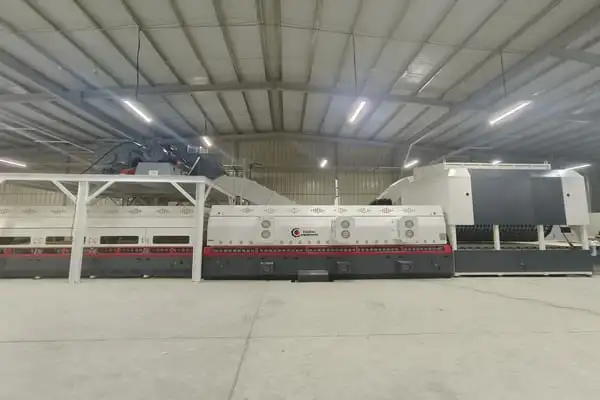
The Convection Flexible Roller Flat & Bend Glass Tempering System is a dual-mode thermal processing solution that tempers both flat and curved glass within a single production line. By circulating high-velocity heated air through a forced convection mechanism paired with an adjustable high-strength flexible roller assembly, the system delivers temperature uniformity within ±2°C across the glass surface. This design eliminates the need for separate flat and bend furnaces, reducing capital expenditure while supporting glass thicknesses from 4mm to 19mm — a range that covers decorative panels, structural glazing, curtain wall units, and automotive components alike.
Understanding the Convection Flexible Roller Glass Tempering System
How Convection Heating Works in Glass Tempering
Infrared emissions are the main way that traditional radiant stoves move heat. A Convection Flexible Roller Flat & Bend Glass Tempering System goes one step further by using a high-pressure fan to move hot air around inside the heating box. This moving air breaks the insulating boundary layer that forms on the glass surface, speeding up heat absorption and making the temperature profile more even across the whole pane. This is a clear benefit when working with Low-E coated glass, where emissivity values can drop as low as 0.01.
The Role of Flexible Rollers in Dual-Mode Processing
The flexible roller assembly is the system's main motor part. Servo-motor-controlled rollers transition from a flat plane to a calculated arc without manual mold changes, typically completing the configuration switch through the HMI interface in under five minutes. Heat-resistant roller sleeves prevent surface scratches and roller marks, which are among the most common quality complaints in curved glass production. This capability makes the system practical for manufacturers who switch between flat architectural panels and bent automotive or façade glass within the same shift.
Energy Efficiency and Thermal Management
Easttec integrates proprietary high-density ceramic fiber insulation into the furnace chamber walls, reducing thermal energy loss by approximately 20% compared to standard insulation designs. Inverter-controlled convection fans adjust airflow speed according to glass thickness and coating type, preventing energy waste during lighter loads. According to Easttec's internal production data, customers who switched from radiant-only furnaces to this convection design reported electricity savings of around one-third of previous consumption — a figure that meaningfully shortens the equipment payback period.
Benefits and Applications of Convection Flexible Roller Tempering
Production Speed and Quality Gains
When compared to radiant-only models, convection-assisted heating models cut the heating cycle by about 30%. For a production manager who runs two or three shifts every day, this means more work gets done every day without having to hire more people or make more room on the floor. As required by ASTM C1048 and EN 12150-1, the Convection Flexible Roller Flat & Bend Glass Tempering System keeps surface stress levels higher than 90 MPa for fully tempered glass. Arc deviation stays within ±1mm per meter, which satisfies the geometric tolerances required for precision automotive backlites and curtain wall corner units.
Key Industry Applications
This tempering system covers a wide range of end markets. Here are the primary application areas where manufacturers have reported clear operational gains:
- Architectural façade glass: On the same line, large-span curved curtain wall panels and flat safety glass for commercial buildings are made. This cuts down on machine downtime and changeover costs.
- Automotive glass: Exact curvature control and visual distortion levels that meet OEM inspection standards are good for side windows, rear windshields, and custom vehicle glazing.
- Home appliance glass: Oven door panels and refrigerator display glass need precise control of thermal gradients. The convection system's zone-by-zone temperature management keeps these smaller, more valuable parts from micro-cracking.
- Furniture and interior glass: Shower screens, tabletops, and decorative curved panels can be made with the same high-quality surface in batches of different sizes.
These applications share one common requirement: reliable, repeatable quality across different glass specifications. The flexible roller and convection combination addresses that need without forcing manufacturers to invest in multiple dedicated machines.
Return on Investment in Practice
A medium-sized architectural glass maker that works with 4mm to 12mm flat and bent glass can expect to get their money back in 18 to 36 months, based on the power rates and shift patterns in their area. Over the course of high-volume production plans, the 30% faster cycle time and 20% lower energy loss add up to savings that cover the cost of capital before most financial terms expire.
Comparing Convection Flexible Roller Systems with Other Tempering Technologies
Against Standard Flat Radiant Furnaces
A normal flat radiant heater only works with flat glass and gets its heat from infrared emissions. Because it can't bend glass, factories that make glass for both architecture and cars have to keep two separate production lines running. Because infrared heat doesn't work as well on covered surfaces, more energy is used per unit of glass. The Convection Flexible Roller Flat & Bend Glass Tempering System combines both tasks into one, which reduces the overall size of the equipment and gets rid of the need for hiring and upkeep that comes with having two separate lines.
Against Standalone Bend Tempering Machines
Dedicated bend ovens have shapes that stay in place and work best for making a lot of the same curve. To change the bending radius, the mold has to be replaced, which can take anywhere from 30 minutes to several hours. The flexible roller system can change shapes digitally in less than five minutes, making it the practical choice for processors handling custom orders or short production runs across multiple curvature specifications.
Cost and Lifecycle Comparison
A basic flat radiant furnace costs less than a convection flexible roller system when it is first bought. But over the course of five years, the savings from using less energy, having fewer broken items, and getting rid of unnecessary tools usually lead to a lower total cost of ownership. CE certification also gets rid of compliance problems for processors that want to bid on international contracts in the US, Europe, and the Middle East.
Procurement Guide for Convection Flexible Roller Glass Tempering Systems
Certifications and Supplier Credentials
Buyers should make sure that the equipment has CE approval and that the seller can show proof that it meets EN 12150-1 and ASTM C1048 standards. Since 1994, Easttec has been making heat processing tools for glass. They use Italian convection technology standards and keep their quality management system in line with European production standards. In this type of equipment, it is common to ask to visit the shop and see live examples of the equipment before making a final purchase.
Lead Times and Customization Options
Convection Flexible Roller Flat & Bend Glass Tempering Systems are made to order. Delivery times at Easttec vary from 60 to 120 working days, based on the type and size of goods being sent. Power system adaptation for global voltage and frequency standards (220V, 380V, 415V, 50/60Hz), multi-language HMI menus in English, Spanish, Russian, Korean, Portuguese, and others, and heating and cooling curves and parameters that are specific to the equipment are all things that can be customized.
After-Sales Support and Installation
As part of their standard service package, Easttec does installation, commissioning, and operator training on-site. New workers usually learn how to do everything they need to know within a week. The technical support team is available online 24 hours a day, 7 days a week, and extra parts are kept on hand to avoid unexpected downtime as much as possible.
Maintenance, Troubleshooting, and Longevity
Routine Inspection Protocols
Checking the condition of the roller sleeves, the fan bearings, and the IPC/PLC parameter logs once a week keeps small wear problems from turning into production stops. The bending radius stays accurate over long production shifts as long as the servo-motor encoder settings are calibrated once a month against changes in temperature expansion.
Common Issues and Practical Solutions
Most of the time, temperature changes in the heating chamber are caused by convection nozzles that are blocked or fan bearings that are worn out. Roller imbalance is usually caused by thermal expansion during long periods of high-temperature operation. The real-time feedback loop built into the control system fixes the problem. When the power goes out, the hydraulic emergency drive and UPS backup for the PLC make sure that the glass can be ejected safely, saving both the product and the roller surfaces.
Sustaining Long-Term Performance
Easttec's software is updated on a regular basis to fix bugs and make it compatible with new types of glass film as they come out on the market. Keeping the HMI software up to date and having professional inspections once a year can make the equipment last a lot longer than the standard warranty period.
Conclusion
The Convection Flexible Roller Flat & Bend Glass Tempering System makes it possible for glass manufacturers to make a wide range of products on a single line. Improvements can be seen in cycle speed, surface quality, and energy use thanks to its convection heating design. The flexible roller system gets rid of the need for physical labor and the time it takes to change the shape of a mold. This type of equipment is a good long-term investment for factories that work with architectural, automotive, appliance, or furniture glass, or for deep-processing contractors who handle a wide range of client orders.
FAQ
How does convection heating improve tempering quality for Low-E glass?
High-speed forced convection moves hot air across the glass surface, breaking through the thermal resistance made by Low-E coatings that have emissivity values as low as 0.01. This makes heat absorption more even than radiant-only systems, which lowers the risk of covering rust, optical distortion, and uneven surface stress.
Can this system process both flat and bent glass without separate machines?
Yes. Through the HMI interface, the Convection Flexible Roller Flat & Bend Glass Tempering System can transition between flat and bend configurations through the HMI interface, typically in under five minutes. This eliminates the need for dedicated flat and bend furnaces on separate production lines.
What glass thicknesses does the system support?
The method can safely work with glass thicknesses ranging from 4 mm to 19 mm. This includes decorative thin glass, normal architectural panels, and heavy-duty structural glazing.
What is a realistic ROI timeline for this equipment?
It can take anywhere from 18 to 36 months for medium-sized to large processing factories to get their money back, depending on how much electricity costs, how much they shift, and what kinds of products they make. The 30% faster heating cycle and 20% less energy loss are the main things that make cost recovery happen faster.
Is the system certified for international market use?
The safety rules for projects in the US, Europe, and the Middle East are met by the equipment, which is fully CE compliant. It also meets the standards for tempering set by EN 12150-1 and ASTM C1048.
Get a Custom Quote from EASTTEC EQUIPMENT Today
EASTTEC EQUIPMENT has specialized in glass thermal processing technology since 1994, bringing European convection standards to manufacturers worldwide. Our Convection Flexible Roller Flat & Bend Glass Tempering System is available as a fully configured, CE-certified solution — customized to your voltage, language, and production requirements. Contact our team directly at sales@easttecmachine.com to request a detailed quotation from a trusted Convection Flexible Roller Flat & Bend Glass Tempering System manufacturer and take the next step toward efficient, flexible glass processing.
References
1. Glass Technology: European Journal of Glass Science and Technology, 2021.
2. ASTM C1048-18: Standard Specification for Heat-Strengthened and Fully Tempered Flat Glass, ASTM International, 2018.
3. EN 12150-1: Glass in Building — Thermally Toughened Soda Lime Silicate Safety Glass, European Committee for Standardization, 2015.
4. Journal of Non-Crystalline Solids: Thermal Processing of Architectural Glass, Elsevier, 2020.
5. Glass Processing Days Conference Proceedings: Advances in Convection Tempering Technology, Tampere, Finland, 2019.
6. Construction and Building Materials: Performance of Tempered Low-E Glass in Curtain Wall Applications, Elsevier, 2022.

USER EVALUATE
Here is the customer's evaluation of us