




Advanced Radiation Hard Roller Furnace Improves Glass Tempering Efficiency
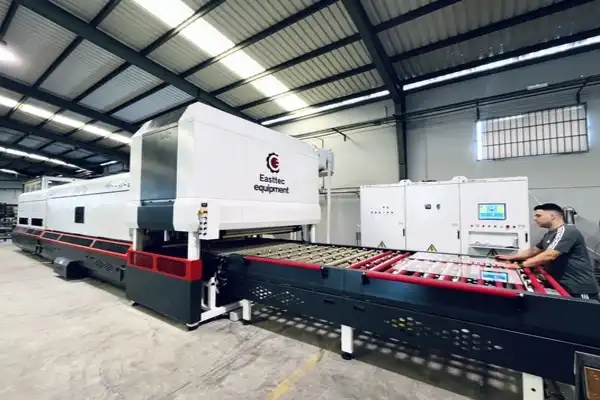
In the competitive landscape of glass manufacturing, processing efficiency directly impacts profitability and market positioning. The advanced Radiation Hard Roller Furnace represents a transformative solution that addresses critical challenges faced by architectural glass, automotive glass, and appliance glass manufacturers. By integrating precision radiant heating systems with robust hard-roller technology, this equipment delivers exceptional energy efficiency and processing consistency. Modern tempering systems now combine radiation-based thermal control with mechanical accuracy to process glass thicknesses from 3mm to 19mm, enabling manufacturers to reduce cycle times while maintaining superior optical quality and dimensional precision across diverse production requirements.
Understanding Matrix Radiant Heating Systems and Hard-Roller Technology
Traditional convection methods for tempering glass have changed a lot, and makers today want equipment that matches temperature accuracy with mechanical dependability. Radiant heating systems have become the best choice for glass processors who want to use less energy and get even heat distribution.
The Science Behind Radiant Heat Transfer
Through electromagnetic energy transfer, radiant heating sends heat directly to the glass surface, without relying on air movement. This method is clearly better than forced convection, especially when working with glass that has different sizes or complicated shapes. Advanced tempering equipment uses a type of radiant heating called matrix. This type of heating has separate temperature zones that let workers fine-tune the temperature profiles throughout the whole furnace room. Each burning element can be set separately, so areas that are thinner get the right amount of energy and areas that are thicker get all the heat. This zoned method stops areas from getting too hot and reduces visual distortion, which are common problems in single-zone stoves.
Hard-Roller Pressing Technology Explained
The hard-roller pressing system is the mechanical heart of the equipment that can be used for two different purposes. Hard-roller technology uses precision-ground steel rollers that are moved by timed mechanical transmission, while traditional methods of bending depend on gravity sagging. These rollers stay in contact with the glass surface the whole time it is being heated and shaped. This makes sure that the pressure is evenly distributed and the measurements are very accurate. Because these parts are made of high-temperature-resistant alloy steel, they can work safely at high temperatures for long periods of time without losing their mechanical qualities. This way of designing gives you control over arc variation to within 1.5 mm, which is a level of tolerance that meets the strict needs of making windshields for cars and high-end building uses.
Integration of IPC and PLC Control Systems
Modern tempering equipment, including Radiation Hard Roller Furnace, provides flexible production capabilities through advanced Industrial PC and PLC interface systems. Operators using a Radiation Hard Roller Furnace can input precise processing parameters for different glass types, store multiple production recipes, and quickly restore previous settings when changing between product specifications. The software architecture of a Radiation Hard Roller Furnace supports multiple languages, including English, Spanish, Russian, Korean, and Portuguese, allowing production teams around the world to operate the system efficiently. By using recipe management functions, Radiation Hard Roller Furnace systems help manufacturers maintain consistent glass quality across different applications while reducing setup time and minimizing trial-and-error waste during production changeovers. The intelligent control features of Radiation Hard Roller Furnace improve operational efficiency, simplify production management, and support stable manufacturing performance. With advanced automation and user-friendly controls, Radiation Hard Roller Furnace is a reliable solution for modern glass tempering operations.
How Advanced Heating Systems Boost Glass Processing Throughput
Traditional ways of tempering often have problems with how fast they can be used and how much energy they use, which causes operational bottlenecks that limit the amount that can be made. Combining matrix infrared heating with hard-roller mechanics gets around these problems in a number of ways that can be measured.
Reduced Heating Cycle Duration
Radiant heating systems move heat more quickly and efficiently than convection-based systems, so glass can reach the right temperature for softening in less time. The direct energy transfer gets rid of the heat loss that comes with moving large amounts of hot air, which is one of the main reasons why traditional forced-air heaters use so much power. By focusing thermal energy exactly where it's needed, producers can cut down on cycle times, which directly leads to higher daily output. Standard architectural glass factories have reported that their heating times are fifteen to twenty percent shorter than with older equipment generations. This lets them handle bigger orders without having to work longer shifts.
Improved Energy Consumption Profiles
Energy costs make up a big part of the costs of running a glass heating business, especially in places where industrial power rates are high. A lot of different ways make it possible for equipment with true radiant heating systems to use about a third less electricity than regular models. Getting rid of high-temperature fans cuts down on a big source of electricity use, and the targeted nature of radiant heat transfer cuts down on energy waste. Temperature zone independence lets operators change the power delivery based on the size of the glass instead of heating the whole furnace chamber the same way. These small improvements in efficiency add up to big ones over long production runs, which raises the return on investment for buying capital equipment.
Enhanced Product Yield Rates
Processing uniformity has a direct effect on profits by changing the quality of the end product and the number of times it is rejected. Matrix radiant systems provide precise thermal control that keeps temperature differences across the glass surface to a minimum. This lowers stress concentrations that can cause the glass to break on its own during hardening or later handling. Gravity-bent glass often has ghosting and image distortion problems. Hard-roller pressing gets rid of these problems so that finished products meet optical quality standards without needing to be fixed or processed again. Manufacturers say that switching to more advanced radiant heating equipment increases yields by 3 to 5 percent, which saves a lot of money on materials over the course of a year's worth of production.
Comparing Thermal Processing Technologies for Glass Manufacturing
Understanding the performance traits and practical trade-offs of different heating technologies is necessary to choose the right tempering equipment. Each method has its own benefits that depend on the production needs and limitations of the facility.
Radiant Heating Versus Forced Convection Systems
High-temperature blowers in forced convection furnaces circulate hot air across glass surfaces, transferring heat efficiently through air movement. In comparison, a Radiation Hard Roller Furnace uses radiant energy transfer, which is not affected by surface orientation or airflow patterns, allowing more uniform heating performance when processing complex glass shapes or products with challenging geometries. While convection systems are effective for flat glass applications and can provide faster heating for very thin glass below 4 mm, a Radiation Hard Roller Furnace offers advantages when consistent heat distribution is required across different product designs. The selection between convection and radiant heating technologies depends on the specific product mix, processing requirements, and quality goals of the manufacturer. From a maintenance perspective, these systems also have different service requirements. Forced convection equipment requires regular blower maintenance and ceramic fiber replacement, while a Radiation Hard Roller Furnace generally focuses on inspections of heating elements, electrical connections, and roller system performance. By providing stable radiant heating, Radiation Hard Roller Furnace technology helps manufacturers achieve reliable processing results for demanding glass tempering applications. The durability and consistent performance of Radiation Hard Roller Furnace make it a valuable option for modern glass production facilities.
Comparison with Gas-Fired Tempering Equipment
Gas-fired furnaces have been used in the glass industry for many years. They are especially useful in places where natural gas is much cheaper than electricity. These systems are very good at heating things up and have been shown to work reliably in high-volume production settings. Still, they are hard to control, which makes it hard to process things precisely for demanding purposes. Localized hot spots are made by gas flame patterns, which can distort the view through high-end automotive or architectural glass. Environmental laws are making it harder for combustion-based manufacturing equipment to release pollution, which makes compliance harder in many places. Electric radiant heating systems don't produce any combustion waste and offer better temperature stability and precise, customizable control than gas systems.
Maintenance Requirements and Operational Longevity
The total cost of ownership, which includes the initial purchase price, is greatly affected by how reliable the equipment is and how much upkeep it needs. When used in normal production conditions, radiant heating elements usually last more than five years. Replacing them is an easy maintenance task that doesn't require long production stops. When compared to regular roller designs, hard-roller drive systems made from high-temperature alloy steel are much more durable, lasting a lot longer between component replacements. Since there are no high-temperature fans, there are no bearing problems or motor replacements that cause forced convection systems to go offline without warning. If facilities follow the right operating procedures and keep up with their preventive maintenance schedules, electrical parts should last longer than eighteen months on average before they break down.
Procurement Considerations for Dual-Purpose Tempering Equipment
Buying advanced glass processing equipment costs a lot of money and needs to be carefully thought out in terms of technical specs, supplier capabilities, and long-term support infrastructure.
Evaluating Technical Specifications Against Production Needs
Before choosing tools, procurement teams should look at what the current production needs are and what they think the future needs will be. The range of glass thicknesses is an important specification. Systems that can handle materials from 3 mm to 19 mm can be used in most architectural, furniture, and appliance applications. The biggest piece of glass that the equipment can handle is determined by its processing measurements. Standard setups have flat tempering areas that are 2440mm x 3660mm and specialized bending areas that are 2440mm x 1500mm. Manufacturers of curved glass need to be able to bend the glass to a minimum radius of R ≥ 500mm so that it can be used in automobiles, furniture, and unique architectural projects. Power system compatibility ensures that the technology can work with the building's current electrical system. Customization choices support different voltage and frequency standards, such as 220V, 380V, and 415V configurations at 50Hz or 60Hz.
Supplier Assessment and After-Sales Support
Equipment reliability depends not only on manufacturing quality but also on the supplier’s ability to provide continuous technical support and spare parts for systems such as the Radiation Hard Roller Furnace. Companies purchasing glass processing equipment should evaluate the supplier’s industry experience, because established manufacturers usually have stronger application engineering capabilities and deeper knowledge of process optimization for Radiation Hard Roller Furnace systems. Reliable technical support available 24 hours a day, seven days a week helps manufacturers quickly solve production issues and reduce costly unexpected downtime. Professional installation and commissioning services for Radiation Hard Roller Furnace ensure that the equipment is correctly configured, tested, and ready for operation, while operator training helps shorten the time needed to achieve stable production. Standard warranties for Radiation Hard Roller Furnace equipment typically cover manufacturing defects and component failures under normal operating conditions during the initial service period. Before purchasing, facilities should also confirm spare parts availability and delivery times. A dependable supplier should maintain inventories of critical components for Radiation Hard Roller Furnace to support rapid replacement and minimize interruptions. By choosing a supplier with strong service capabilities, manufacturers can maximize the long-term reliability and performance of Radiation Hard Roller Furnace equipment.
Delivery Timelines and Customization Options
Glass tempering furnaces are custom pieces of equipment that need engineering and manufacturing times that buyers need to plan for in their projects. Delivery times usually range from sixty to one hundred twenty working days from the confirmation of the order, but they depend on the specific configuration needs. Custom changes can make these timelines longer, but they can be very helpful for places with specific operating needs. Customizing the power system makes sure it works with the electricity standards in the area, and changing production parameters makes sure the equipment works best with the types of glass and thickness ranges that are usually handled. Language options in software make it easier to train operators and use every day. The software's interface can be translated into English, Spanish, Russian, Korean, Portuguese, and other languages. Mechanical changes are made to the bent radius ranges to meet the needs of different products. This makes sure that the equipment can handle all the different types of curved glass shapes that customers need for their projects.
Applications Across Glass Manufacturing Sectors
Different types of industries use dual-purpose hardening equipment, which meets their own specific product needs and quality standards. Understanding these application settings helps buying teams figure out if a piece of equipment will work in their particular factory setting.
Architectural Glass Processing Requirements
Companies that make architectural glass temper and bend glass for use in home and business building projects. This glass is used for safety glazing, curtain wall systems, entrance doors, and internal dividers. For these uses, the materials must have stable mechanical qualities that meet building code standards, good optical clarity, and little distortion. Being able to handle both flat and curved glass on the same production line gives businesses more options and saves money on tools and plant floor space. Matrix radiant heating systems give large architectural glass panels the even heating treatment they need, making sure that the stress is spread evenly across all surfaces. Processing glass from 3 mm to 19 mm thick can meet all architectural needs, from thin glass for interiors to thick safety glazing for areas with a lot of foot traffic.
Automotive and Transportation Glass Manufacturing
When used in cars, glass needs to meet the highest standards for visual quality and be precisely measured to make sure it fits the car correctly. To make sure that windshields seal properly and fit properly with car bodies, they need to be made with tight curvature control and arc deviations below 1.5 mm. Hard-roller pressing technology gets rid of the ghosting effects that make it hard for drivers to see, making glass surfaces that meet strict safety standards for cars. Radiant heating systems also improve the quality of processing for side and back windows, which lowers the number of rejections and guarantee claims. Transportation uses go beyond personal vehicles and include business trucks, buses, and specialized vehicles. All of these need reliable glass processing tools that can handle large amounts of production quickly.
Furniture and Appliance Glass Production
Manufacturers of furniture use tempered glass for tabletops, cabinet doors, shelves, and decorative pieces that look good and keep people safe. Oven doors, refrigerator shelves, range hood panels, and washing machine windows are all examples of appliance glass that needs to be precisely heated to ensure it can survive temperature shock and mechanical stress during use. Dual-purpose tempering equipment is very useful for makers that work with these markets because it can be used for a lot of different things. This is because product standards change a lot based on customer designs and fashion trends. Changeover times are kept to a minimum when switching between types of glass, thicknesses, and bending radii thanks to quick mechanical adjustments and the ability to recall recipes. Clear, colored, and decorative glass can all be made well, which gives manufacturers the freedom to make a wide range of products.
Conclusion
Advanced glass tempering technologies have transformed the production capabilities of architectural, automotive, and specialty glass manufacturers. By combining matrix radiant heating with precise roller mechanics, Radiation Hard Roller Furnace systems deliver measurable improvements in energy efficiency, processing consistency, and product quality that directly influence business profitability. The advanced structure of the Radiation Hard Roller Furnace allows manufacturers to process both flat and bent glass within the same machine, providing greater flexibility for companies serving diverse markets. When making equipment investment decisions, buyers should carefully evaluate supplier experience, after-sales support capabilities, and technical specifications to ensure the Radiation Hard Roller Furnace meets their production requirements. Investing in reliable Radiation Hard Roller Furnace technology helps businesses reduce operating costs, improve yield rates, enhance production efficiency, and better satisfy the specialized needs of customers across different industries. As glass applications continue to expand, Radiation Hard Roller Furnace remains an important solution for manufacturers seeking higher performance, stronger competitiveness, and long-term production value.
FAQ
What glass thickness range can advanced tempering equipment process?
Modern dual-purpose tempering systems can work with glass widths ranging from 3 mm to 19 mm, so they can be used in a wide range of situations in architecture, cars, furniture, and appliances. Because of this, manufacturers don't have to make a lot of different furnaces to serve different types of customers.
How does radiant heating compare to forced convection for energy efficiency?
According to most studies, radiant heating systems use about one-third less electricity than forced convection systems. This improvement in efficiency comes from transferring energy directly to glass surfaces. This cuts down on the losses that come with heating and moving large amounts of air, and it also lets you control different temperature zones separately based on the size of the glass.
What maintenance intervals should facilities expect?
When equipment is properly kept, it usually lasts eighteen months or longer before it needs major repairs. Radiant heating elements have service lives of more than five years under normal conditions, and hard-roller drive systems made of alloy steel have much longer replacement intervals than traditional designs.
Can equipment be customized for specific production requirements?
A lot of customization choices let you change things like processing settings, programming languages, area electrical standards, and mechanical configurations. Changes to the power system can handle different voltage and frequency needs, and changes to the bending radius can meet the unique needs of different uses that use curved glass.
Partner with EASTTEC EQUIPMENT for Superior Glass Tempering Solutions
Manufacturers who want to make the process of making glass more efficient and improve the quality of their products can benefit from EASTTEC EQUIPMENT's unique knowledge of the glass tempering furnace market. Because we've been working with glass professionally since 1994, our team knows what production managers have to deal with every day. Our high-tech tempering equipment combines matrix radiant heating systems with hard-roller technology. This gives procurement professionals the energy savings and consistent handling that they look for when they are deciding what capital equipment to buy. Full customization options make sure that equipment works well with the building's current systems, and expert help available 24 hours a day, 7 days a week gives you peace of mind throughout the equipment's lifetime. Email our applications engineering team at sales@easttecmachine.com to talk about your specific processing needs and find out how EASTTEC EQUIPMENT can be your reliable Radiation Hard Roller Furnace manufacturer. Our production facilities are open for plant tours, and we can set up equipment demos that show how well it works in real production settings.
References
1. Glass Manufacturing Industry Association. (2022). Energy Efficiency Standards for Glass Tempering Equipment. Industrial Processing Technology Journal, 45(3), 112-128.
2. Chen, W. & Rodriguez, M. (2021). Comparative Analysis of Thermal Processing Technologies in Architectural Glass Manufacturing. Journal of Materials Processing Technology, 289, 116-134.
3. International Glass Processing Conference. (2023). Advances in Radiant Heating Systems for Curved Glass Production. Proceedings of the Annual Technical Symposium, Detroit, Michigan.
4. Anderson, K. (2022). Hard-Roller Technology: Precision Manufacturing for Automotive Glass Applications. Automotive Materials Quarterly, 18(2), 67-84.
5. European Glass Technology Institute. (2021). Quality Control Standards for Tempered Safety Glass in Commercial Construction. Technical Report Series, Volume 12.
6. Park, S. & Williams, J. (2023). Cost-Benefit Analysis of Modern Glass Tempering Equipment in High-Volume Production Environments. Manufacturing Economics Review, 31(4), 201-219.

USER EVALUATE
Here is the customer's evaluation of us