




Radiation Precision Flexible Roller Flat & Bent Glass Tempering Line Improves Manufacturing Accuracy for Glass Plants
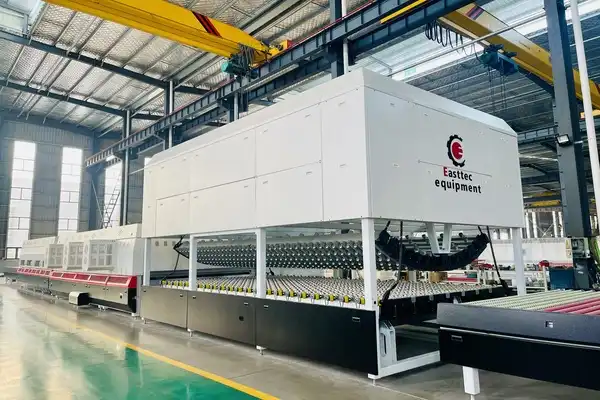
The Radiation Precision Flexible Roller Flat & Bent Glass Tempering Line from EASTTEC EQUIPMENT addresses one of the most persistent challenges in modern glass manufacturing: achieving consistent tempering accuracy across both flat and curved glass formats without sacrificing throughput or energy efficiency. By combining matrix radiant heating with an adjustable flexible roller system, this line processes glass from 5mm to 19mm thickness, supports bending radii from 400mm to 3,000mm, and reduces thermal energy loss by 20% compared to conventional furnaces — making it a practical investment for architectural, automotive, and appliance glass producers in the U.S. market.
Understanding Radiation Precision Flexible Roller Glass Tempering Technology
Before you decide to buy any big pieces of equipment, it's helpful to know what makes this technology different from the methods most plants already use.
How Radiation Heating Works
Radiation heating uses high-intensity light elements to send heat straight to the glass surface, while convection heating moves hot air around the glass. With EASTTEC's multi-zone matrix radiant heating, the temperature is accurate to within ±1°C across the entire width of the furnace. This stops any areas from getting too hot, which could lead to optical distortion or surface marks.
The Role of Flexible Rollers
The flexible roller bed has rollers made of aramid or a special alloy that can handle high temperatures and can change their shape automatically while the product is being made. Because the system is so flexible mechanically, it can bend around radii as large as 400 mm, making shapes that rigid roller beds physically can't make without separate molds or tools.
Dual-Format Processing in One Line
The ability of the Radiation Precision Flexible Roller Flat & Bent Glass Tempering Line to switch between flat and bent glass production through the PLC control interface is one of the most important features for modern glass processing operations. The system usually requires no more than 15 minutes to switch between the two formats, helping reduce downtime and keep production schedules on track. For manufacturers handling different glass specifications, the Radiation Precision Flexible Roller Flat & Bent Glass Tempering Line provides greater production flexibility without requiring separate equipment for flat and bent glass. This quick format change also allows the Radiation Precision Flexible Roller Flat & Bent Glass Tempering Line to support more efficient production planning when order requirements change. By reducing setup time between production formats, the Radiation Precision Flexible Roller Flat & Bent Glass Tempering Line can help processors improve equipment utilization and maintain a more consistent manufacturing workflow.
Comparison Between Radiation Precision Flexible Roller Lines and Traditional Tempering Lines
When glass plant managers look at this type of equipment, they often want to know how it compares to the convection-based methods they already use. It's possible to measure the differences.
Temperature Uniformity
In traditional convection furnaces, glass is heated indirectly by moving air around. This creates temperature differences between big or bent sheets of glass. The radiation method achieves better uniformity, and the matrix heating array keeps the difference in temperature within ±1°C. With this, the fragmentation variation that affects yield rates under ASTM C1048 and EN 12150 norms is directly cut down.
Energy Efficiency Gap
A lot of the heat that is produced by traditional tempering furnaces is lost through the walls and holes of the furnace. That hole is filled by EASTTEC's high-density composite insulation, which cuts heat loss by 20% compared to older models. Over the course of a full production year, that percentage means big savings on power costs, which is important because glass tempering uses a lot of a plant's overall energy budget.
Flexible vs. Rigid Roller Systems
Manufacturers can only use set curvature profiles with rigid roller systems, so they have to retool physically to meet new bent glass standards. That limitation is taken away by the adjustable roller design. Architectural and automotive glass processors especially benefit from being able to handle custom curves for decorative facades, sunroofs, and specialty vehicle glazing without having to buy separate bending molds.
When a business serves more than one end market at the same time, these differences become very important. For example, a factory that makes both curtain wall panels and car side windows can run both types of products on the same line instead of keeping different sets of tools.
Benefits of Using Radiation Precision Flexible Roller Flat & Bent Glass Tempering Lines for Glass Plants
Here are the main ways this method improves speed in live production settings:
- Two-in-One Production Capability: The line processes both flat architectural panels and high-curvature bent glass within the same equipment footprint. Factories no longer need to dedicate separate lines to each format, which reduces capital expenditure and floor space requirements while keeping output flexible.
- Precision Matrix Thermal Control: EASTTEC's signature multi-zone matrix radiant heating prevents optical distortion and "ghosting" — a surface quality defect common in uneven heating environments. Glass surfaces exit the furnace meeting elite optical standards, which is particularly important for curtain wall glass and premium appliance panels where visual clarity is non-negotiable.
- 20% Thermal Energy Savings: The furnace's high-density composite insulation maintains a stable internal thermal environment while reducing energy loss by 20% versus traditional models. For a medium-to-large glass plant running three shifts, this improvement generates meaningful cost reductions at the operational level.
- Robust IPC & PLC Control: The Industrial PC and PLC interface provides 24/7 operational stability. Operators can store and recall hundreds of production recipes, making product changeovers fast and repeatable without relying on experienced technicians for each setup.
With EASTTEC's unique multi-zone matrix radiant heating, optical distortion and "ghosting" are stopped. This is a typical surface quality problem that happens when heating isn't even. When the glass surfaces come out of the furnace, they meet the highest optical standards. This is especially important for curtain wall glass and high-end appliance panels that must be clear to see.
Key Considerations When Procuring Radiation Flexible Roller Glass Tempering Lines
Evaluating Supplier Credentials
When looking for a Radiation Precision Flexible Roller Flat & Bent Glass Tempering Line, the experience of the supplier is an important consideration. Since 1994, EASTTEC has been manufacturing thermal processing equipment for glass, with a team that brings more than 30 years of experience in glass processing. The Radiation Precision Flexible Roller Flat & Bent Glass Tempering Line is also available with CE approval, helping demonstrate conformity with applicable European safety and quality requirements. For contract manufacturers and distributors, choosing a Radiation Precision Flexible Roller Flat & Bent Glass Tempering Line from an experienced supplier can simplify equipment evaluation and support planning for export and resale markets. The combination of technical experience, production capabilities, and certification support makes the Radiation Precision Flexible Roller Flat & Bent Glass Tempering Line suitable for manufacturers seeking flexible glass tempering equipment.
Technical Specifications to Verify
Before making a buy, procurement managers should make sure that the model can handle glass thicknesses ranging from 5mm to 19mm, that the bent radius range is correct, that there are enough heating zones, and that the control system architecture is correct. The IPC-based interface here has menus in English, Spanish, and other languages, which cuts down on the time needed to train operators. EASTTEC says that it only takes one week for new operators to become fully operationally competent.
Lead Time and ROI Planning
Customized tools are used to make glass tempering furnaces. Depending on the design, EASTTEC furnaces can be delivered anywhere from 60 to 120 working days after the order is placed. Plan your project around this timeline. When it comes to return on investment (ROI), the payback period is usually shorter than with traditional systems because of the 20% energy savings, lower scrap rates from precision heating, and faster changeovers.
Maintenance Tips and Best Practices for Radiation Precision Roller Tempering Lines
Routine Inspection Schedule
For very precise tasks, it is suggested that the settings of the bendable rollers be checked automatically once a week. Every six months, a full mechanical audit of the roller system helps find wear before it affects the quality of the glass. Inspections of heater elements should be done at the manufacturer's suggested time interval based on output volume.
Common Issues and Remedies
Uneven heating in a Radiation Precision Flexible Roller Flat & Bent Glass Tempering Line is usually caused by a single broken radiant element rather than a problem with the entire heating system. These faults can be quickly identified through the zone-based grid layout, allowing maintenance teams to locate the affected heating area and respond efficiently. During production, peak-to-valley distortions above 0.05 mm, which can indicate roller-wave defects, should be addressed promptly to reduce the risk of quality failures. Regular inspection of the Radiation Precision Flexible Roller Flat & Bent Glass Tempering Line can help manufacturers identify damaged radiant elements and roller-related issues before they affect larger production batches. For processors seeking consistent flat and bent glass quality, maintaining the heating zones and rollers of the Radiation Precision Flexible Roller Flat & Bent Glass Tempering Line is an important part of routine equipment management.
Software and Process Optimization
Updating the IPC software makes sure that managing production recipes works right and that any changes made by EASTTEC's tech team to process parameters can be used. Technicians at EASTTEC offer online support 24 hours a day, 7 days a week. This means that software updates and remote troubleshooting help can be accessed without having to wait for a technician to come to your location.
Conclusion
The Radiation Precision Flexible Roller Flat & Bent Glass Tempering Line from EASTTEC EQUIPMENT gives glass manufacturers a technically sound solution for improving accuracy across flat and bent glass production. Its matrix radiant heating system, flexible roller architecture, and IPC-based control platform address the quality, energy efficiency, and production flexibility demands of modern glass processing. For plants serving architectural, automotive, or appliance glass markets in the U.S., the Radiation Precision Flexible Roller Flat & Bent Glass Tempering Line provides a versatile platform for handling different glass processing requirements. The combination of precise radiant heating, flexible roller technology, and advanced controls makes the Radiation Precision Flexible Roller Flat & Bent Glass Tempering Line suitable for manufacturers seeking consistent production performance. Backed by decades of equipment manufacturing experience and CE-certified build quality, the Radiation Precision Flexible Roller Flat & Bent Glass Tempering Line can support glass processors looking to expand their flat and bent glass production capabilities.
FAQ
How does radiation heating improve tempering quality over convection methods?
Radiation heating targets the glass surface directly through high-intensity elements, achieving temperature accuracy of ±1°C across the furnace width. This eliminates the thermal gradients that convection systems produce, reducing optical distortion and improving fragmentation consistency under ASTM C1048 standards.
Can this line process flat and bent glass without separate equipment?
Yes. The adjustable flexible roller system and PLC control interface allow the line to switch between flat and bent glass production. Changeover typically takes fewer than 15 minutes, making it practical for plants that run both product formats regularly.
What glass thicknesses does this system accommodate?
The line processes glass from 5mm to 19mm, covering a broad range of architectural, automotive, and appliance glass specifications.
What is the typical lead time for procurement?
EASTTEC's tempering furnaces are customized equipment with delivery times ranging from 60 to 120 working days, depending on configuration and order specifications.
What after-sales support does EASTTEC provide?
EASTTEC technicians provide 24-hour online support, along with installation, commissioning, operator training, and ongoing troubleshooting assistance throughout the equipment's service life.
Request a Quote for the EASTTEC Radiation Precision Flexible Roller Flat & Bent Glass Tempering Line
Need a customized glass tempering solution for flat and bent glass production? EASTTEC provides flexible roller tempering lines with precise heating control, energy-efficient operation, and professional technical support.
Contact EASTTEC for equipment details and a tailored solution:
Email: sales@easttecmachine.com
References
1. Glass Technology: European Journal of Glass Science and Technology, Society of Glass Technology, 2022.
2. ASTM C1048-18: Standard Specification for Heat-Strengthened and Fully Tempered Flat Glass, ASTM International, 2018.
3. EN 12150-1: Glass in Building — Thermally Toughened Soda Lime Silicate Safety Glass, European Committee for Standardization, 2015.
4. Advances in Glass Manufacturing Technology, Glass Processing Days Conference Proceedings, Tampere, 2021.
5. Energy Efficiency in Industrial Furnaces and Heating Systems, U.S. Department of Energy, Office of Industrial Technologies, 2019.
6. Automotive Glazing Technology and Safety Standards, Society of Automotive Engineers (SAE International), 2020.

USER EVALUATE
Here is the customer's evaluation of us