




Radiation Flat & Bend Glass Tempering Furnace of Flexible Roller Delivers Stable Flat and Curved Glass Quality
The Easttec Radiation Flat & Bend Glass Tempering Furnace of Flexible Roller is an advanced thermal processing system built to strengthen both flat and curved glass through precisely controlled heating and rapid quenching. Using matrix-arranged radiation elements instead of conventional convection methods, it distributes heat evenly across the entire glass surface. The flexible roller mechanism transitions smoothly between flat and arc configurations, eliminating optical distortion and roller marks that plague rigid systems. This single production line processes glass from 5mm to 19mm, making it a practical investment for architectural, automotive, and appliance glass manufacturers.
Understanding Radiation Flexible Roller Glass Tempering Furnaces
Radiation heating uses infrared elements arranged in a matrix pattern to send heat directly to the glass surface. This method gets to the desired tempering range of 680°C to 720°C faster than convection methods and keeps the temperature level within a range of less than 2°C. The process is now steady and can be used again and again. It cuts down on mistakes and raises yield rates across all jobs.
How the Flexible Roller Mechanism Works
The flexible roller system has heat-resistant, high-strength sleeves that change shape physically from a flat plane to a calculated arc. These sleeves are usually ceramic-coated. Each roller section is driven by a servo motor that gives real-time feedback. This way, the curve stays the same even as the inside of the furnace grows from being heated. This gets rid of the need to change the molds by hand, which is what standard bend furnaces need to do.
The Role of Matrix Radiant Heating
With Easttec's multi-zone matrix radiant heating, the heating chamber is split into controllable areas that work on their own. Each zone changes its output on its own, making up for differences in glass thickness and temperature from edge to center. This stops "ghosting," a cloudy appearance on the surface caused by uneven heat absorption, and makes the clear, smooth vision that standards for building and car glass require.
Energy Consumption Characteristics
The heating chamber of the Radiation Flat & Bend Glass Tempering Furnace of Flexible Roller is surrounded by high-density composite insulation designed to reduce heat loss during operation. By helping retain thermal energy inside the furnace, the Radiation Flat & Bend Glass Tempering Furnace of Flexible Roller can reduce the amount of electrical power required to maintain the target processing temperature. According to the stated equipment specifications, the insulation design can reduce heat loss by up to 20% compared with older furnace designs, depending on operating conditions. For factory owners evaluating the total cost of ownership, the Radiation Flat & Bend Glass Tempering Furnace of Flexible Roller can therefore provide potential energy-cost savings over a normal production year. In addition to thermal efficiency, the Radiation Flat & Bend Glass Tempering Furnace of Flexible Roller integrates radiant heating with flexible roller forming to support different flat and bent glass applications. Considering both energy consumption and production requirements, the Radiation Flat & Bend Glass Tempering Furnace of Flexible Roller can be evaluated as part of a long-term equipment investment.
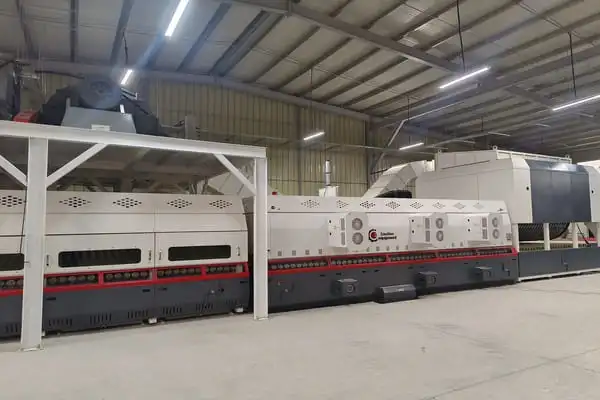
Comparing Flat and Bend Glass Tempering Furnaces
The types of products your line needs to handle will help you choose the right heater. Flat glass tempering kilns make sure that panels used in curtain walls, furniture, and gadget doors always have the same smooth surface. With bend furnaces, you can make bent shapes mechanically. This adds more factors that need to be carefully controlled, like roller pressure, arc consistency, and cooling symmetry.
Structural Differences That Affect Output Quality
A flat-only burner has rollers that stay in place in a single horizontal plane, which makes upkeep easier. A flexible roller bend furnace has servo control systems and roller segments that can be moved. That makes the machinery more complicated, but it also lets makers make both types of products from the same machine, which saves them money and floor space.
Performance Metrics: Throughput and Stability
When you put two examples next to each other, you can see that flexible roller furnaces that work with architectural glass that is 5mm to 19mm thick can make an arc that is consistent and only varies by ±1mm per meter from the plan radius. Under ISO 9050, fragmentation tests show that fully tempered bent glass from this method meets the stress levels needed, which are higher than 90 MPa.
Cost-Benefit Consideration for Mixed Production
A flexible roller furnace combines two types of production needs into one system for glass makers that make both flat panels and special curved orders, like skylights, facade corner units, or car backlites. This consolidation lowers the cost of capital, makes it easier to train operators, and cuts the time it takes to switch between machines to less than five minutes using the HMI.
Benefits and Value of Radiation Heating in Flexible Roller Furnaces
Radiation heating provides a direct approach to heat transfer and can support more consistent heat distribution across the glass surface. In a Radiation Flat & Bend Glass Tempering Furnace of Flexible Roller, radiant energy is transferred directly to the glass rather than relying primarily on moving air, which can make the heating process less sensitive to changes in the chamber load. This stable heating approach is particularly useful for bent glass, where uneven temperature distribution can lead to inconsistent bending results. The Radiation Flat & Bend Glass Tempering Furnace of Flexible Roller combines controlled radiant heating with a flexible roller system to help maintain more uniform processing conditions across different glass shapes. For manufacturers producing both flat and curved glass, the Radiation Flat & Bend Glass Tempering Furnace of Flexible Roller can provide greater flexibility while maintaining controlled heating performance. By supporting consistent heat transfer throughout the bending and tempering cycle, the Radiation Flat & Bend Glass Tempering Furnace of Flexible Roller can help reduce temperature-related forming issues that may be difficult to correct later in production.
Here are the main ways this stove improves performance:
- Exceptional Bending Versatility: The adjustable high-strength flexible roller system handles a wide range of curvatures, from gentle architectural arcs to high-curvature shapes required for skylights and modern facade corner units. Rigid conventional systems physically cannot achieve these profiles without separate mold tooling.
- Precision Matrix Thermal Control: Easttec's multi-zone matrix radiant heating distributes heat uniformly across the glass sheet, preventing optical distortion and surface haze. The outcome is a smooth, clear product that satisfies demanding quality standards for architectural and decorative glass.
- 20% Thermal Energy Savings: High-density composite insulation maintains a stable furnace temperature with significantly less electrical input compared to conventional furnaces. Over time, this reduction in energy loss produces direct savings that improve the return on your equipment investment.
- Robust IPC & PLC Control Architecture: A stable Industrial PC paired with a PLC interface drives 24/7 operational reliability. Operators store and recall hundreds of production recipes — covering different glass thicknesses, curvatures, and heating curves — making product changeovers fast and consistent without relying on fragile touchscreen hardware.
Precision Matrix Thermal Control: Easttec's multi-zone matrix radiant heating spreads heat evenly across the glass sheet, which keeps the image clear and the surface from fogging up. The end result is a clear, smooth product that meets strict quality standards for building and artistic glass.
Procurement Guide: Selecting the Right Curved Glass Tempering Equipment
It usually takes three to twelve months from the time you first think about buying a flat and bend glass tempering kiln until you actually do it. The following factors help you make that choice more clearly.
Supplier Credibility and Technical Standards
Easttec has been making thermal processing equipment for glass since 1994. The furnace is made in line with CE safety rules, and the process of tempering meets EN 12150-1 and ASTM C1048. These certifications show that the equipment meets safety and quality standards in both Europe and North America. This is important for companies that make products for the building or car industries that are regulated.
Customization and Delivery Parameters
Easttec lets you make big changes to power systems (220V, 380V, 415V at 50/60Hz), output parameters, machine sizes, and program languages like English, Spanish, Russian, Korean, and Portuguese. The time it takes to deliver a glass tempering furnace varies from 60 to 120 working days, based on the type. After a week of hands-on training, most new operators are able to use the system well.
After-Sales Support and Uptime Assurance
Easttec technicians offer online support 24 hours a day, 7 days a week for installation, commissioning, troubleshooting, and process optimization of the Radiation Flat & Bend Glass Tempering Furnace of Flexible Roller. The Radiation Flat & Bend Glass Tempering Furnace of Flexible Roller can also be equipped with a gas emergency drive system and UPS backup for the PLC, helping protect glass that remains in the production process during an unexpected power outage. With remote troubleshooting support, technicians can assist operators in identifying potential equipment or process issues without always requiring an immediate on-site visit. For manufacturers operating the Radiation Flat & Bend Glass Tempering Furnace of Flexible Roller, access to spare parts and remote technical assistance can help reduce the risk of extended production downtime. The combination of backup systems, technical support, and available replacement parts makes the Radiation Flat & Bend Glass Tempering Furnace of Flexible Roller a practical option for manufacturers seeking more reliable day-to-day production and maintenance support.
Future Directions in Flexible Roller Glass Tempering Technology
IoT-connected monitoring of furnaces and AI-assisted process control are now commonplace in glass processing plants. Real-time data from sensor arrays that track the position of rollers, zone temperatures, and quench pressure is fed into predictive maintenance algorithms. This cuts down on unplanned stops. Easttec keeps working on these areas to make sure its tools meet the needs of the market.
Demand for Thinner and More Complex Curved Glass
Thinner glass with tighter bend angles is being asked for more and more by architects and car makers. As demand grows, this technology will be able to meet those needs thanks to its flexible roller approach and servo-controlled segments that can bend as little as 450 mm, depending on the thickness.
Sustainability as a Procurement Factor
As energy costs rise and green building certifications become more important in buying decisions, the 20% reduction in heat loss from advanced insulation is no longer just a cost argument. It is now a compliance and marketing asset for glass processors who supply LEED-certified construction projects.
Long-Term Supplier Partnership Value
When buying capital tools, the best choices are made based on ties with expert support staff, not just price comparisons at first. When manufacturers work with Easttec early in the planning process, they get help with project design, process optimization, and ongoing training that lasts long after the installation date.
Conclusion
It is easy for Easttec's Radiation Flat & Bend Glass Tempering Furnace of Flexible Roller to make both flat building panels and complicated curved forms on the same production line. The furnace meets the quality, efficiency, and flexibility needs that procurement teams put most importance on. It has advanced insulation that saves 20% of energy, CE compliance, and a tried-and-true IPC-PLC control system. This equipment is a good long-term investment for companies that make things in the building, automobile, appliance, and deep-processing industries. It is backed by 30 years of experience in thermal processing glass.
FAQ
How does the flexible roller system prevent surface marks on curved glass?
The rollers use ceramic-coated, heat-resistant sleeves that distribute contact pressure evenly across the glass surface. Precise synchronization between roller rotation speed and glass travel speed prevents the friction differentials that cause surface marks or white haze during the tempering cycle.
What glass types are compatible with this furnace?
The furnace processes clear float glass, tinted glass, and patterned glass within the 5mm to 19mm thickness range. It is designed for non-coated glass varieties. Hard-coat Low-E glass can be processed with adjusted multi-zone heating curves.
How long does it take to switch from flat to bend production mode?
Automated servo-controlled roller configuration changes complete in under five minutes through the HMI interface. Operators recall stored recipes from the IPC system, eliminating manual adjustment time between production runs.
What happens to glass inside the furnace during a power outage?
The system includes a pneumatic emergency drive and UPS backup for the PLC. These systems eject all glass from the heating chamber safely, preventing roller damage and product loss during unexpected power interruptions.
Does Easttec provide installation and training support?
Yes. Easttec technicians handle installation, commissioning, and operator training on-site. New operators typically achieve full operational competency within one week. Remote 24-hour online technical support continues throughout the equipment's service life.
Get a Direct Quote from EASTTEC EQUIPMENT Today
Since 1994, EASTTEC EQUIPMENT has helped glass manufacturers all over the world, and our Radiation Flat & Bend Glass Tempering Furnace of Flexible Roller can be set up in any way you need to meet your production needs. We are a reliable provider of flexible roller tempering furnaces and offer equipment that meets CE standards, technical support 24 hours a day, and factory training. Please email our sales team at sales@easttecmachine.com if you need specifications, pricing, or a manufacturing consultation.
References
1. Glass International. (2022). Advances in Glass Tempering Technology and Energy Efficiency in Industrial Furnace Design.
2. Journal of Non-Crystalline Solids. (2021). Thermal Stress Distribution in Tempered Flat and Curved Glass Under Controlled Heating Conditions.
3. Construction Materials and Technology. (2020). Safety Glass Standards and Compliance in North American Architectural Applications: EN 12150-1 and ASTM C1048 Compared.
4. Glass Processing Days Conference Proceedings. (2019). Flexible Roller Systems in Curved Glass Production: Mechanical Control and Surface Quality Outcomes.
5. Energy and Buildings Journal. (2023). Thermal Insulation Performance in Industrial Glass Processing Equipment and Its Impact on Operating Costs.
6. Automotive Glass Technology Review. (2022). Curved Tempered Glass Manufacturing for Modern Vehicle Design: Precision Bending and Optical Distortion Control.

USER EVALUATE
Here is the customer's evaluation of us