




Glass Tempering Furnace Principles and Industry Applications
Through heat treatment, glass tempering turns everyday glass into safety-critical parts. This makes it essential in the building, car, and electronics industries. Modern dual-chamber architectural glass tempering furnace with two chambers use sequential heating zones to get output and quality standards that have never been seen before. This solves long-standing problems in high-volume production. These high-tech kilns split the pre-heating and final thermal processing into different rooms. This makes it possible for the glass to be more clear while still having the strength needed for modern structural glazing uses.
Understanding Dual-Chamber Architectural Glass Tempering Furnaces
Heating glass to between 620°C and 680°C and then quickly cooling it with pressurised air jets is the basic science behind glass tempering. This temperature shock causes equal surface compression and internal strain. When the glass breaks, it turns into safe pebbles instead of dangerous bits, making it four to five times stronger than regular tempered glass.
The Physics Behind Thermal Tempering
When heated past its transformation point, glass changes into a semi-plastic state. When something cools quickly, the outside areas harden quickly while the inside stays fluid. As the core slowly cools, it shrinks and tries to get smaller, but the shell is already hard and doesn't let it. This makes tension stress in the middle layers and compressive stress on the outside (usually 69–172 MPa for toughened glass). The end strength traits and disintegration patterns are set by the stress balance.
Dual-Chamber Architecture Explained
When demand goes up, traditional kilns with only one room can only make one batch of glass at a time, which slows down production. A double chamber tempering kiln changes this process by letting two events happen at the same time. The pre-heating room slowly raises the temperature of the glass to between 500°C and 550°C. This lets thermal energy pass through different thicknesses evenly. The glass is then moved to the high-temperature room, where precise ventilation systems finish the heating cycle and bring the temperature down to the tempering level.
There are many benefits to this split. Because the pre-heating zone works at lower temperatures, thermal efficiency goes up and energy waste goes down. Because the heating process overlaps—as one batch finishes heating, the next batch starts pre-warming—production capacity can go up by 50 to 80%. The surface quality stays better because the glass doesn't spend as much time at its hottest point, which reduces roller wave warping and surface flaws.
Advanced Control Systems and Energy Efficiency
Modern two-chamber systems use advanced thermocouples to send real-time information to programmable logic controls about the temperatures in various zones. These systems constantly change the output of the hot element to account for things like glass thickness, coating qualities, and the temperature and humidity of the room. Multi-zone forced airflow makes sure that heat is spread evenly, which is very important when working with high-performance Low-E coatings that are sensitive to heat stress.
Compared to traditional forms, they use a lot less energy per square metre. The stepwise heating method makes the most of thermal inertia, which means that the system keeps temperatures at a good level without the energy spikes that happen when single-chamber furnaces heat from room temperature over and over again. Some makers say they save 20–30% on energy, which means lower prices and a smaller impact on the environment.
Industry Applications and Benefits of Dual-Chamber Furnaces
More and more pressure is being put on companies that handle architectural glass, make facades, and make safety glass to deliver more products without lowering the quality. Glass tempering furnace technology, especially dual-chamber designs, meets these needs in a wide range of settings, from curtain walls in skyscrapers to shower screens in homes.
High-Rise Curtain Wall Production
New buildings use large glass systems that don't compromise the clarity of the view. To keep the view from getting distorted, 3000mm x 6000mm jumbo glass panels need to be heated evenly. These big sheets can be put in dual-chamber furnaces with little edge lift or center displacement. During the gentle pre-heating phase, thick glass sections (12–19 mm) can slowly absorb thermal energy. This keeps stress concentration points from forming that could cause the glass to break during installation.
Consistency is important to curtain wall builders because outdoor projects need to match the colours of thousands of glass units perfectly. When you use a dual-chamber system, you can control the temperature, which stops the iridescence changes that can happen with single-chamber processing. In single-chamber processing, long heating cycles can cause interference patterns in covered glass.
Low-E Glass and High-Performance Coatings
Double and triple silver low-e finishes are hard to temper in their own way. Because these metal layers reflect infrared light, they don't absorb heat as evenly as clear glass does. Too high of temperatures hurt the performance of coatings, causing "white haze" flaws or total failure of the coating. This is fixed by dual-chamber heaters, which use precise top-and-bottom convection heating to make up for slower absorption rates.
The separate room design makes the perfect environment for these delicate items. Before the final processing, pre-heating keeps the glass's temperature profile stable, and improved air movement in the finishing room makes sure that the covering side gets the right amount of heat. This feature has made it possible for energy-efficient glass to be used in LEED-certified buildings and net-zero construction projects.
Automotive Glass Manufacturing Precision
OEM providers that make back windows and side windows for cars need very tight standards. Breakage rates must stay below 0.5% because flaws in the manufacturing process directly affect how long it takes to put together a car. These quality standards are met by dual-chamber systems because they have better temperature stability and less heat shock during the cooling phase.
Automotive glass is usually between 3 and 6 mm thick and has a lot of different curves. Before the final processing, the pre-heating step lets these shaped parts reach temperature balance. This stops stress patterns that could weaken the structure. Automated glass handling systems work well with dual-chamber designs and help car supply chains meet their high production needs.
Small-Format Applications in Electronics and Appliances
Architectural glass gets most of the attention in the market, but home appliance makers need toughened glass for oven doors, fridge shelves and induction hob surfaces. These uses need very high surface quality and precise control over dimensions. Small dual-chamber kilns made for smaller glass sizes give these businesses the precision they need without taking up as much space as large equipment.
The shorter temperature cycle times of a dual-chamber architectural glass tempering furnace are good for companies that make touch panels and show glass. Consumer goods are made on tight plans, and the amount of time that equipment is up and running directly affects how much money the company makes. With multiple heating zones and the ability to do preventative maintenance, dual-chamber systems are reliable enough to meet the needs of these fast-paced production settings.
Quantifiable Performance Improvements
The business case for moving to dual-chamber technology can be seen in data from sites that have already been set up. A European facade maker said that after changing single-chamber equipment, daily output went from 1,200 square meters to 2,100 square meters, and energy costs went down by 24%. A North American car glass seller said that failure rates dropped from 1.2% to 0.3%, which saved hundreds of thousands of dollars a year in wasted materials.
These improvements in performance mean that construction companies can finish projects faster, sellers of building materials can offer better guarantees on their products, and companies that sell tools to demanding markets can be more competitive.
How to Choose the Right Dual-Chamber Tempering Furnace for Your Business?
To choose the right heating tools, you need to make sure that the technical specs match your production plan and growth strategy. When making a procurement choice, you're investing money that will have an effect on your operations for 15 to 20 years, so it's important to do a full evaluation.
Chamber Dimensions and Glass Size Range
The minimum room size depends on the mix of products you want to sell. Standard architectural setups can handle glass sheets up to 2440 mm x 3660 mm, while giant furnaces can handle sheets up to 3000 mm x 6000 mm. Manufacturers of cars and appliances usually need smaller equipment that is best for processing a lot of pieces at once.
When choosing a room size, think about how the products will change in the future. Buying equipment that is exactly the right size for your current needs will save you money up front, but if you don't buy enough, you'll have to pay a lot of money to make changes or replace it too soon as your business grows into new markets.
Heating Capacity and Thickness Range
The heating element's capacity needs to match the thickness of the glass it's supposed to heat. Thin glass (3-6 mm) needs to be heated quickly but with less energy overall. To keep the temperature even across the whole cross-section of thick architectural glass (12–19 mm), the heating element needs to be powered at a higher wattage for a longer time.
The accuracy of temperature control has a direct effect on the quality of the product. Premium dual-chamber systems keep zone temperatures within ±3°C, which is very important when working with polished glass or meeting strict standards for visual quality. Industrial-grade tools might be able to control temperatures to within 5 to 8°C, which is fine for most uses but not for high-performance goods.
Energy Efficiency Metrics
Over the life of an item, operating costs for a glass tempering furnace add up to a lot. Ask for specifics on how much energy is used, measured in kWh per square metre of processed glass. Compare these numbers between types that are competing with each other, taking into account differences in how they heat and insulate.
Modern furnaces have heat recovery systems that take waste heat from the cooling section and send it to pre-heating rooms or the building's heating systems. Even though these features make the tools more expensive at first, they usually pay for themselves in three to five years in high-volume businesses.
Supplier Credentials and Support Infrastructure
The skill of the maker and the ease of access to the service network have a big impact on how reliable the equipment is. Check the track records of potential suppliers by looking at examples of installs in your area. Talk to current users to find out how good the post-installation help is, how easy it is to get extra parts, and how useful the expert training is.
Warranty coverage changes a lot from one company to the next. Standard guarantees usually cover major parts for 12 to 24 months, but top providers offer longer warranties on important systems like heating elements and control electronics. Make it clear what the guarantee covers in terms of on-site service reaction times and repair labour.
Customization Capabilities
Off-the-shelf equipment setups work well for many uses, but for specialised items, they may need to be changed to fit your needs. Manufacturers like Easttec have engineering resources that can be used to come up with custom solutions for production problems. For example, they can change the size of the furnace to fit the space available, add special glass-handling equipment, or create custom heating profiles for special glass formulations.
If you know about these customisation options before you buy something, you won't be surprised by limits after installation. If a maker doesn't have the freedom your business needs, you can find out by having in-depth technical conversations with their research teams.
Conclusion
Dual-chamber architectural glass tempering furnace bring together the best in temperature engineering with the needs of modern production. Because they can increase output, improve product quality, and lower running costs all at the same time, they are valuable tools for glass makers that need to compete in the market. The freedom and accuracy of dual-chamber technology are becoming more valuable as building designs push the limits with bigger glass panels and more advanced finishes. At the same time, the car and electronics industries need tighter standards and faster turn-around times. Modern tempering technology has real business benefits beyond just making glass stronger. For example, it has been shown to increase efficiency by a large amount and save energy in a variety of settings.
FAQ
How is the design of a dual-chamber furnace more efficient than a single-chamber furnace?
The sequential heating design lets work go on all the time, with new batches of glass going into the pre-heating room while older batches finish final heating. When compared to single-chamber batch processing, this overlapped approach doubles the output for normal design widths. Because the pre-heating zone works at reasonable temperatures, less power is used per square metre of treated glass. This makes the process more energy efficient.
Can Triple Silver Low-E glass be heated in a two-chamber furnace?
Through precise convection heating, advanced dual-chamber systems are designed to handle the problems that come with multiple Low-E coats. The different rooms allow for gentle pre-warming that keeps the temperature of the glass stable before the final processing. This keeps the sensitive metal layers from being damaged by sudden changes in temperature. Top and bottom heating zones make up for the fact that infrared light isn't absorbed as well as it should be. This keeps the coating from wearing off and stops the white haze problems that happen with other hardening methods.
How often should upkeep be done to get the best performance?
Surface flaws are avoided by checking with rollers every day and cleaning once a week. Monthly temperature maps show that warmth is the same in all zones. Every three months, full checks look at the structure, electrical links, and fan systems. As part of the annual deep maintenance, the roller system is fully serviced, the heated elements are tested, and the control system is calibrated. If you stick to these plans, your tools should work at its best for another 15 to 20 years.
Partner with Easttec for Advanced Tempering Solutions
Since 2006, Luoyang Easttec Glass Automation Equipment Co., Ltd. has been making dual-chamber architectural glass tempering furnaces for more than 500 customers in more than 60 countries. Our 11,000-square-meter building combines precise engineering with a wide range of testing tools to make sure that every furnace meets strict performance standards before it is shipped. With years of experience, our technical team creates equipment that fits your production needs, whether you run a high-volume artistic glass making business or need custom solutions for unique uses.
We make full glass processing lines that include everything from drilling and cutting to edging, washing, and tempering. These lines are fully automated, which makes them very efficient. As a reliable seller of dual-chamber architectural glass tempering furnaces, we offer clear technical specs, reasonable pricing, and quick customer service after the sale for as long as the equipment lasts. Get in touch with us at sales@easttecglass.com to talk about how our tempering technology can help you make more products and be more competitive.
References
Haldimann, M., Luible, A., and Overend, M. (2008). Structural Use of Glass. Zurich: IABSE-AIPC-IVBH.
Datsiou, K.C. and Overend, M. (2018). "The Mechanical Response of Glass Forming Processes." Construction and Building Materials, Vol. 168, pp. 921-939.
Schneider, J. and Schula, S. (2016). "Simulating Soft Body Impact on Glass Structures." Proceedings of the Institution of Civil Engineers - Structures and Buildings, Vol. 169(6), pp. 416-427.
Zhang, X. and Hao, H. (2015). "The Residual Strength of Tempered Glass After Surface Damage." International Journal of Impact Engineering, Vol. 86, pp. 138-148.
Nielsen, J.H., Olesen, J.F., and Poulsen, P.N. (2017). "Finite Element Modeling of Tempered Glass: Theory and Experimental Validation." Glass Structures & Engineering, Vol. 2(1), pp. 19-33.
Chen, S., Zang, M., and Xu, W. (2019). "A Three-Dimensional Computational Framework for Impact Simulation of Automotive Laminated Glass." Computer Methods in Applied Mechanics and Engineering, Vol. 343, pp. 379-399.

USER EVALUATE
Here is the customer's evaluation of us
YOU MAY LIKE
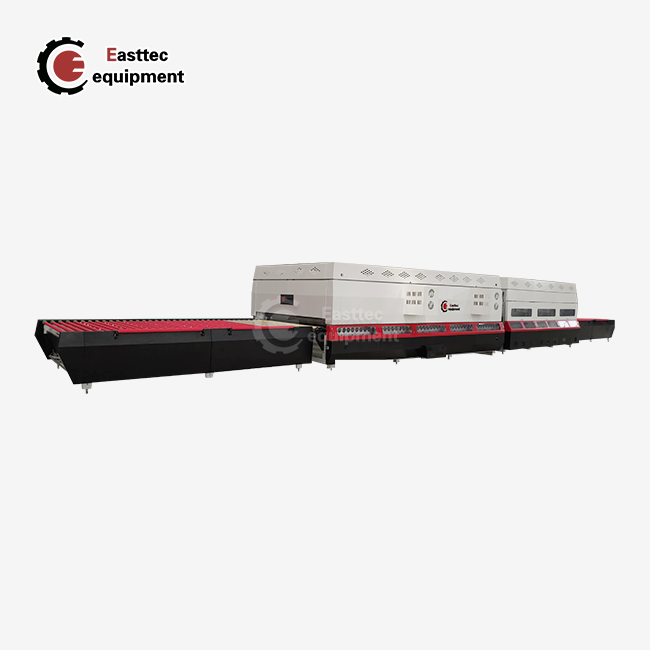 VIEW MOREConvection Flat Glass Tempering Furnace
 VIEW MOREAutomated Continuous Glass Processing Line
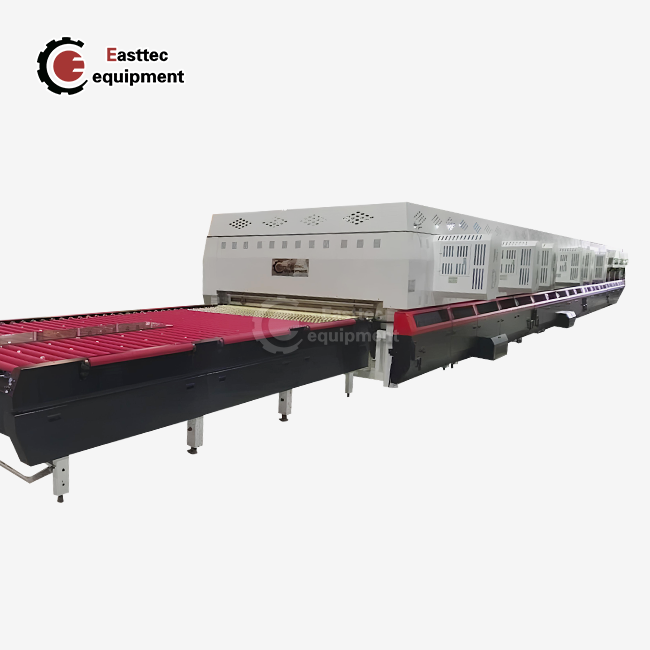 VIEW MOREIndustrial Duty Two-Chamber Glass Furnace
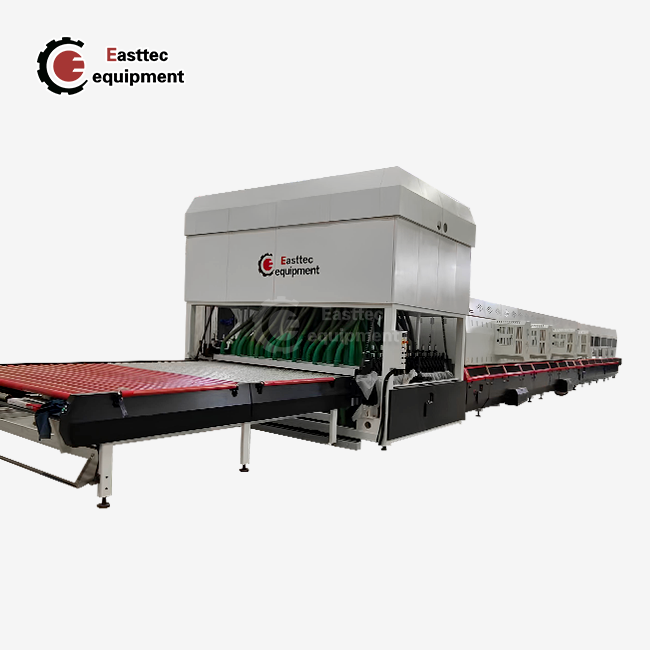 VIEW MOREIntelligent Double Chamber Tempering Line
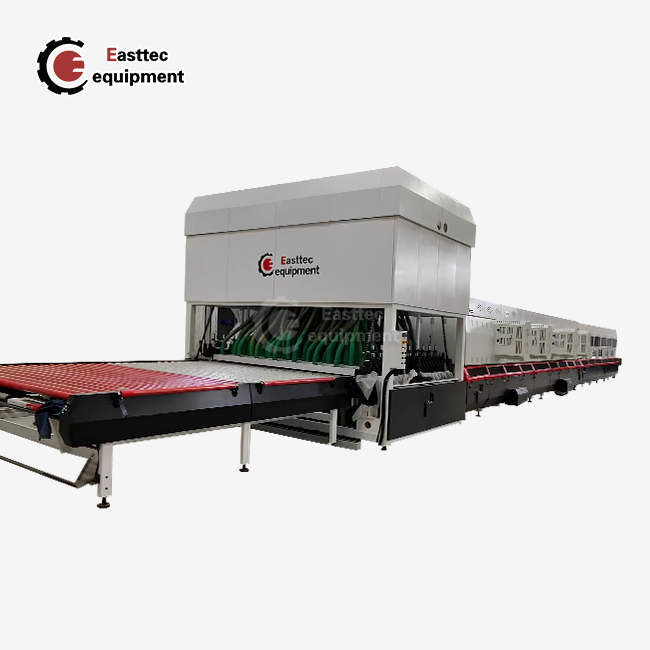 VIEW MOREHigh-Efficiency Dual-Chamber Heating Equipment
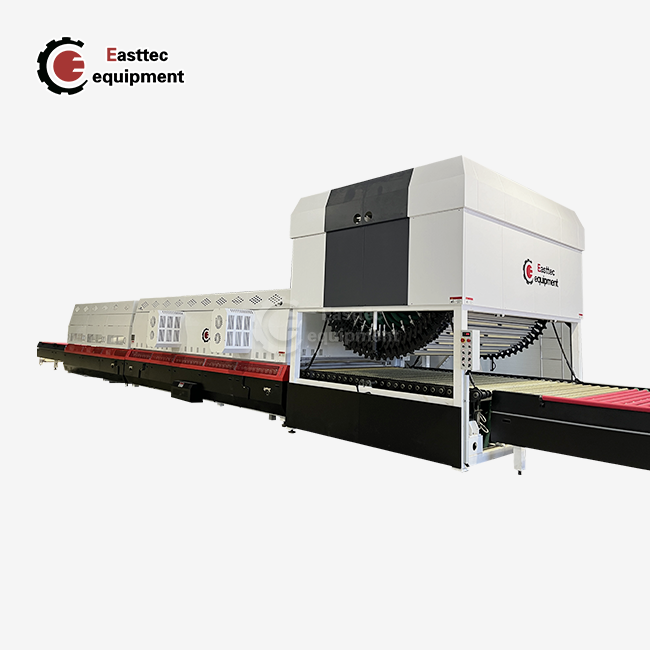 VIEW MORETop Convection Curved Glass Tempering Machine with Hard Roller
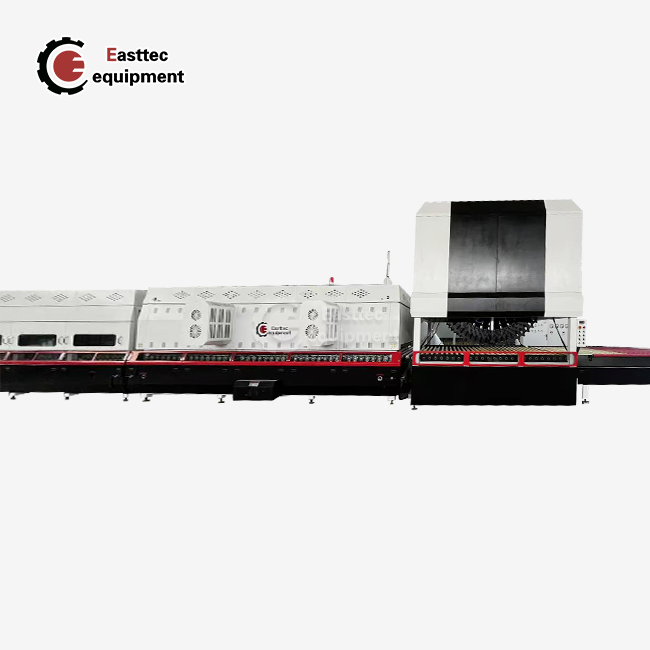 VIEW MOREConvection Hard Roller Glass Bending and Tempering System
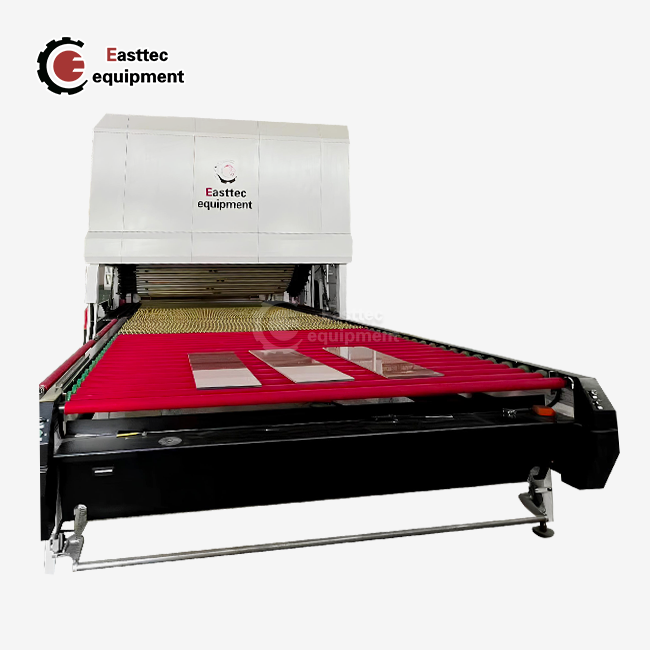 VIEW MORERadiation Hard Roller Glass Bending and Tempering Machine