




A Comprehensive Guide to Glass Tempering Machines
Glass tempering machines have changed the way that safety glass is made in many fields. Through controlled heat processing, these high-tech systems turn regular glass into toughened glass, which is four to five times stronger than glass that has not been handled. The forced convection flat glass tempering machine is one of the most modern technologies on the market. It solves important processing problems, especially when Low-E covered glass is used in energy-efficient building surfaces. This detailed guide talks about the technology, uses, and important things to think about when buying glass heating tools for your business.
Understanding Forced Convection Flat Glass Tempering Technology
How Forced Convection Systems Work
Modern technology for strengthening glass is based on forced convection, which is a big step forward from older heating methods that used radiation. The process starts when the glass goes into a room that heats up to between 620°C and 700°C. Forced convection systems use high-pressure fans and special convection lines to move hot air directly onto both sides of the glass, instead of just relying on natural heat transfer. This direct touch makes sure that the warmth is very even across the whole piece, even if the glass has a layer or different thicknesses that might make it harder for heat to pass through.
Forced convection heating can achieve temperature uniformity of approximately ±2°C to ±5°C across the glass surface under optimized operating conditions, which is significantly better than conventional radiation-based systems. This level of control is particularly important for Low-E glass, where reflective metallic coatings limit infrared absorption but do not hinder convective heat transfer from circulating hot air.
Core Components and Their Functions
Knowing how these systems are put together helps buyers judge their quality and performance potential. Several ceramic rollers are inside the heated room and move the glass through the kiln at controlled speeds all the time. A uniform temperature environment is made around the moving glass by a grid of carefully designed air tubes above and below these rollers. High-temperature centrifugal blowers move the air around, and advanced combustion systems or electric heating elements heat it up to the right temperature.
Programmable logic devices and various temperature monitors spread out across the heating zone are used in modern control systems. The glass specs that are put into the machine's recipe database tell these systems how to change the air pressure, temperature, and speed of the conveyor. After being heated, the glass goes straight into the cooling section, where air from hundreds of tubes quickly cools the surfaces while keeping the inside hot. This creates the compression stress patterns that make tempered glass strong.
Advantages for Specialized Glass Processing
The forced convection method solves a number of long-standing problems in manufacturing that have generally made it harder to make things well and quickly. It is now possible to process triple-silver Low-E glass, which has many reflected metallic layers for maximum thermal shielding, without the usual visual errors and white fog problems that come with radiation heating. When working with polished glass, the technology also cuts heating time by 30–50% compared to standard ways, which has a direct effect on the speed of production.
Manufacturers of glass say that visual flaws like zebra patterns, roller waves, and anisotropy problems cause a lot fewer rejections. The even spread of heat stops the different thermal expansion that causes these flaws in the appearance. This is especially important in design applications where the clarity of the glass directly affects the look of the building.
Comparing Forced Convection Tempering with Traditional Methods
Heat Transfer Efficiency Differences
Infrared radiation from electric heating elements or gas stoves is what most traditional radiation tempering kilns use to transfer heat to glass in a glass tempering machine. This method works well for clear, untreated glass, but it doesn't work as well for current glass goods. Inside the regulating furnace, low-emissivity surfaces that are made to bounce thermal radiation do just that, sending heat away instead of collecting it. Because of this, heating processes have to be longer and heater temperatures have to be higher, which uses more energy and could damage surfaces.
Through convective heat movement, forced convection technology gets around this problem completely. The molecules of hot air touch the surface of the glass, transferring heat through conduction, no matter what the emissivity value of the glass is. This feature makes it possible to work with glass that has an emissivity value as low as 0.01, which would be very hard to heat properly using radiation alone.
Production Speed and Energy Considerations
The cost levels of production are directly related to how efficiently operations are run. Forced convection systems have cycle times that can be measured as being shorter. This is especially clear when handling groups of covered architectural glass. The faster boiling step means that more can be done in the same amount of space, which means that production capacity can be increased without having to build more space.
The ways that different systems use energy are also very different. High-capacity fans in forced convection systems need electricity to work, but the shorter heating time and lower furnace temperatures usually save 15–25% of the energy used by radiation tempering when working with similar types of glass. These savings add up over the course of a year's worth of production, which boosts business margins and helps meet sustainability goals.
Quality and Application Suitability
Another important difference is the quality of the surface. When forced convection is used, glass is made that is more flat and has less visual distortion. Balanced heating stops the small bowing or curving that can happen in radiation tempering, where differences in temperature between the sides and centers of the glass can make the form look off.
Different uses call for different ways of tempering. For curtain wall jobs that need Low-E glass, the ability to use forced convection is especially helpful for making a lot of artistic glass. This technology is also good for automotive uses that need fine visual clarity. But for some specific uses, like beautiful art glass with a textured surface, regular radiation methods may work fine. This means that the technique you choose will depend on the products you sell.
Buying Guide for Forced Convection Flat Glass Tempering Machines
Essential Performance Specifications
When choosing tools, a number of technical factors have a direct effect on the quality of the products and their ability to be manufactured. The highest cycle time for thermal processing is based on the length of the heating room, which must be long enough to fit the normal range of glass thicknesses. Machines that mostly work with thin glass (3-6 mm) need different heating rates than machines that mostly work with thick building glass (10–19 mm), but many systems are flexible across all ranges.
The quenching pressure capacity changes the highest amount of stress that can be put on finished glass and the way that pieces break apart during breaking tests. Safety glass for buildings has to meet strict rules like ASTM C1048, EN 12150-1, and ANSI Z97.1. These rules say how much surface compression stress and fracture density must be at a minimum. Make sure that any tools you're interested in can regularly meet these standards with your glass.
Throughput ability, which is usually given in square meters per hour, should match your production projections while still giving you room to grow. Think about both the rated highest capacity and the practical sustained production rate. The practical sustained production rate takes into account things like loading time, recipe changes for different types of glass, and normal working delays. Underestimating the capacity of tools leads to production delays that directly cut into the potential for making money.
Evaluating Manufacturers and Suppliers
On the global market, you can find forced convection flat glass tempering machine from many different areas, each with its own unique features. European companies usually put a lot of emphasis on precise engineering and advanced robotics, making systems with complex settings and high-quality parts. These machines usually cost more to buy at first, but they may be better at producing consistently and reliably over time.
Chinese makers, including those that make specialised glass tools, have quickly improved their technology skills while keeping their prices low. Companies like Luoyang Easttec Glass Automation Equipment have a wide range of products and engineers who have worked in the field for more than fifteen years. Their products are used in a wide range of foreign markets. They have had good placements in more than sixty countries, showing that their products work well in a variety of settings.
American suppliers often focus on "turnkey integration" and "localised support services." This could make it easier for North American businesses to set up and train employees. When considering choices across areas, you should think about the total cost of ownership, which includes shipping, installation, training, the availability of extra parts, and the ability to get ongoing expert help.
Customization and Integration Considerations
Standard equipment setups work well for many uses, but unique specs may get the best results for your individual production needs. Heating profiles and cooling methods often need to be changed in order to accommodate different glass sizes, thicknesses, and coatings. Manufacturers that offer customisation services can change the way their products work to meet specific needs, but this usually takes longer and costs more.
Think about how the new cooling equipment will work with the production system that is already in place. Cutting tables, edge grinding and cleaning systems, drilling machines, and washing equipment set up before hardening are all part of complete glass production lines. Coordinating how materials are moved between these steps has an effect on how well the production process works as a whole. Some makers offer full production line planning services that help you get the most out of the setup of your equipment and the flow of materials through your building.
The amount of automation is another way that customisation can be done. For starter systems, you might have to load recipes and enter their parameters by hand. More advanced setups have automatic loading systems, card reading for recipe selection, and software interaction with production management software. More technology cuts down on labour needs and mistakes made by people, but it costs more to set up at first.
After-Sales Support and Service Networks
Production uptime and stable income are directly affected by how reliable the equipment is. Even machines that are well-designed need to be maintained, have parts replaced, and sometimes need help fixing. Look at how well a maker can service and help you in your area when deciding which one to buy.
Full guarantee protection keeps your investment safe during the first few months of use. In addition to the length of the guarantee, you should also find out what parts and types of failure are protected, how long the company promises to respond, and whether on-site help is free or costs extra. Options for longer warranties may be a cost-effective way to protect important business tools.
How quickly your team learns how to use the tools and how well they keep it over time are both affected by the quality of their training. Manufacturers should give operators full training that covers how to use the equipment every day, how to do simple upkeep, and how to fix problems. In their technical training, repair workers should learn how to change parts, do calibrations, and figure out what's wrong with common problems.
Conclusion
The technology for setting glass keeps getting better to meet the needs of the building, car, solar, and speciality glass markets. Forced convection flat glass tempering machine tools are high-tech ways to deal with the problems of current production while providing better quality, higher efficiency, and more reliable operation. When choosing the right tools, you need to carefully consider its technical skills, the help it offers from the maker, and how well it fits with your production goals. Building plans call for high-performance glass more and more, and people are buying things with sustainability in mind. Investing in new tempering technology sets producers up for long-term success in global markets that are always changing.
FAQ
How long should the spin time be for different kinds of glass?
Cycle time is greatly affected by the width of the glass, the type of covering, and the amount of stress that needs to be applied. From loading to unloading, clear glass between 4 and 6 mm usually takes 90 to 150 seconds. It takes 180 to 300 seconds for 10-15 mm thick building glass. Because the coating is so sensitive, low-E coated glass usually needs 20–30% more cycles than clear glass of the same size. At the longer end of these ranges is triple-silver Low-E glass, which needs the most careful heating patterns to keep the covering from getting damaged. To get accurate cycle time figures, equipment makers need to be given exact glass specs during review.
Can one machine handle all of my different thicknesses?
Most commercial forced convection systems can handle glass thicknesses between 3 and 19 mm in a single machine setup. But to get the best results across this whole range, you need to be able to control things very precisely. For thinner glass (3–6 mm), you need a higher cooling pressure and faster boiling cycles to get the right stress levels before too much heat is lost. To get the core temperature to be the same all the way through thick glass (12–19 mm), it takes longer to heat. Manufacturers who offer a lot of options usually use variable cooling pressure systems and large recipe files that automatically find the best processing settings based on what operators type in about the glass.
What kinds of licenses should I check before I buy?
Certifications for equipment show that it meets safety and performance standards, which is important for following the rules and being reliable in the workplace. CE marking means that the product meets the safety, health, and environmental protection standards of the European Union. These standards are recognised in many countries around the world. With ISO 9001 approval, you can be sure that the maker keeps up with quality control methods that make sure production standards are always met. Check that treated glass meets the safety standards for the markets you want to reach, such as ASTM C1048 in North America, EN 12150 in Europe, and any other standards that are important in those markets. It is expected that manufacturers will show proof that their machines regularly make glass that meets these requirements.
Partner with Easttec for Advanced Tempering Solutions
To improve your glass making skills, you need a reliable forced convection flat glass tempering machine provider who knows your production goals and operational hurdles. Easttec brings more than fifteen years of specialised engineering experience to every project. They create and build tempering furnaces that always work well and produce reliable quality. Our modern 11,000-square-meter building combines study, precise production, assembly, and quality control to make sure that every system meets the highest standards before it is shipped. We have worked well with customers in more than sixty countries, giving them more than just tools. We've provided full solutions, such as designing production lines, helping with installation, teaching operators, and providing ongoing technical support. Our engineering team works closely with customers to make sure that the specs of the tools are exactly right for your glass types, production numbers, and quality standards. Please email our experts at sales@easttecglass.com to talk about your unique needs and find out how our forced convection tempering technology can help you make better products and run your business more efficiently.
References
Haldimann, M., Luible, A., & Overend, M. (2008). Structural Use of Glass. IABSE-AIPC-IVBH, Zurich, Switzerland.
Gardon, R. (1980). Thermal Tempering of Glass. In: Glass Science and Technology, Volume 5: Elasticity and Strength in Glasses. Academic Press, New York.
Karlsson, S., Jonson, B., & Stålhandske, C. (2010). The Technology of Chemical Glass Strengthening – A Review. Glass Technology: European Journal of Glass Science and Technology Part A, 51(2), 41-54.
Schiavonato, M., & Leonelli, C. (2015). Advanced Processing Technologies for Architectural Glass. Advances in Science and Technology, 92, 131-140.
Nielsen, J. H., Olesen, J. F., Poulsen, P. N., & Stang, H. (2010). Finite Element Implementation of a Glass Tempering Model in Three Dimensions. Computers & Structures, 88(17-18), 993-1003.
ASTM International (2018). ASTM C1048-18: Standard Specification for Heat-Strengthened and Fully Tempered Flat Glass. West Conshohocken, PA.

USER EVALUATE
Here is the customer's evaluation of us
YOU MAY LIKE
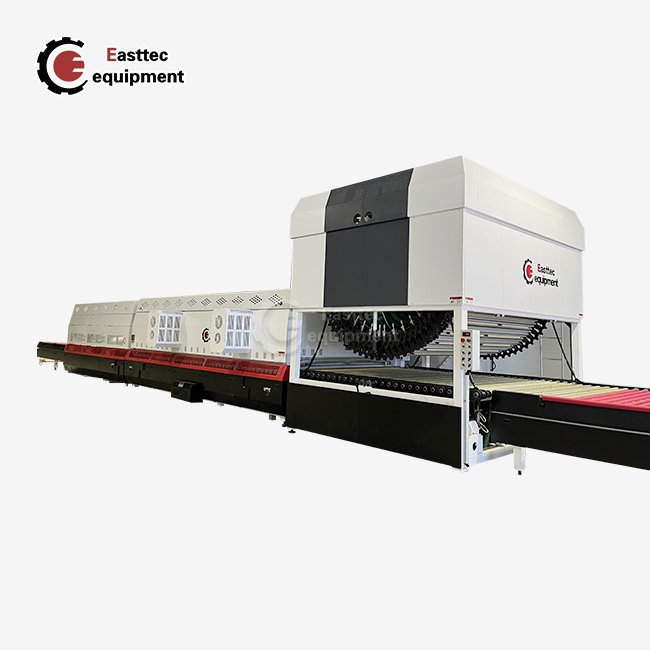 VIEW MOREConvection Hard Roller Flat & Bend Glass Tempering System
 VIEW MORESolar Glass Continuous Tempering Line
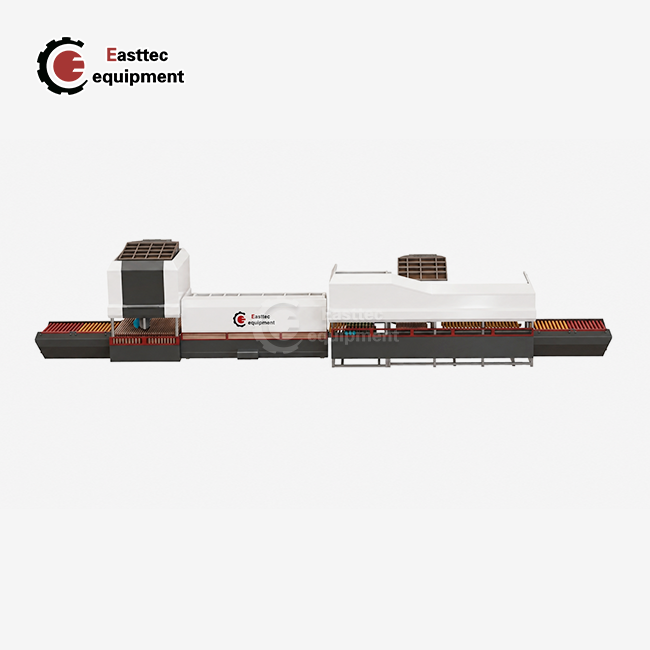 VIEW MOREIntelligent Multi-curvature Processing System
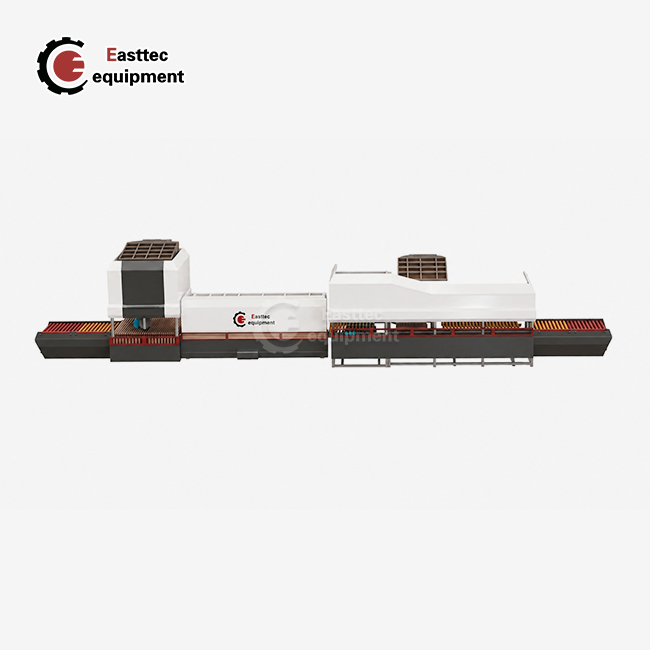 VIEW MORESpherical and Aspherical Glass Tempering System
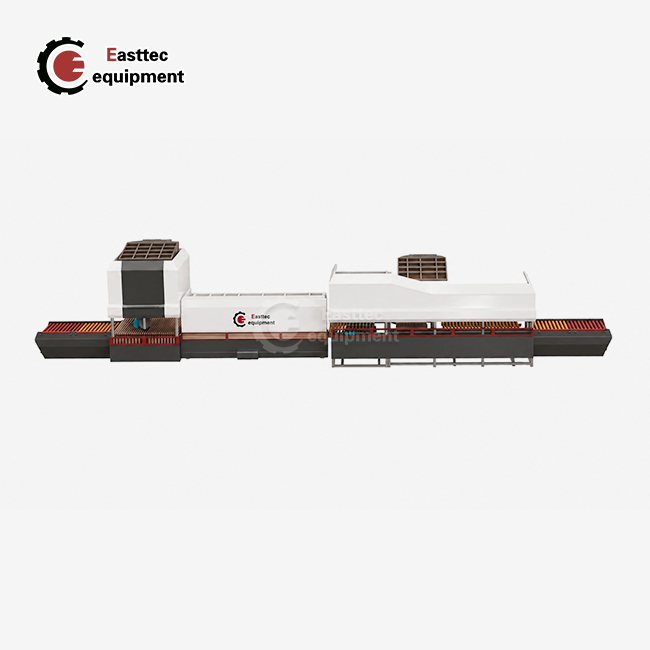 VIEW MOREAutomotive Double-Curved Glass Furnace
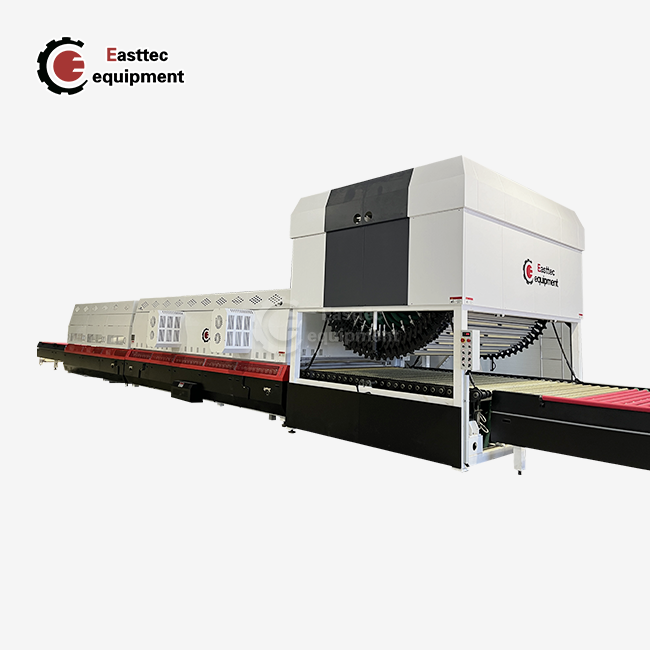 VIEW MORETop Convection Curved Glass Tempering Machine with Hard Roller
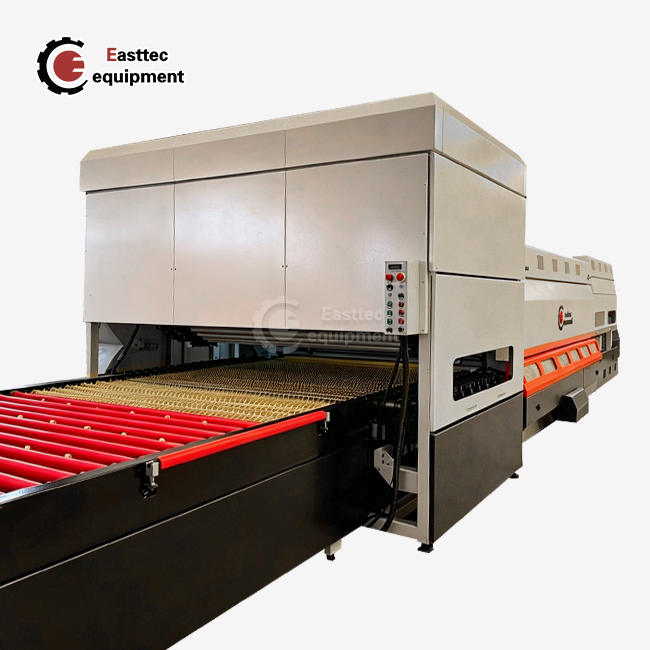 VIEW MORERadiation Energy-Saving Hard Roller Glass Tempering Furnace
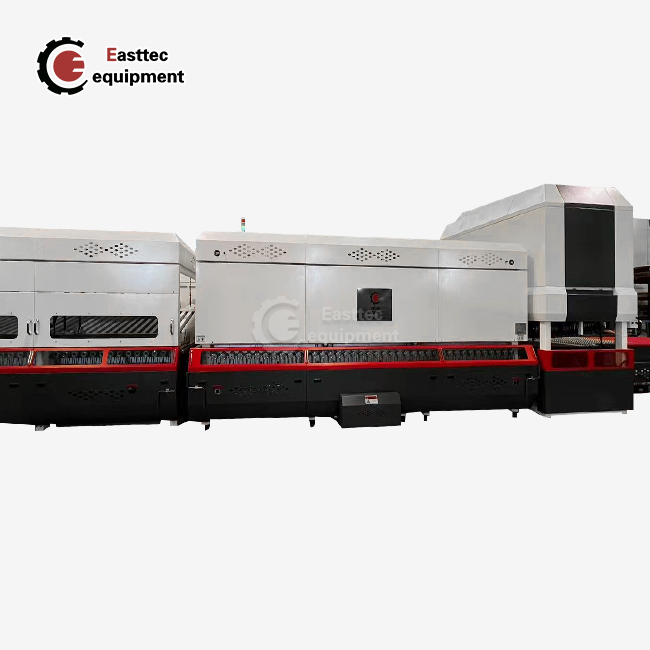 VIEW MORERadiation Flat & Bend Glass Tempering Furnace of Hard Roller