




Comparing Types of Tempering glass Machines for Your Lineup
Choosing the right heating tools for a radiation flat glass tempering machine has a big impact on how much glass you can make and how much money you make in the long run. When looking at tempering systems, you'll come across different technologies, such as convection-based, hybrid, and radiation flat glass tempering tools. Each method has its own unique heat processing features that have an impact on how much energy is used, the quality of the glass, and the freedom of operations. Radiation heating systems use infrared electromagnetic waves from electrical heating elements to evenly heat glass surfaces. This is a very useful way to work with clear, coloured, and etched glass where clarity is important. Knowing these differences in technology helps you match the powers of your tools with your production needs, whether you're working on glass panels for appliances, building surfaces or car parts.
Understanding Radiation Flat Glass Tempering Machines
How Radiation Heating Technology Works
The way that radiation heatingsystems move heat is very different from how forced-air convection types do it. Radiation furnaces use high-intensity electrical heating elements in the upper and lower furnace rooms instead of blowing hot air across glass surfaces. These elements give off infrared light that goes right through glass surfaces and evens out the temperature without using air flow. Usually, the process stays between 680°C and 720°C. Multi-zone PID temperature control systems change how hot the glass is in different areas. This careful control of temperature stops localised spikes and makes sure that stress is spread evenly during the next step, cooling.
Operational Advantages for Industrial Applications
When working with certain types and sizes of glass, the actual benefits of radiation heating become clear. Clear float glass that is between 4mm and 19mm thick is very good at radiant heat transfer. It lets heat through evenly, which is hard for convection systems to do when air pressures are low. We've seen that companies that make furniture glass, like tabletops, shower dividers, and walls, really value the visual clarity that radiation systems keep. Since there aren't any rough air jets, the surface doesn't get warped like it can with convection-heated glass. This keeps the perfect look that's important for interior design uses.
This technology also works great on glass surfaces that are designed or have different textures. During rough heating cycles, convection systems can "smooth" etched patterns. Radiation heating, on the other hand, keeps surface textures while still getting the core temperatures that are needed. Because of this, radiation kilns are perfect for making building glass with designs or layers that help protect privacy.
Energy Efficiency and Cost Implications
Different heating systems use a lot of energy in very different ways. Radiation systems focus heat energy directly on glass surfaces, reducing the amount of heat that escapes to the surroundings. Convection systems, on the other hand, have to heat large amounts of air before they can move that heat to glass surfaces, which is a process that is naturally less efficient. According to figures from our industry, radiation furnaces usually use 15–25% less energy than comparable convection models when working with normal glass sizes. This means that over the equipment's lifetime, operating costs will go down significantly.
Radiation technology is also better when it comes to initial capital expenditures. The simpler mechanical design usually means lower prices. This is because there are fewer parts that handle air, less need for blowers, and easier entry for upkeep. Because radiation systems are lower in CAPEX, they are a great choice for companies that want to get into the toughened glass business or grow but don't have a lot of money to spend.
Comparing Radiation Flat Glass Tempering Machines with Traditional Machines
Temperature Uniformity and Glass Quality Outcomes
In traditional convection tempering, heat is spread across the surface of the glass by air blasts that are carefully regulated, unlike a radiation flat glass tempering machine. While effective, this approach faces inherent limitations. Changes in air pressure, worn-out nozzles, and interruptions in airflow can lead to temperature differences that show up in final glass as optical illusions or stress patterns that aren't right. We have examples of convection systems that caused noticeable "roller wave" patterns—slight surface ripples caused by uneven heating—that needed expensive cleaning.
Many of these factors are taken away by radiation warmth. The electromagnetic wave energy travels evenly, even if the heater is old or parts are worn out. Temperature sensors constantly check the conditions of the glass surface and change the strength of the elements to keep goal temperatures within 3°C of the set point. Because of this stability, tempered glass has better level tolerances—often less than 0.1 mm per 300 mm span—meeting strict design requirements for curtain wall uses.
Radiation processing also makes the quality of the fracture pattern better. According to EN 12150-1, ASTM C1048, and GB 15763.2 guidelines, safety glass that has been properly shaped must break into small, mostly straight pieces when it is hit. The even spread of stress in radiation systems always results in fracture patterns that are within the limits set by the manufacturer. This lowers the number of rejections and improves safety standards in the workplace.
Maintenance Requirements and Operational Continuity
Different technologies have very different maintenance needs. There are a lot of moving parts in convection systems, like blower motors, air movement fans, ducts, and hundreds of nozzles that direct hot air. These parts need to be checked, cleaned, and replaced on a frequent basis. When tubes get clogged, they change the way air flows, which lowers the quality of the glass until repair workers can figure out what's wrong and fix it. We've met glass makers who clean the nozzles once a week and service the fan motors every three months to keep the quality of their output constant.
It is easier to take care of radiation heaters. Heating elements usually last between 18 and 24 months of steady use before they need to be replaced. This is a simple process that repair teams do during planned breaks. Ceramic or fused silica conveyor rollers need to be checked for surface wear on a regular basis, but because they are less stressed mechanically, they tend to last longer than convection rollers. When you don't have complicated air handling systems, you get rid of whole groups of possible failure places. This makes the total efficiency of the tools better.
Real-World Performance Comparisons
A European company that makes building glass recently shared comparison data after switching from convection to radiation tempering for their 6mm clear glass production. They saw an 18% drop in energy costs, a 22% drop in repair hours, and a 12% rise in first-pass quality rates over the course of six months of business. Their rate of rejecting items for visual distortion went down from 3.2% to 0.8%, which directly increased their profit margins on high-value wall jobs. As part of their guarantee, the company that sold them the equipment did performance checks every three months and planned proactive element replacements, which made the system even more reliable.
In a different case, oven door panels are being made by an American company that makes appliance glass. They said that radiation heating made it easier for them to quickly switch between different glass thicknesses, which is something that can go wrong when you have to serve many device brands with different requirements. Changeover time was cut by about 30 minutes per shift because the heating changes were made easier. This added useful production capacity without spending more money on equipment.
Types of Flat Glass Tempering Machines for Your Lineup
Radiation Tempering System Configurations
Knowing the different ways that radiation technology can be set up helps match the tools to the needs of the production. Each setup is designed to handle a specific set of working situations that glass makers often face.
Batch Processing Systems for a glass tempering machine can handle single pieces of glass or small groups of glass. They load and unload while they are fixed. Batch radiation furnaces are best for low to medium production numbers, making speciality glass or tasks that need to change the size and thickness of things often. Because they are flexible, handmade glass makers who work on a wide range of building projects like to use them. When it comes to glass, the heating area can usually fit pieces up to 2400mm x 3600mm and a thickness of 3mm to 19mm, based on the type.
Continuous Radiation Lines: When you make more things, you need to be able to handle them continuously. These systems have rollers that move glass constantly through zones of warmth, soaking, and cooling. Throughput rates depend on the thickness of the glass and the quality standards, but well-set up continuous lines can handle 60 to 100 square meters of 8mm glass per hour. Continuous radiation systems are often used by companies that make automotive glass and building glass in large quantities because they offer steady output and lower processing costs per unit.
Bi-Directional Processing Equipment: Some producers need processing that can be done in two different directions without losing performance. Bi-directional radiation kilns let you add glass from either end, which makes it easier to move materials in places with limited room. This setup cuts down on the time it takes to move things around and the chance that something will break while they are being loaded. This is especially helpful when working with big architectural panels where moving glass by hand becomes harder as the panels get bigger.
Figuring out the best setup is easier when you know your output mix. Batch systems are flexible for operations that handle a wide range of small orders, while continuous lines are worth the investment for operations that make a lot of standard products. We've helped many clients make this choice by looking at their order patterns, building layouts, and growth plans to suggest designs that meet both their present needs and their ability to grow in the future.
Convection and Hybrid Tempering Technologies
Radiation systems have clear benefits in many situations, but other technologies work well for some market groups as well. When working with Low-E treated glass, convection tempering works best because the metallic coats react better to forced-air warmth than to radiation exposure. The movement of air keeps the layer from getting damaged by direct thermal warmth. This keeps the energy-saving features of Low-E glass that make it useful for green building projects.
Both radiation and convection are used in hybrid systems to try to get the best of both methods. Radiation is used to heat the bulk of these complex machines at first, and then carefully controlled airflow is used to even out the temperatures at the end. In theory, this method gives you more working options for a wider range of glass types. However, the extra mechanical complexity raises both the cost of capital and the need for upkeep. We've seen mixed systems work well in places that process a wide range of glass goods, such as clear glass, Low-E products, and speciality finishes all in the same production shift.
Matching Equipment to Production Requirements
Choosing tools is based on more than just the type of technology it uses. Whether batch or continuous setups make economic sense depends on how much production is expected. Continuous radiation lines are usually the most cost-effective option for facilities that want to produce 500 to 800 square meters per day. On the other hand, batch systems, which have lower startup costs and more working freedom, are often the best choice for facilities that produce less than 300 square meters per day.
Things like the glass thickness range are also important. Standard radiation systems work well with glass that is 4 mm to 12 mm thick, which is the width range most commonly used in architecture, furniture, and appliances. When working with bigger glass (15mm to 19mm), facilities need to be able to heat it more efficiently and take longer to handle it, which affects the choice of equipment size.
The environmental goals of your business are becoming more and more important in choosing tools. Radiation systems naturally use less energy, which fits with companies' pledges to sustainability and can help industrial facilities earn LEED certification points. Some places offer tax breaks or faster depreciation plans for industrial equipment that uses less energy. This makes the project more profitable in ways other than just saving money on operations.
Procurement Guide for Radiation Flat Glass Tempering Machines
Sourcing Strategies and Supplier Evaluation
To find reliable glass tempering machine providers, you need to carefully look at a lot of different factors. Manufacturing history is important. Companies that have been specialising in glass tools for decades tend to make better goods than newcomers to the market. We've seen that makers that have been around for a while learn things about heat processing that younger rivals just haven't seen yet. This experience leads to the creation of tools that can predict problems that might arise during use and include answers that stop them from happening.
Global buying options have grown a lot, and production hubs in Asia, Europe, and North America all offer different kinds of value. Chinese companies like Easttec offer appealing mixtures of cutting edge technology, low costs, and a lot of experience exporting. Their factories have accepted hundreds of customers from other countries, which shows that they are open and confident in their production skills. European makers usually put a lot of emphasis on how sophisticated their engineering is. Their products may have benefits for very specific uses, but they usually come at a higher cost. Some buyers like that North American sources are close by, which can make transportation easier, cut down on wait times, and make plant trips easier. However, the costs may be higher.
When analysing providers, don't just believe general claims about their abilities; instead, ask for particular technical specs. Objective comparisons are possible with measures of heating consistency, temperature control accuracy, and energy usage. Ask providers for customer references from people in your business, and then get in touch with those references to talk about how well the product or service worked in real life. Factory trips, whether they are real or virtual, show standards for production, ways of checking for quality, and technical skills that affect how reliable tools will be in the long run.
Pricing Considerations and Budget Planning
The price of equipment depends on a lot of factors besides the general specs of the machine. The total cost of a project depends on how much it can produce, how advanced the technology is, what software is included, and how much installation service is needed. Radiation heating systems can be very expensive for fully automatic continuous lines with advanced quality tracking systems, or they can be very cheap for simple batch configurations.
When you ask for quotes, make sure that the specs clearly state your production needs, including the ranges of glass sizes, the maximum thicknesses that can be used, the goal flow rates, and any special processing needs. When you ask vague questions, you get vague answers that make it harder to make real comparisons. When you give providers detailed specs, they can suggest equipment that is the right size for your needs instead of over-engineering (and over-pricing) solutions that don't work.
Figuring out the total cost of ownership is more than just figuring out the buying price. When you look at the economy, you should think about how much energy something uses, because efficient equipment pays for itself over time by lowering power costs. Long-term profits are affected by maintenance cost estimates, which include new parts, service labour, and consumable supplies. Some technology that seems to be cheaper has higher running costs that wipe out any savings made in the first 18 to 24 months. By asking providers for detailed estimates of running costs and then checking those figures with current customers, you can make realistic financial models that help you make smart investment decisions.
Installation, Training, and After-Sales Support
Professional installation services make sure that the equipment works at its best from the start of production. If you are buying commissioning equipment for the first time, we highly advise that you let the seller do the work instead of trying to do it yourself. Experienced installation teams make sure that heating systems are properly calibrated, that conveyor speeds are optimised, that control settings are set up correctly, and that the safety system works. These are all technical steps that have a big effect on how well the system works in the future. Installation costs are a small part of the total cost of the equipment, but they make setup much easier and lower the risk of guarantee problems.
Proper construction is paired with thorough user training. Effective programs mix theory lessons about the equipment in the classroom with hands-on production training overseen by skilled techs. As an operator, you should know how to heat something, how to control the temperature, how to evaluate quality, how to do regular upkeep, and how to fix common problems. The quality of training has been shown to directly affect how well operations run. Teams that are well-trained reach their production goals faster, keep quality standards higher, and spot problems before they become big problems.
Long-term operating success is affected by after-sales assistance just as much as the quality of the tools when it was first bought. Before you buy, make sure you understand the support terms, including reaction times, available contact methods, the ability to do online diagnostics, and any ongoing support fees after the guarantee period. Some manufacturers offer service contracts that include regular preventative maintenance, faster access to parts, and promised reaction times. These contracts give makers more practical stability, which is useful for planning production.
Conclusion
To pick the right cooling technology for a radiation flat glass tempering machine, you have to weigh the scientific possibilities against the facts of operation and the cost. When it comes to clear, coloured, and patterned glass, where optical quality, energy economy, and ease of upkeep are most important, radiation flat glass tempering systems offer clear benefits. Because they have worked well in the building, furniture, and appliance glass markets in the past, they are a good choice for these uses. But different technologies may be needed for specific tasks, like Low-E coats, very thin layers, or special processing needs. The key is to fully understand your production needs, carefully assess the skills of your suppliers, and choose equipment that fits both your current needs and your plans for future growth. Taking the time to choose the right tools pays off over many years of effective, profitable use.
FAQ
Which kinds of glass work best with radiation tempering?
Radiation heating works best with clear float glass, coloured glass, and glass that has a design or texture on it. The technology works well on normal building and furniture glass that is between 4 mm and 12 mm thick, giving the glass better visual clarity and surface quality. Low-E covered glass reacts better to convection heating methods, which keep metal coats from getting damaged by radiation.
How does the amount of energy used relate to regular convection systems?
When working with normal glass layers, radiation tempering usually uses 15 to 25 percent less energy than similar convection methods. This efficiency gain comes from cooking large amounts of air directly instead of transferring heat into glass surfaces. Less energy use lowers running costs and helps companies reach their environmental goals.
What kind of guarantee and customer service can I expect?
Reputable makers offer 18–24 month guarantees that cover all parts and labour for problems caused by poor making. Good providers provide expert help 24 hours a day, seven days a week, with the option of online diagnosis, fast delivery of extra parts, and service plans for ongoing upkeep. Before making a purchase commitment, make sure you understand the guarantee terms and that help is available while you are evaluating the seller.
Partner with Easttec for Advanced Glass Tempering Solutions
Easttec has been making radiation flat glass tempering machines for more than 18 years and has helped glass producers in more than 60 countries around the world. Our engineering team creates methods that are perfect for your production needs, whether you're working with building glass, auto parts, or gadget panels. Before being sent out, every furnace goes through strict performance tests in our 11,000-square-meter building. This makes sure that it meets all of our exacting standards from the start. As a top manufacturer of radiation flat glass tempering machines, we offer full package solutions that include professional installation, thorough operator training, and quick technical support to keep your production going smoothly. Email our sales team at sales@easttecglass.com for full technical details, connections to past customers, and cheap quotes that are made to fit your exact glass working needs.
References
Glass Magazine, "Advances in Thermal Processing Technology for Architectural Glass," International Glass Review Annual, 2023.
American Society for Testing and Materials, "ASTM C1048-18: Standard Specification for Heat-Treated Flat Glass," ASTM International Standards, 2018.
European Committee for Standardization, "EN 12150-1:2015 Glass in Building - Thermally Toughened Soda Lime Silicate Safety Glass," CEN Technical Standards, 2015.
National Glass Association, "Tempering Equipment Selection Guidelines for Commercial Glass Processors," NGA Technical Manual Series, 2022.
Journal of Industrial Glass Processing, "Comparative Energy Analysis of Radiation versus Convection Tempering Systems," Volume 47, Issue 3, 2023.
International Glass Manufacturing Association, "Global Market Analysis: Flat Glass Tempering Equipment Trends and Technologies," IGMA Industry Report, 2024.

USER EVALUATE
Here is the customer's evaluation of us
YOU MAY LIKE
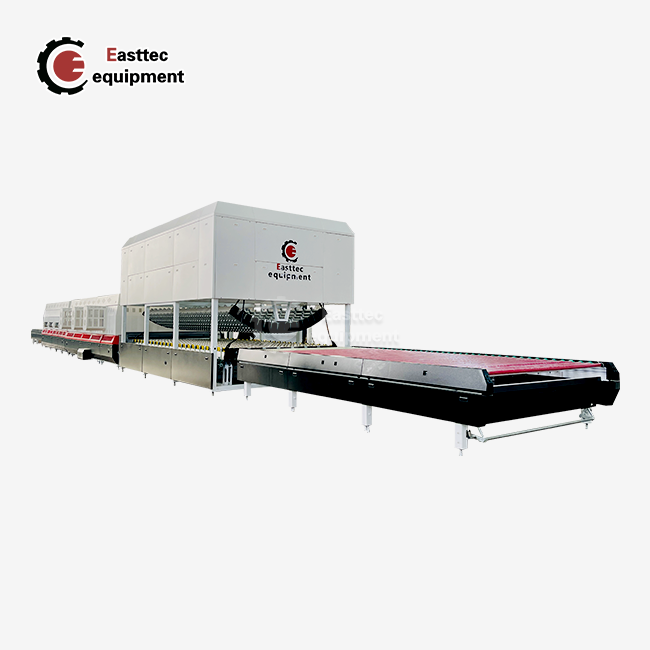 VIEW MORETop Convection Curved Glass Tempering Machine with Flexible Roller
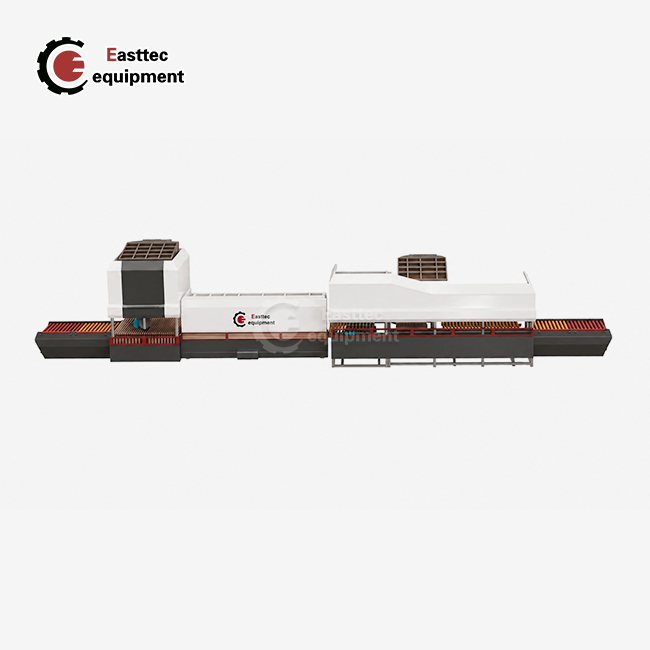 VIEW MOREAutomotive Double-Curved Glass Furnace
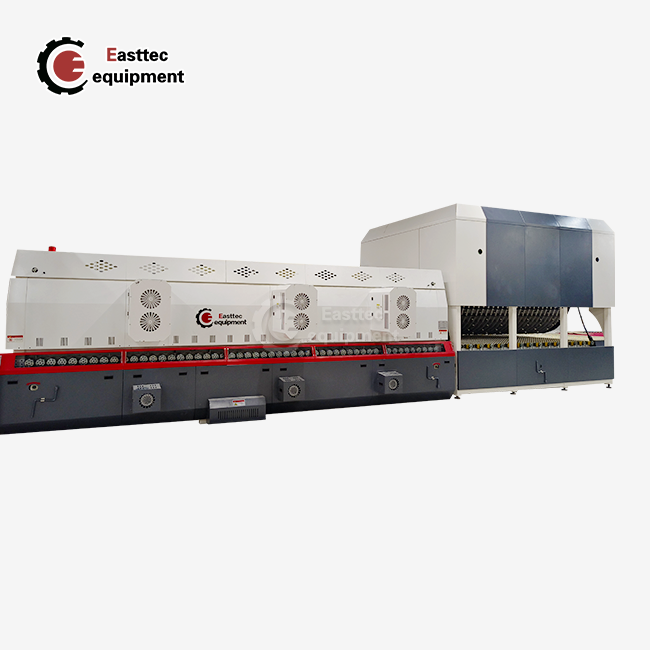 VIEW MOREForced Convection Curved Glass Toughening Machine with Flexible Roller
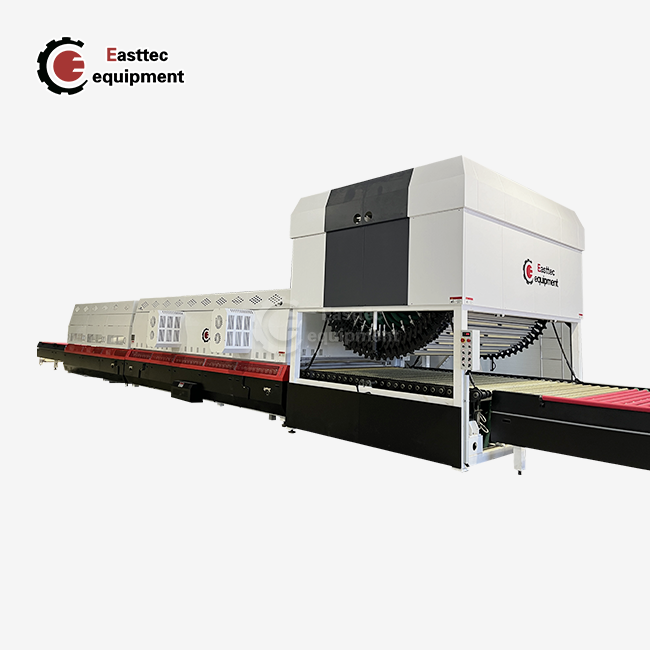 VIEW MORETop Convection Curved Glass Tempering Machine with Hard Roller
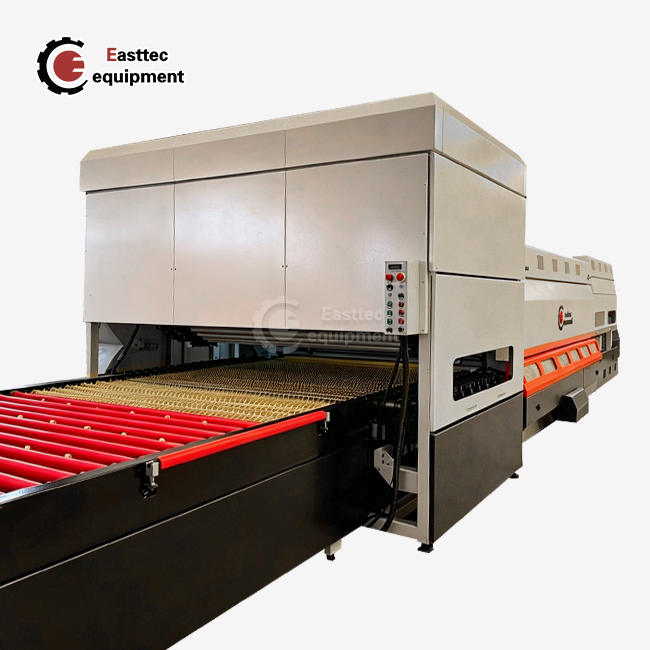 VIEW MORERadiation Energy-Saving Hard Roller Glass Tempering Furnace
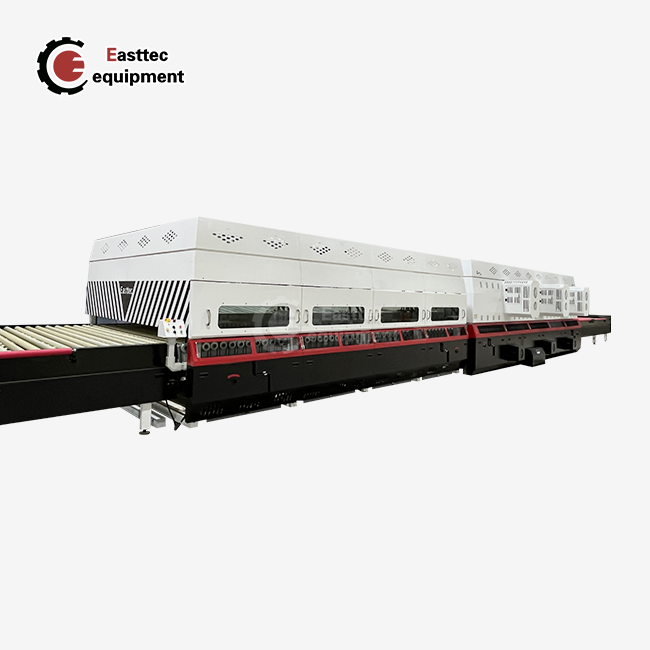 VIEW MOREForced Convection Flat Glass Tempering Furnace
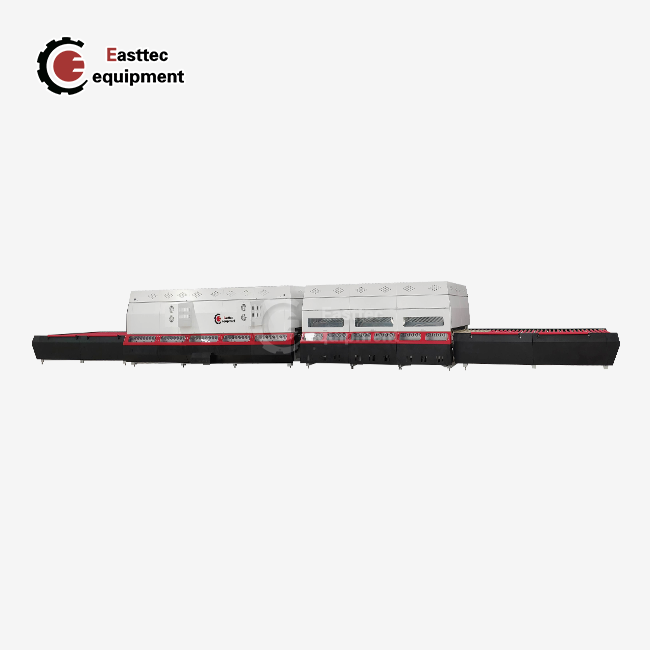 VIEW MOREConvection Flat Glass Toughening Equipment
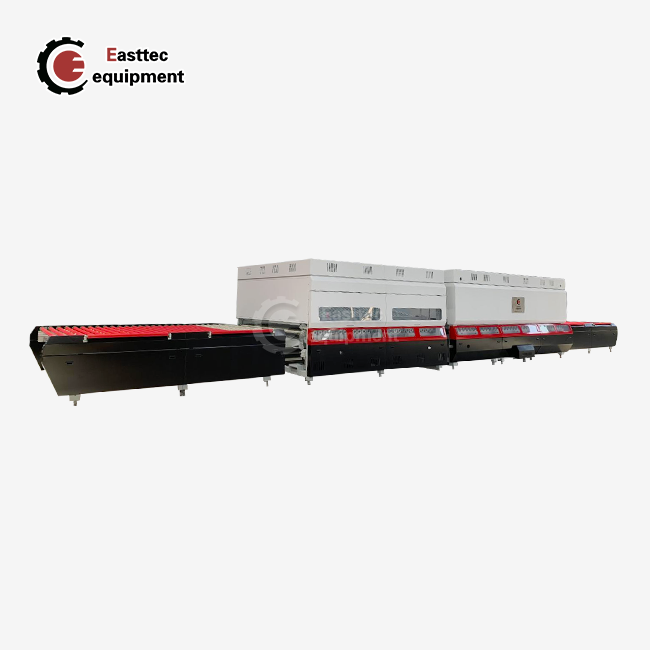 VIEW MORERadiation Flat Glass Toughening Line